
Serbian Wikipedia
Serbian-language edition of Wikipedia, started in 2003; notable for supporting both Cyrillic and Latin scripts and serving as a major online reference for Serbian speakers.
The Serbian Wikipedia is the Serbian-language edition of the free online encyclopedia and a member project of the Wikimedia family. It was launched on February 16, 2003 and, according to available records, grew to more than 325,000 articles, ranking among the larger language editions by article count. As an encyclopedia it aims to provide neutral, verifiable, and freely licensed articles in the Serbian language.
Image gallery
2 Images
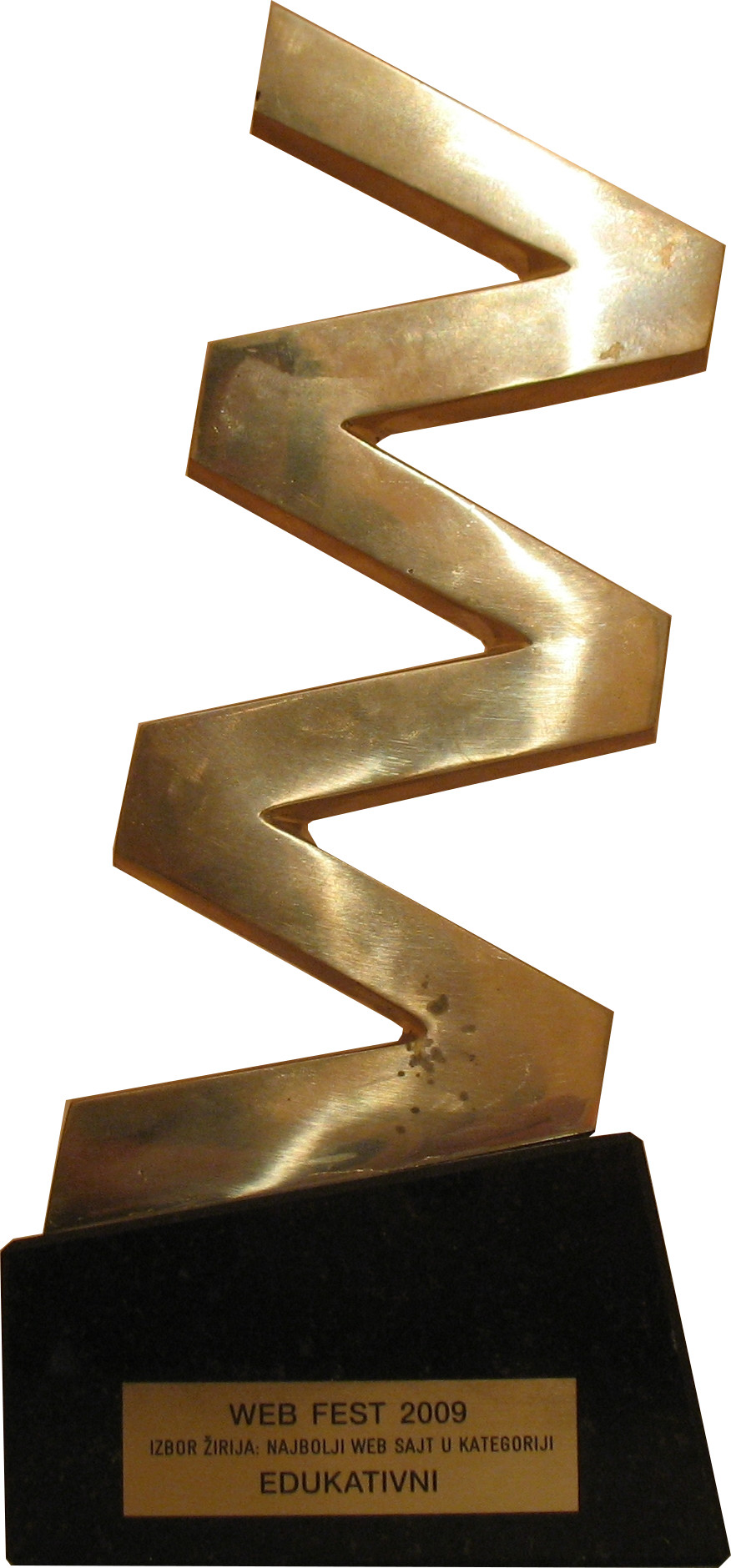
Language, script and technical features
Serbian is written in two alphabets: Cyrillic (ћирилица) and Latin (latinica). The Serbian Wikipedia supports both scripts and offers automatic transliteration tools that enable readers and editors to switch between scripts for the same article. Standard Serbian also includes regional pronunciation variants; editorial practice addresses these through local norms, redirects and style guidance.
History and community
Founded in 2003, the project developed through the contributions of volunteers from Serbia and the broader diaspora. Like other Wikimedia projects, it relies on an active community of editors, administrators and automated bots to create, expand and maintain content. Local policies adapt global Wikimedia guidelines to Serbian-language practice and cultural context.
Content, uses and importance
Serbian Wikipedia is widely used as an accessible reference for topics in history, culture, geography and science relevant to Serbian speakers. It serves students, educators, journalists and the general public, and is often used as a starting point for research or for quick factual checks. Efforts by the community include article quality assessments, featured content selection and outreach to encourage participation.
Distinctive aspects and related projects
- Script duality: The ability to present content in both Cyrillic and Latin alphabets is a central technical and cultural feature.
- Regional context: Separate Wikimedia editions exist for closely related languages in the region (for example Croatian or Bosnian), reflecting linguistic and editorial distinctions.
- Wikimedia affiliation: The project is part of the global Wikimedia movement and follows its mission of free knowledge (Wikimedia), while linking to the main encyclopedia project (Wikipedia).
As with all volunteer-driven encyclopedias, strengths include breadth of coverage and rapid growth, while challenges include ensuring consistent sourcing, handling vandalism, and maintaining balanced representation of regional viewpoints. Ongoing community efforts focus on improving article reliability and expanding underrepresented topics.
Related articles
Author
AlegsaOnline.com Serbian Wikipedia Leandro Alegsa
URL: https://en.alegsaonline.com/art/88982
Sources
- meta.wikimedia.org : Wikimedia list of Wikipedias and their statistics.