
Seán Garland (1934–2018)
Irish political activist and long-serving official of the Workers' Party, General-Secretary 1977–1990 and President from 2000, noted for his role in shaping the party through late 20th-century Irish politics.
Seán Garland was an Irish political figure associated for many decades with the organisation known today as the Workers' Party. He was born on 7 March 1934 in Dublin and became prominent within the party structures from the 1960s onwards. Garland is remembered for his organisational role and for representing his party in national discussions about Ireland's place in Europe.
Image gallery
2 Images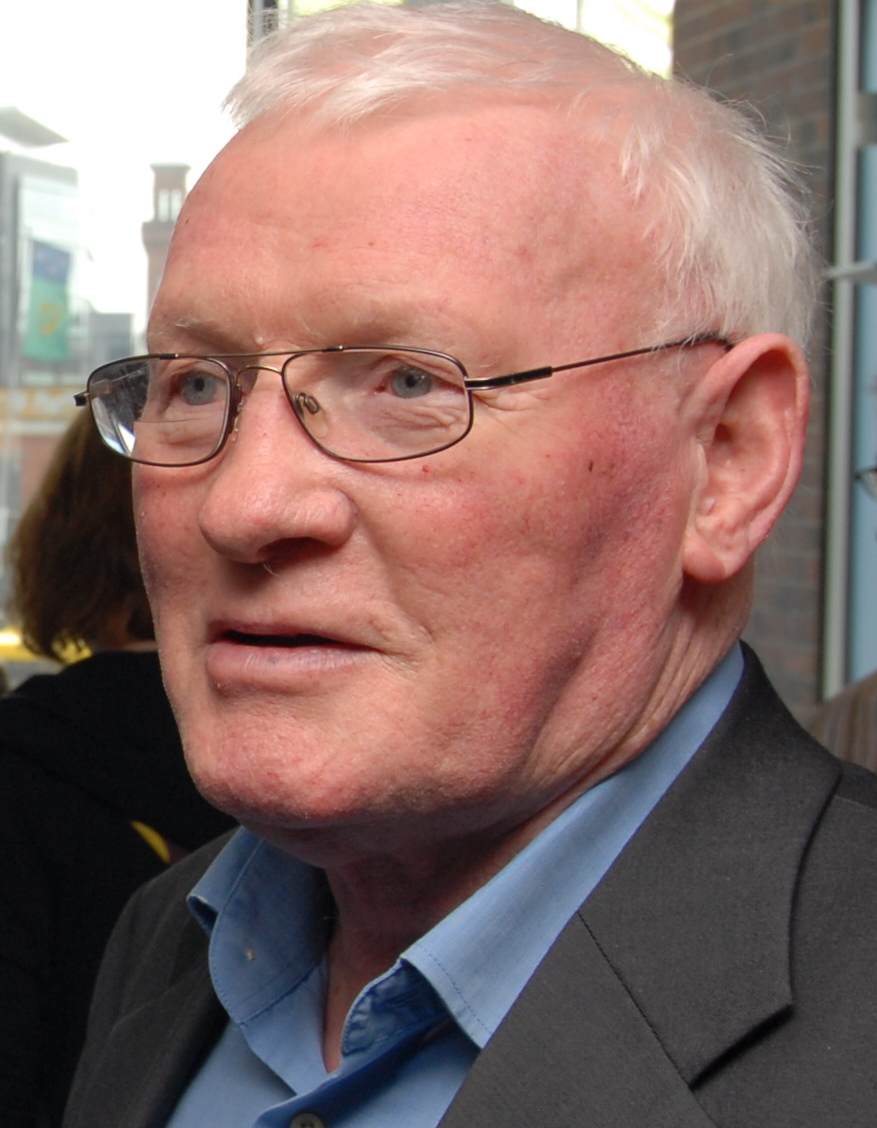

Political career and roles
Garland served as General-Secretary of the Workers' Party from 1977 until 1990, a period during which the party consolidated its identity after the split that produced different strands of republican and socialist politics in Ireland. He later returned to a senior symbolic role and was elected President of the Workers' Party in 2000. He also acted as the party's representative at the National Forum on Europe, taking part in debates about Ireland's relationship with European institutions.
Positions and activities
- General-Secretary, Workers' Party (1977–1990)
- President, Workers' Party (from 2000)
- Representative at the National Forum on Europe
Under Garland's organisational leadership the party sought to promote a mix of republican and left-wing policies, engaging in electoral politics, trade union contacts and community activism. The Workers' Party during these decades presented itself as distinct from both mainstream parties and more militant republican groups, emphasising socialist policies and parliamentary engagement.
Later years and legacy
In later life Garland remained a figure of interest in Irish public life. His long association with the Workers' Party and his management roles shaped how the party adapted after the major realignments of the late 20th century, including the departure of members who formed other left groups. He was also the focus of media attention for legal and political disputes in his later years; such matters attracted international reporting and were contested in public debate.
Seán Garland died on 13 December 2018 in Dublin at the age of 84. He is remembered within Irish political history as a committed party organiser whose career reflected the tensions and transformations of left-wing republican politics in the Republic of Ireland during the latter half of the 20th century.
Related articles
Author
AlegsaOnline.com Seán Garland (1934–2018) Leandro Alegsa
URL: https://en.alegsaonline.com/art/88331