
Screamo (music genre)
An intense, expressive offshoot of emo and hardcore punk from the mid-1990s, characterized by screamed vocals, dynamic contrasts, dissonant guitars and an often passionate underground scene.
Overview
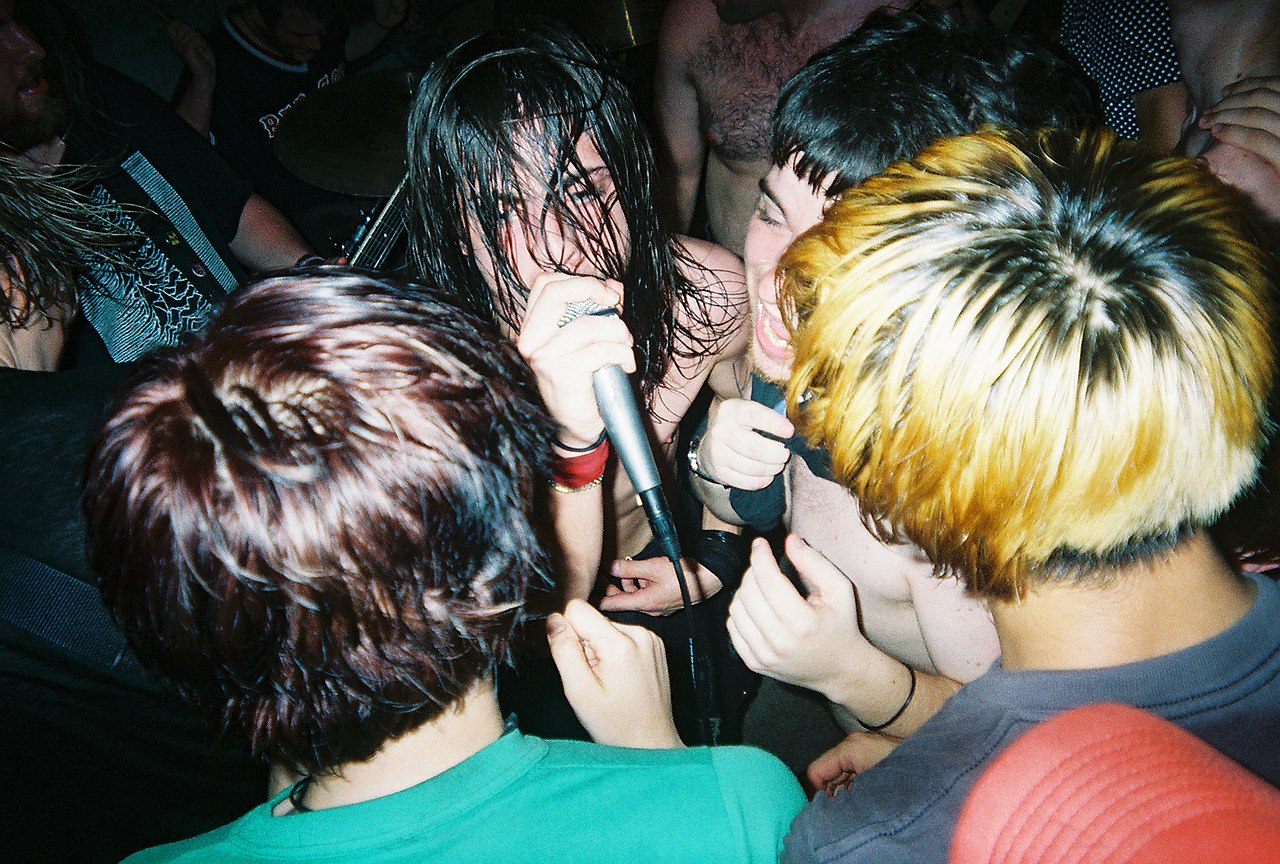
Screamo is an aggressive, emotionally driven style of rock that emerged in the mid-1990s as an offshoot of both emo and hardcore punk. It is defined less by commercial conventions and more by a set of aesthetic choices: a focus on cathartic intensity, rapid changes between quiet and chaotic passages, and vocal delivery that frequently uses high-pitched screams or strained shouts alongside moments of cleaner singing.
Image gallery
5 Images



Characteristics
The music typically pairs guitar work that favors tension — dissonant chords, heavy use of reverb, and textural effects — with bass and drums that can shift from steady rhythms to complex, driving patterns. Bands often experiment with irregular or varied time signatures to heighten urgency. Lyrical themes range from personal, poetic introspection to social and political commentary; the writing style tends to be earnest and direct rather than ironic.
- Vocals: screamed, shrieked, or raged, sometimes interleaved with melodic parts.
- Dynamics: abrupt contrasts between mellow and chaotic sections.
- Instrumentation: guitar-driven, frequently dissonant; bass and drums provide both groove and controlled chaos.
History and scene
Screamo developed within underground punk and DIY communities. Early bands adapted the confessional and melodic impulses of emo and fused them with the speed and intensity of hardcore, creating short, volatile songs as well as longer, exploratory tracks. The style spread through independent labels, zines, tape trading and grassroots touring rather than mainstream radio. Over time, local scenes in North America, Europe and Asia produced distinct takes on the sound, some leaning toward melodic post-hardcore, others toward extreme dissonance.
Notable bands and legacy
Groups commonly cited as influential include Saetia, Orchid, Circle Takes the Square, Envy, pageninetynine and Thursday. These bands helped define the template and also showed how flexible the approach could be: some acts emphasized atmosphere and melody while others pursued harsher, almost chaotic textures. Screamo contributed to later developments in post-hardcore, emo, and experimental punk, and its DIY ethos continues to shape independent music communities.
Distinctions and debates
The label "screamo" has been debated by musicians and fans: some embrace it as a useful descriptor, while others reject it as reductive or as a catch-all applied to many different bands. Related terms and substyles — including emoviolence (a more extreme hybrid with powerviolence) and melodic screamo — reflect the genre's variety. For a concise introductory resource, see further reading, and for background on the parent styles consult emo and hardcore punk.
Related articles
Author
AlegsaOnline.com Screamo (music genre) Leandro Alegsa
URL: https://en.alegsaonline.com/art/88201
Sources
- buzzle.com : "Best Screamo Bands"