
Scranton, North Dakota
Scranton is a small city in southwestern North Dakota. A rural service center for surrounding ranches and farms, it has roots in the railroad and agricultural development of the northern Great Plains.
Scranton is a small city in southwestern North Dakota, in the United States. It serves as a local hub for a sparsely populated agricultural region and exemplifies many characteristics of small Plains communities: a compact downtown, a mix of family farms and ranches nearby, and a year‑round rhythm tied to the land and seasonal weather.
Image gallery
1 Image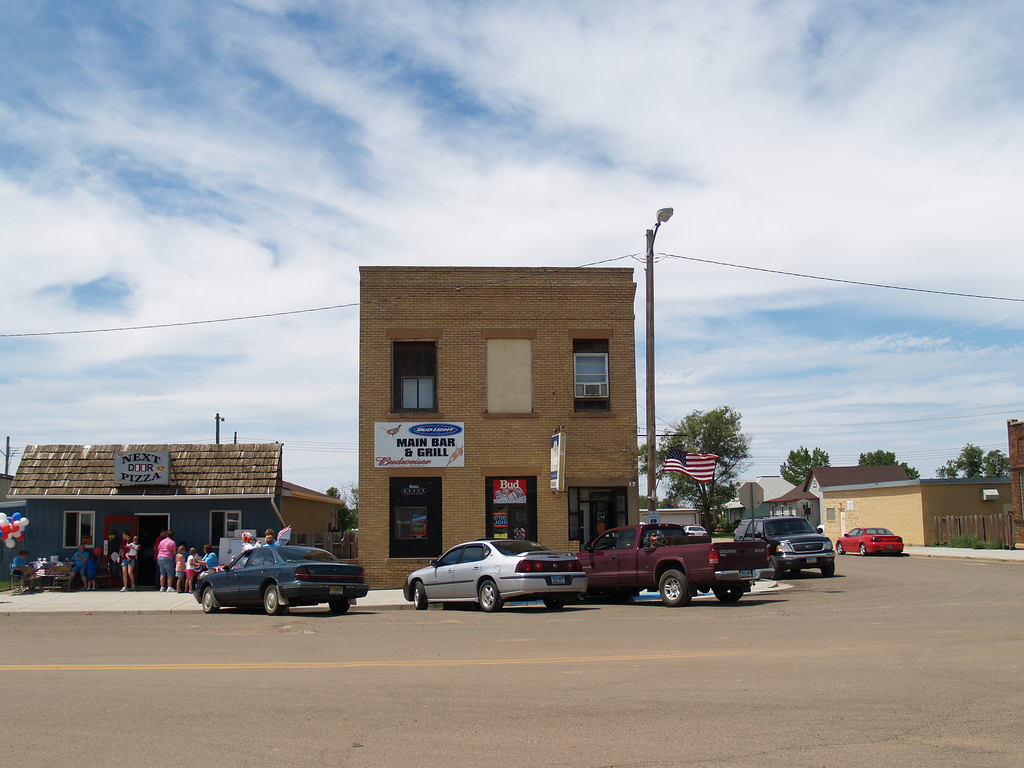
Geography and climate
Scranton lies on the high, rolling plains of western North Dakota. The surrounding landscape is primarily grassland and cultivated fields, with wide horizons and relatively low tree cover. The climate is continental: cold, often snowy winters and warm summers with large daily temperature ranges. The town is within driving distance of scenic badlands, prairie preserves and national park units that protect the region's grassland and wildlife.
History
Like many towns in the northern Plains, Scranton developed during the era of westward settlement and railroad expansion. Early settlers established farms and ranches and built basic services to support rural life. The community name likely reflects the pattern of naming towns after eastern cities and places familiar to settlers and railroad contractors. Over time the town adapted as transportation and agricultural practices changed, maintaining its role as a local center for goods and services.
Economy and community life
The local economy is dominated by agriculture and ranching, supported by businesses that provide supplies, equipment repair, grocery and postal services. Community institutions such as churches, volunteer organizations and municipal services play a central role in social life. Education and health needs are generally met by nearby regional schools and clinics, with residents often traveling to larger towns for specialized services.
Recreation and notable features
Outdoor recreation—hunting, fishing, birding, hiking and scenic drives—is popular because of the open landscape and proximity to public lands. Local events and high‑school sports are important community gatherings in Scranton. Visitors looking for a sense of rural North Dakota life will find small‑town architecture, historic buildings, and a pace shaped by agriculture.
Practical information
- Small municipal government provides basic services and infrastructure.
- Regional roadways connect residents to nearby towns and county centers.
- Community resources often overlap with county and regional providers for education, health care and emergency services.
For more local details, community history and current services see municipal or county resources for United States towns and rural communities.
Related articles
Author
AlegsaOnline.com Scranton, North Dakota Leandro Alegsa
URL: https://en.alegsaonline.com/art/88179