
Saumos — commune in Gironde, Nouvelle-Aquitaine, France
Saumos is a small French commune in the Gironde department, historically part of Aquitaine. This article summarizes its location, governance, history, economy and local attractions.
Saumos is a French commune located in the Gironde department of southwestern France. Historically associated with the province of Aquitaine, the area now falls within the larger administrative region commonly referred to as Nouvelle-Aquitaine. The commune forms one of many small municipalities that make up rural and semi-rural life in the Gironde department.
Image gallery
1 Image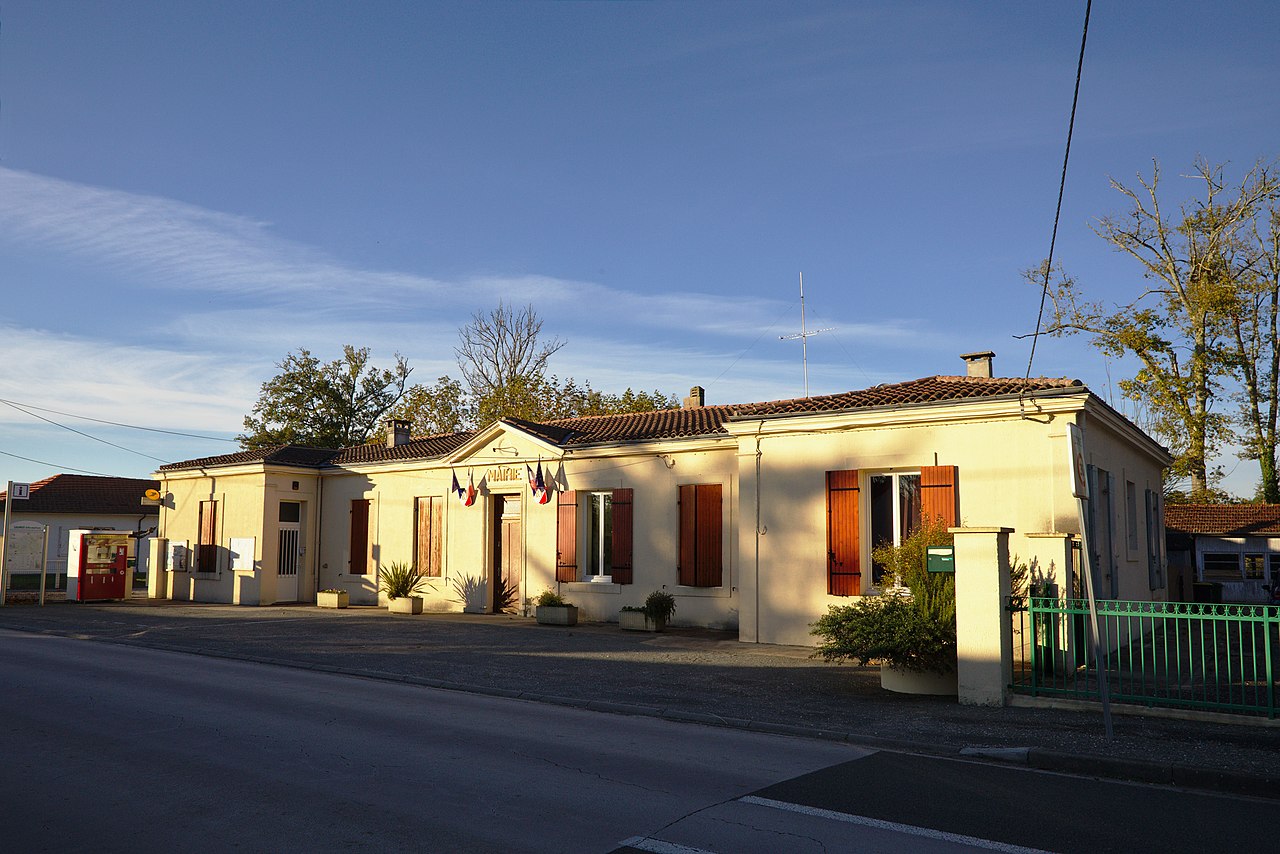
Geography and setting
Saumos lies in a landscape shaped by Atlantic influences, with mixed woodland, farmland and nearby watercourses typical of the region. The locality benefits from the temperate climate and the varied natural environment of southwest France, which supports outdoor activities and scenic countryside. Its position within Gironde connects it to larger urban centers while retaining a village-scale character.
Administration and community
As a commune Saumos is governed by a municipal council and a mayor, the standard structure for local administration in France. Communes perform civil and local services such as education, planning and local roads. Residents participate in communal life through associations, municipal events and intercommunal cooperation with neighboring communes within the department.
History and cultural life
Like many settlements in this part of France, Saumos has roots in rural and agricultural development across centuries. Its heritage is reflected in local architecture, parish traditions and seasonal festivals. The cultural life of the commune blends local customs with influences from the wider historical province of Aquitaine and the contemporary region.
Economy and attractions
- Economy: predominantly local services, agriculture and small businesses, typical of Gironde's countryside.
- Recreation: walking, cycling and enjoying nearby natural areas; local events provide insight into village life.
- Visiting: Saumos can serve as a base for exploring the Gironde landscape, regional wineries and Atlantic coast attractions.
Saumos illustrates the role of the French commune as both an administrative unit and a focal point for local identity. Its connections to the historical Aquitaine region and the wider Gironde department make it representative of southwestern France's rural communities.
Related articles
Author
AlegsaOnline.com Saumos — commune in Gironde, Nouvelle-Aquitaine, France Leandro Alegsa
URL: https://en.alegsaonline.com/art/87564