
Saratoga Trunk (1945 film)
A 1945 American romantic drama directed by Sam Wood, adapted from Edna Ferber's novel and starring Ingrid Bergman and Gary Cooper; noted for Flora Robson's Academy Award nomination.
Overview
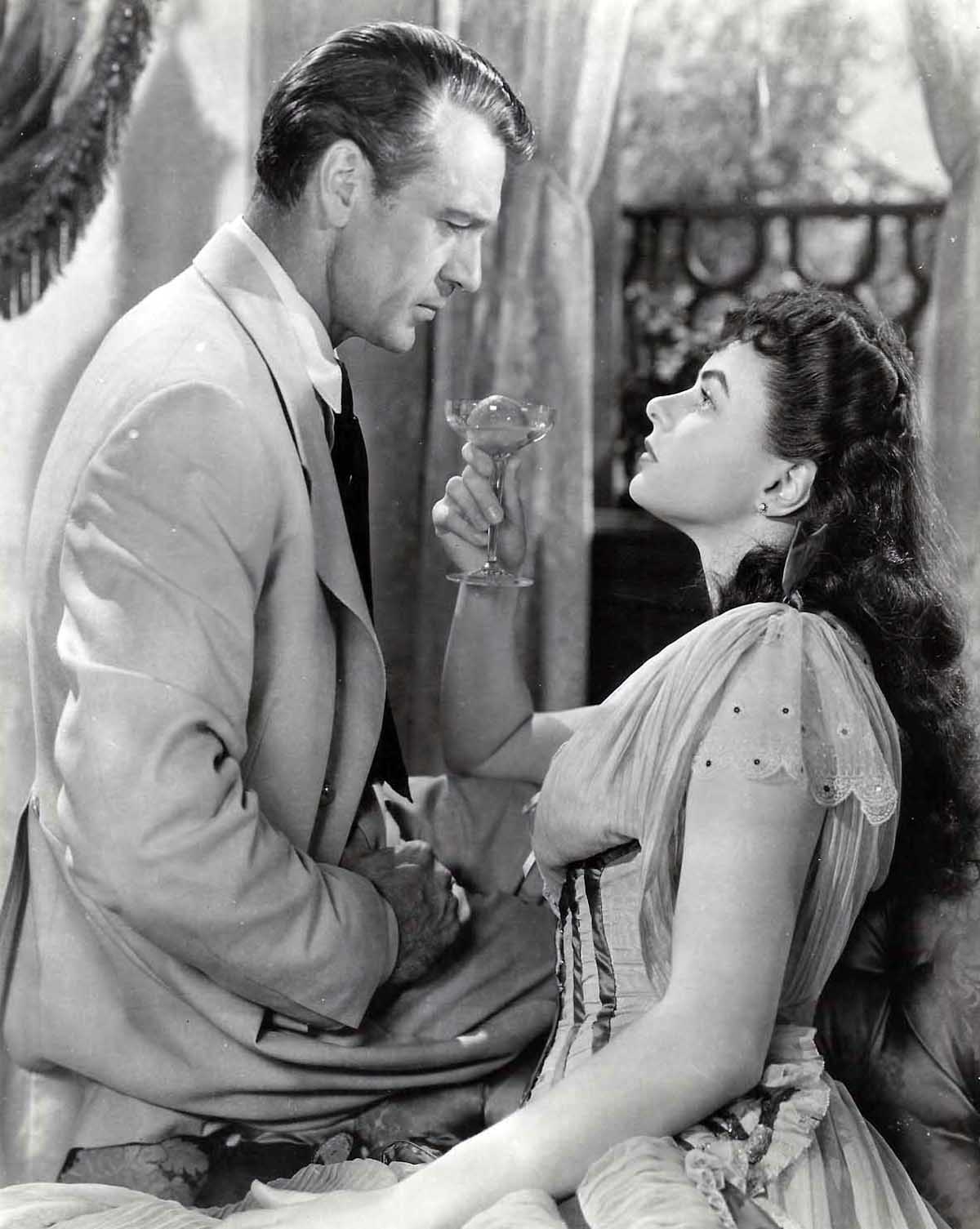
Saratoga Trunk is a 1945 American romantic drama film adapted from the novel by Edna Ferber. Directed by Sam Wood, the picture pairs major screen stars of the era in a story that explores love, ambition and social tensions. The screenplay credits include Casey Robinson and contributions from Ferber, who supplied the source material.
Image gallery
2 Images
Production and background
The film was produced in the mid-1940s at a time when Hollywood studios were investing in literary adaptations and star-driven vehicles. It was developed to showcase two leading actors and to translate Ferber's social themes from the page to the screen. Production emphasized glamour, period detail and dramatic confrontation typical of studio-era romance pictures.
Principal cast and performances
- Ingrid Bergman — one of the film's leading performers, noted for her expressive acting in both dramatic and romantic roles.
- Gary Cooper — the male lead whose screen presence and restrained style were central to the film's appeal.
- Flora Robson — in a supporting role that earned her an Academy Award nomination for Best Supporting Actress.
Reception and significance
At release, the film was discussed for its star power and its attempt to balance melodrama with social observation. Critics and audiences responded to the leads' chemistry and to the lavish production values. Flora Robson's performance received particular recognition from the Academy, underscoring the impact of supporting work in studio-era pictures.
Notable facts and further reading
As a studio adaptation of a well-known novelist, the film illustrates mid-20th-century Hollywood's interest in literary properties. For more on the film's production history, cast biographies and critical assessments, consult contemporary filmographies and reference sites: production notes, cast and crew details, and archival coverage including awards information at award records.
Remarks: This summary focuses on widely documented aspects of the film—its principal artists, authorship, and its place within 1940s American cinema—while avoiding speculative or disputed details about the production.
Related articles
Author
AlegsaOnline.com Saratoga Trunk (1945 film) Leandro Alegsa
URL: https://en.alegsaonline.com/art/87321