
Sara Teasdale — American Lyric Poet (1884–1933)
Overview of Sara Teasdale, the American lyric poet who won the 1918 Pulitzer Prize for Love Songs; her themes, notable works, style, and legacy, and brief account of her life and death.
Sara Teasdale was an American lyric poet known for clear, musical lines and concise emotional expression. Born in St. Louis, Missouri, in 1884, she became prominent in the early 20th century for verse that emphasized love, nature, and personal feeling rather than the experimental techniques of contemporary modernists. She achieved national recognition when her collection Love Songs (1917) earned the Pulitzer Prize for Poetry in 1918. Many readers recall her poems for their singable cadences and melancholic lucidity.
Image gallery
7 Images


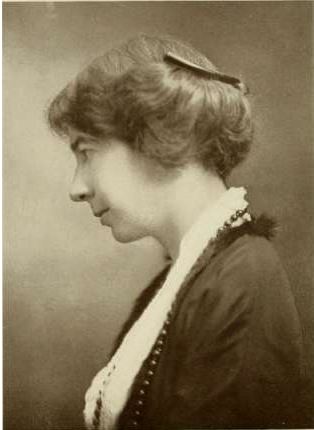
Life and career
Teasdale grew up in the Midwest and published frequently in magazines and small collections before gaining wider attention. Her work circulated in American literary periodicals of the era and reached audiences who favored traditional meters and direct diction. Throughout her career she remained identified with the lyrical, personal mode of poetry: short pieces that often read aloud like songs. Her standing as a recognized poet was cemented by the Pulitzer, which brought broader public attention to her work.
Style and themes
Teasdale’s poetry is marked by simplicity of language, careful attention to sound, and economy of thought. Recurring themes include the experience of love and longing, the consolation and indifference of nature, death and transience, and moments of quiet domestic observation. She used conventional stanza forms and rhyme when they suited her purpose, producing poems that are accessible yet formally assured. Readers often note the elegiac quality of many pieces and their focus on inner states rather than public events.
Notable works and examples
- Love Songs (1917) — the collection that received the 1918 Pulitzer Prize for Poetry.
- Well-known individual poems frequently anthologized include pieces that reflect on nature's indifference and the ache of human love.
- Her poems continue to appear in anthologies and taught courses on early 20th-century American lyric verse.
Reception and legacy
During her lifetime Teasdale was widely popular with general readers and respected by many critics for her craftsmanship. Her work represents a strand of American poetry that favored clarity, musicality, and emotional directness over the formal experiments of some contemporaries. In later decades, scholarly interest has reexamined her place in the literary landscape, noting both her commercial success and her influence on the tradition of short lyric poems in English.
Death and notable facts
Sara Teasdale died in New York City in 1933 at age forty-eight. Her death was ruled a suicide by overdose of sleeping pills, a tragic end that colored posthumous readings of her more melancholy poems. For further reference on her life and work see contemporary resources about American poets and literary history: biographical introductions, publications on poetry, and historical award listings such as the Pulitzer Prize. Her verse is often read for its treatment of romance and emotional restraint, and her Midwestern origins are noted in regional studies of American letters (St. Louis, Missouri). For information about the place of her death, see sources relating to New York City.
Related articles
Author
AlegsaOnline.com Sara Teasdale — American Lyric Poet (1884–1933) Leandro Alegsa
URL: https://en.alegsaonline.com/art/87288