
Sandhikharka, administrative center of Arghakhanchi District, Nepal
Sandhikharka is the municipality and district headquarters of Arghakhanchi in Lumbini Province, Nepal. Formed in 2014 by merging several local villages, it serves as a regional hub for administration, services and trade.
Overview
Sandhikharka (Nepali: सन्धिखर्क) is a municipality that serves as the administrative centre of Arghakhanchi District. Historically part of the Lumbini Zone, it is now located within Lumbini Province in Nepal. The town functions as the principal local hub for district-level government offices, markets and basic services for surrounding hill communities.
Image gallery
2 Images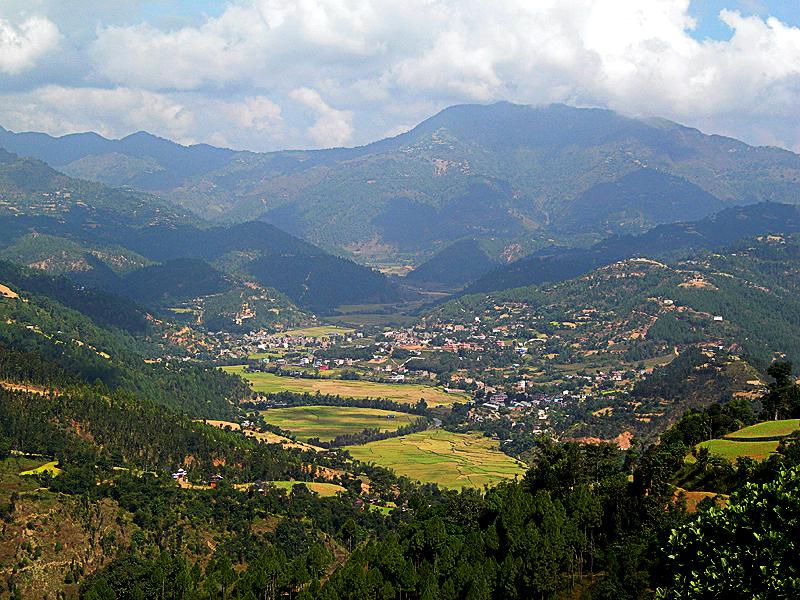

Geography and setting
Sandhikharka lies in the hilly Middle Hills of western Nepal, an area of rolling ridges and river valleys that form the transition zone between the lowland Terai and higher Himalayan foothills. The municipality is characterised by mixed agricultural land, terraced fields and settlement clusters on ridgelines and valley floors. Seasonal variations in rainfall and temperature influence cropping patterns and local livelihoods.
Administration and municipal structure
As the district headquarters, Sandhikharka hosts administrative offices, courts and public-service institutions that coordinate services across Arghakhanchi. The municipality is subdivided into wards for local governance, with elected representatives responsible for planning, basic infrastructure and community services. The municipal administration works to integrate former rural settlements into urban planning frameworks introduced during Nepal’s shift to federalism.
History and formation
The modern municipality was formed on 18 May 2014 by merging several Village Development Committees (VDCs) into a single urban local body. The VDCs combined to create Sandhikharka municipality included Sandhikharka, Bangla, Narapani, Khanchikot, Kimadada, Argha and Dibharna. This consolidation aimed to improve coordination of infrastructure, public services and local development.
Economy and services
The local economy is a mixture of subsistence and market-oriented agriculture, small-scale commerce, public-sector employment and income from migrants who work elsewhere in Nepal or abroad. As the district centre, Sandhikharka provides services that typically include district health facilities, secondary schools and some post-secondary institutions, banks, cooperatives and periodic markets that attract traders and shoppers from nearby villages.
Education and health
Educational facilities in the municipality range from primary schools to secondary institutions and colleges that offer intermediate and vocational programmes. Health services are centred on a district hospital or health centres and smaller clinics; they offer basic inpatient and outpatient care and public-health programmes. Access to specialised medical care generally requires travel to larger regional centres.
Transport and infrastructure
Road connections link Sandhikharka to district roads and to larger towns in the region, supporting movement of people and goods. Infrastructure development is an ongoing priority, including road improvements, water and sanitation projects and electrification. Seasonal weather and terrain can affect travel and supply routes, so improvements to transport networks are often central to local planning.
Culture, society and local life
The population reflects the ethnic, linguistic and cultural diversity common to Nepal’s hill districts. Nepali is the lingua franca in administration and markets, while local languages and dialects are used in daily life. Cultural life includes national festivals such as Dashain and Tihar alongside local rituals, fairs and events linked to agricultural cycles and community traditions.
Tourism and points of interest
Although not a major tourist centre, Sandhikharka and its surroundings offer scenic hill landscapes, local temples and community sites of interest for visitors seeking rural hill life and short treks. Community-based initiatives and small guesthouses sometimes support modest local tourism focused on culture and nature.
Challenges and development outlook
Like many hill municipalities, Sandhikharka faces challenges including improving road access, expanding reliable health and education services, managing urban growth and providing employment opportunities. Ongoing decentralisation, infrastructure projects and community development efforts aim to strengthen local governance and economic resilience.
Sandhikharka continues to function as the focal point for district-level administration and for residents of Arghakhanchi seeking government services, markets and education. For further administrative or geographic context see the district and provincial entries linked above: Arghakhanchi District, Lumbini Zone and Nepal.
Related articles
Author
AlegsaOnline.com Sandhikharka, administrative center of Arghakhanchi District, Nepal Leandro Alegsa
URL: https://en.alegsaonline.com/art/86970
Sources
- myrepublica.com : "72 new municipalities announced"
- ekantipur.com : "Government announces 72 new municipalities"