
San Marino (City)
Capital city of the Republic of San Marino, set atop Monte Titano; noted for its medieval centre, three towers, civic institutions and status as a historic microstate capital.
Overview
The City of San Marino, often called simply San Marino, is the capital and principal historic settlement of the Republic of San Marino. It occupies a fortified hilltop position on Monte Titano and functions as the political and cultural heart of the microstate. Although small in size and population compared with most national capitals, it contains the nation’s main public buildings, ceremonial spaces and preserved medieval core.
Image gallery
10 Images





Location and characteristics
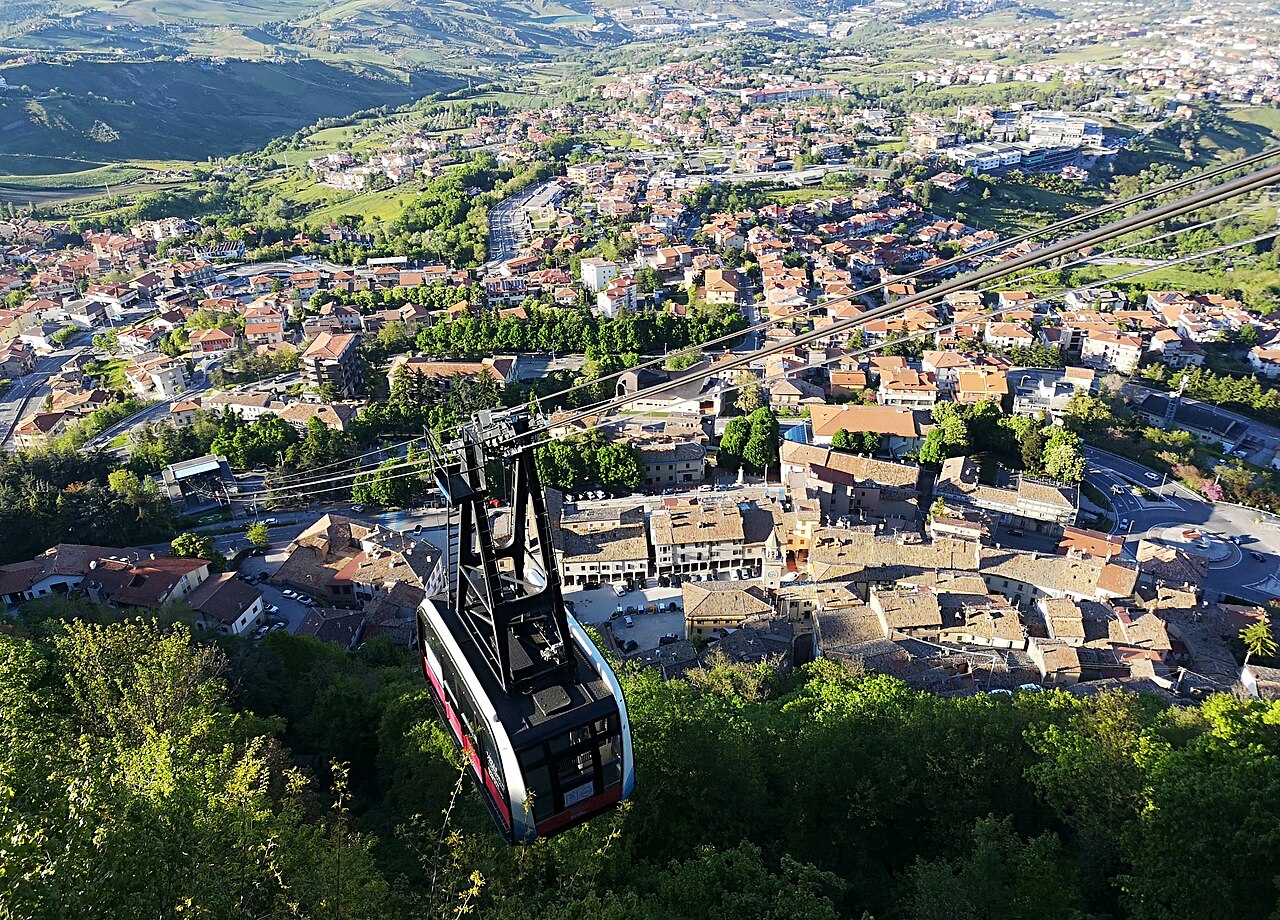
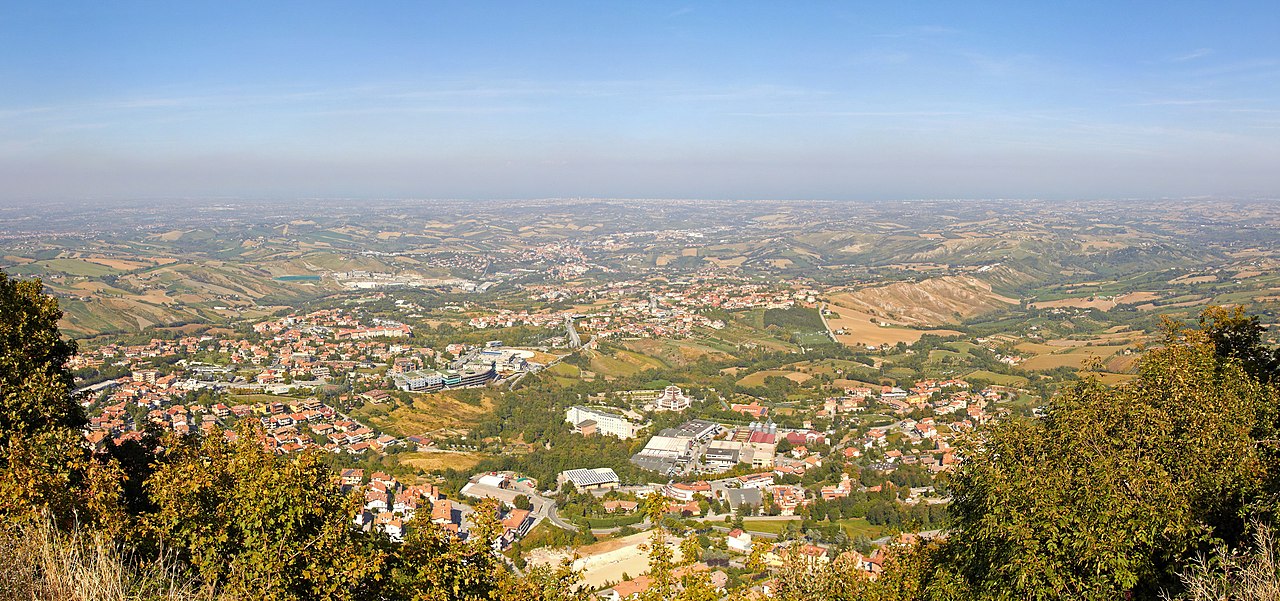
Perched on a ridge, the city presents narrow streets, defensive walls and panoramic views of the surrounding Italian countryside. Its skyline is dominated by three crenellated towers—Guaita, Cesta and Montale—that are integral to the city’s identity. The historic centre includes the Palazzo Pubblico (the town hall and seat of government), a basilica, museums and compact residential quarters. The city is one of several settlements within the republic; other larger urban centres include Dogana and Borgo Maggiore.
History and origins
By tradition, the community traces its origin to Saint Marinus, a stonemason who, according to legend, founded a small monastic community on Monte Titano in the early fourth century. Over centuries this community developed into an independent polity. The city’s medieval fabric, fortifications and civic institutions reflect its long history as a self-governing entity and its resilience amid regional powers.
Government, culture and economy
The city houses national institutions and is the site of formal ceremonies, including the investiture of the Captains Regent. Cultural life revolves around historic buildings, museums, artisan shops and festivals. Tourism is a major economic activity: visitors come to see the towers, the historic centre and panoramic viewpoints, and to experience the distinctive status of San Marino as a long-standing republic.
Notable facts and distinctions
San Marino’s historic centre and Mount Titano are recognised for their architectural and cultural value and have been listed as a World Heritage Site. The city is often mentioned among the world’s smallest capitals and is notable for maintaining medieval urban features alongside the administrative functions of a modern state. Its compact layout, defensive structures and ceremonial spaces make it a concentrated example of a historic European capital.
Visiting and further reading
- Key sites: the three towers, Palazzo Pubblico, Basilica and state museums.
- Practical note: the city is accessible from surrounding Italian towns and nearby airports; visitors should plan for steep streets and pedestrian areas.
- For more on neighboring settlements and administrative divisions, see pages on Dogana and Borgo Maggiore.
Related articles
Author
AlegsaOnline.com San Marino (City) Leandro Alegsa
URL: https://en.alegsaonline.com/art/86884