
San Miguel de Tucumán
San Miguel de Tucumán (Tucumán) is the capital of Tucumán Province in northern Argentina, noted for its historic role in independence, subtropical setting, cultural sites, and regional economy.
San Miguel de Tucumán, commonly shortened to Tucumán, is the principal city and administrative center of the province that surrounds it. As the capital of Tucumán Province, it occupies a strategic location in northern Argentina, roughly 1,311 kilometres from Buenos Aires. The urban area combines political, educational and commercial functions and serves as a gateway between the lowland plains to the east and the foothills of the Andes to the west.
Image gallery
10 Images


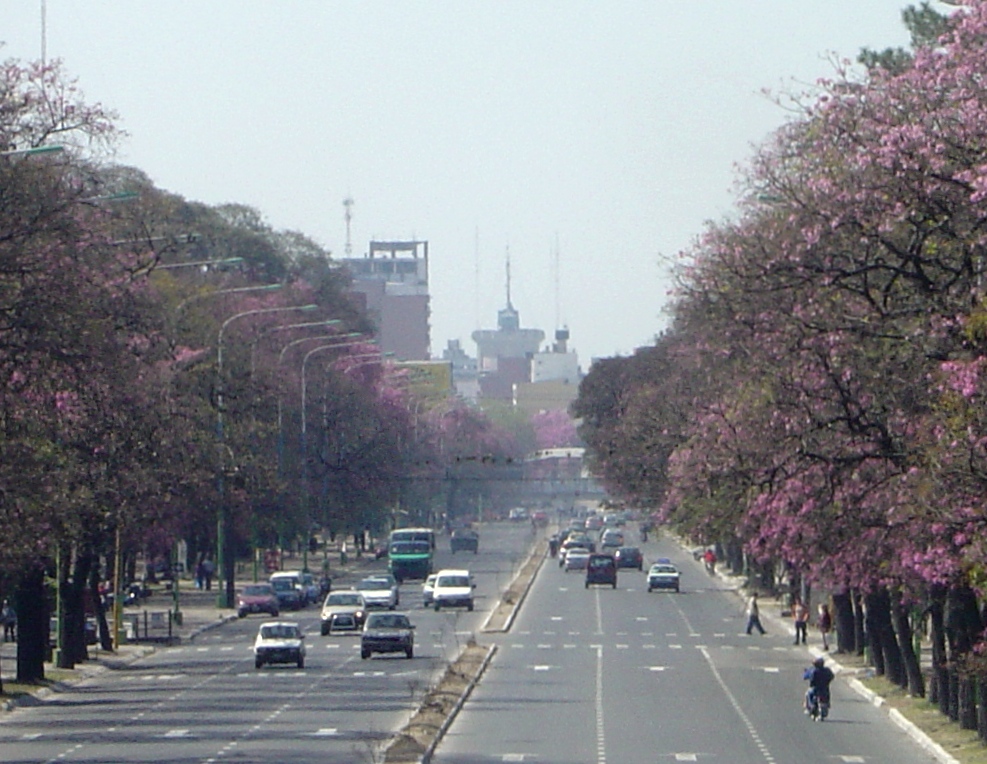


Geography and climate
The city lies on a fertile plain at the eastern edge of the Sierras de Aconquija range. Its setting produces a humid subtropical climate with hot summers and mild winters; seasonal rainfall supports intensive agriculture in the surrounding valleys. The combination of river systems and irrigated land has shaped the city’s growth and economic links to nearby rural districts.
Origins and historical importance
Tucumán was founded in the 16th century by Spanish explorers. The Spanish conquistador Diego de Villarroel established the settlement in 1565 during an expedition that moved south from territories now part of present-day Peru. The community was later relocated to its present position in 1685 for reasons of security, water supply and transport; the current location is often noted as the present site of the city. Tucumán gained enduring national prominence as the place where Argentine leaders declared independence in July 1816, and several historic buildings recall that episode.
Economy, culture and society
The surrounding province is agriculturally productive: sugar and fruit cultivation (notably citrus) have been important historically, while services, education and manufacturing sustain the urban economy today. The city hosts major educational institutions, cultural venues, and a lively street life with markets, theatres and culinary traditions—empanadas and regional stews are local specialties often highlighted by visitors.
Landmarks and events
- Casa Histórica and independence plaza: museums and monuments linked to 1816.
- Colonial and republican-era architecture scattered through the historic center.
- Universities, museums and regular cultural festivals that attract provincial audiences.
Tucumán functions as a regional hub for transport, health care and education while retaining strong rural ties. Its blend of historical significance, subtropical landscape and economic role makes San Miguel de Tucumán a focal point in northwest Argentina and a frequent subject of study for visitors and scholars interested in the country’s early republican history and regional development.
Questions and answers
Q: What is San Miguel de Tucumán?
A: San Miguel de Tucumán is the capital of the Tucumán Province in northern Argentina.
Q: How far is San Miguel de Tucumán from Buenos Aires?
A: San Miguel de Tucumán is 1,311 kilometres (815 mi) away from Buenos Aires.
Q: Who founded San Miguel de Tucumán?
A: The Spanish Conquistador Diego de Villarroel founded San Miguel de Tucumán in 1565 during an expedition from present-day Peru.
Q: When was San Miguel de Tucumán moved to its current location?
A: San Miguel de Tucumán was moved to its current location in 1685.
Q: What is the Tucumán Province?
A: The Tucumán Province is a province in northern Argentina, with San Miguel de Tucumán as its capital.
Q: What was the reason behind moving the city to its present site?
A: The reason behind moving San Miguel de Tucumán to its present site is not mentioned.
Q: What is another name for San Miguel de Tucumán?
A: San Miguel de Tucumán is usually called simply Tucumán.
Related articles
Author
AlegsaOnline.com San Miguel de Tucumán Leandro Alegsa
URL: https://en.alegsaonline.com/art/86896
Sources
- smt.gob.ar : "Intendencia"
- citypopulation.de : "Argentina: Tucumán"
- weatherbase.com : "Tucuman, Argentina - Köppen Climate Classification"
- smt.gob.ar : "Hermanamiento de Ciudades"