
Samonac (Gironde) — commune in southwestern France
Samonac is a small commune in the Gironde department of Nouvelle-Aquitaine in southwest France, characterised by rural landscapes, local agriculture, and its place within the historic Aquitaine area.
Samonac is a small commune located in the Gironde department in southwestern France. Administratively it is part of the broader region commonly associated with Nouvelle-Aquitaine, and historically within Aquitaine. The settlement is typical of rural communities in this part of the country, combining agricultural land, small hamlets and a local municipal centre.
Image gallery
1 Image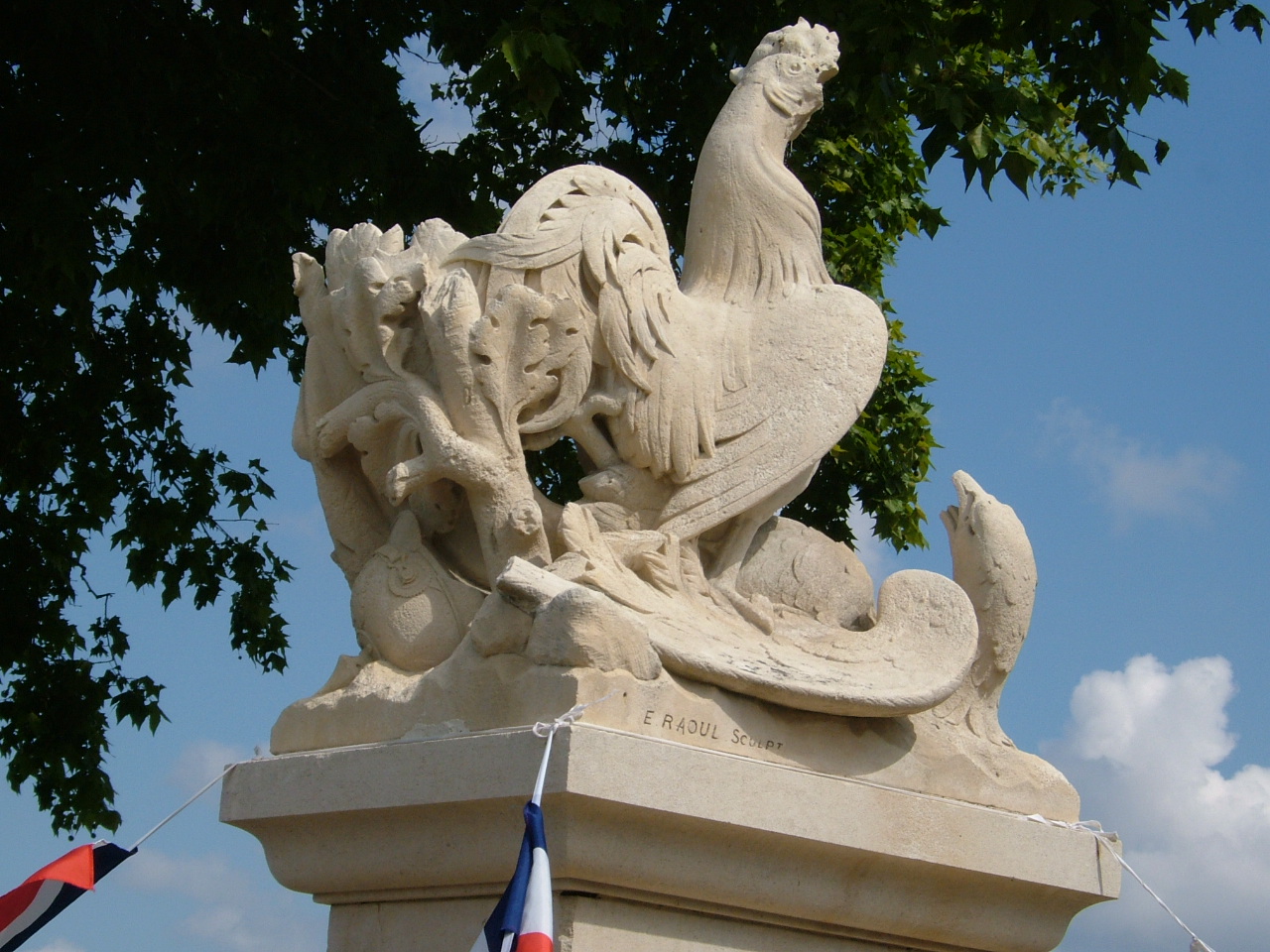
Geography and administration
Samonac lies within the administrative structures of the French commune system. Local affairs are managed by a municipal council and mayor, while departmental and regional authorities cover wider services. The surrounding landscape is largely agricultural, with fields, hedgerows and small woodlands characteristic of the Gironde countryside. For official listings and maps see the departmental page department information or a regional overview regional map.
History and name
The village has medieval roots common to many settlements in Aquitaine. Documentary traces and local place-names indicate continuity of rural life through centuries of changing administration. The precise origin of the toponym is not definitively established in general sources, but like many names in the area it likely reflects older Gallo-Roman or medieval linguistic layers.
Economy and local life
Economic activity in and around Samonac is principally agricultural. Small-scale farming, mixed crops and vineyards are typical in Gironde, and local residents often combine farming with services, crafts or commuting to nearby towns. Community life centres on local events, the village hall and parish or civic gatherings that preserve regional traditions.
Sights and significance
Although Samonac is not widely known for large monuments, it offers the kinds of local features visitors and residents value: a parish church or chapel, traditional houses, rural lanes and walking routes. Its situation in Gironde places it within reach of well-known wine country and larger urban centres of southwestern France, making it part of both agricultural production and regional tourism circuits.
Practical information
- Administration: governed as a French commune with municipal services.
- Access: connected by local roads to neighbouring villages and towns; the nearest larger urban centres provide wider services.
- Further reading: consult local or departmental sources for up-to-date practical details and community events (department, regional).
Related articles
Author
AlegsaOnline.com Samonac (Gironde) — commune in southwestern France Leandro Alegsa
URL: https://en.alegsaonline.com/art/86701