
Sam Phillips — founder of Sun Records and early rock and roll pioneer
Sam Phillips (1923–2003) was an American record producer, label owner and DJ who founded Sun Records and Sun Studio in Memphis and helped launch Elvis Presley's career and early rock and roll.
Sam Phillips was an American record executive, engineer and disc jockey whose independent studio and label became central to the emergence of mid‑20th century popular music. Born in 1923 and active from the 1940s onward, he is best known for creating an environment that brought rhythm and blues, country, and gospel sounds into wider circulation and helped give rise to early rock and roll.
Image gallery
4 Images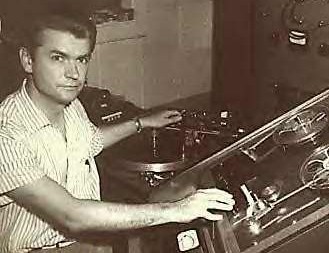


Early life and career
Raised in the American South, Phillips began his career in radio and small‑scale recording. He combined technical know‑how with a determination to record artists who were overlooked by major companies. Phillips ran a recording service in Memphis where he pursued a mission to capture the vitality of regional black artists as well as rural white performers, believing that raw musical energy could cross social boundaries.
Sun Studio and Sun Records
In Memphis he established a modest studio and an independent label that became known as Sun Records. Working as a hands‑on record producer and talent scout, Phillips favored live takes and straightforward engineering that preserved rhythmic drive and emotional immediacy. In the early 1950s his recordings began attracting attention beyond local markets, and in 1954 he played a key role in launching the career of Elvis Presley, whose early Sun sides helped introduce a new hybrid sound to mainstream audiences.
Notable artists
- Elvis Presley — early singles that blended country and rhythm and blues
- Johnny Cash — Sun sessions that launched a long career
- Jerry Lee Lewis and Carl Perkins — examples of the label's rockabilly reach
- Other regional performers who moved popular music toward integrated styles
Legacy and influence
Phillips is remembered for a philosophy as much as for particular records: he sought performances that felt urgent and authentic rather than polished. His work helped break down musical and racial barriers in American popular music, and his studio in Memphis remains a symbol of the era. In later decades his contributions were recognized by institutions and scholars who trace the roots of modern popular forms to the small, creative operations he championed.
Today Sun's recordings are studied both as cultural documents and as examples of economical, effective production. Phillips's combination of business acumen, technical skill and willingness to take artistic risks made him a central figure in the story of mid‑century American music and the development of rock and roll worldwide.
Related articles
Author
AlegsaOnline.com Sam Phillips — founder of Sun Records and early rock and roll pioneer Leandro Alegsa
URL: https://en.alegsaonline.com/art/86625