
Salta Province, Argentina: geography, culture, and attractions
Salta is a northwestern Argentine province known for Andean landscapes, colonial architecture in Salta City, wine valleys, and diverse ecosystems from cloud forest to high puna.

Salta is a province in northwestern Argentina whose capital, Salta City, is celebrated for well-preserved colonial architecture and regional culture. The province has a population of about one million people and spans a wide range of climates and elevations, from humid Yungas cloud forest to high Andean plateaus.
Image gallery
10 Images


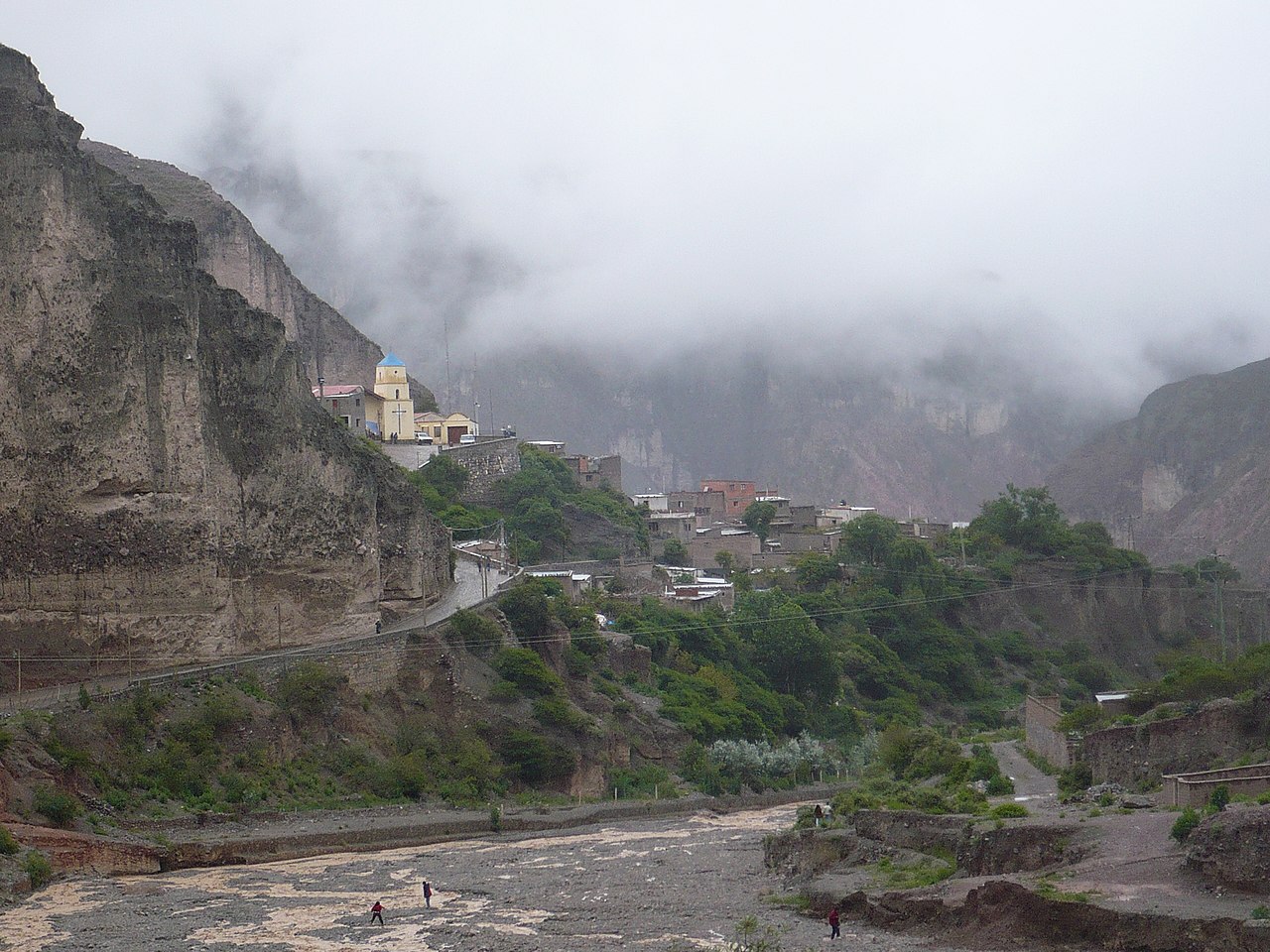


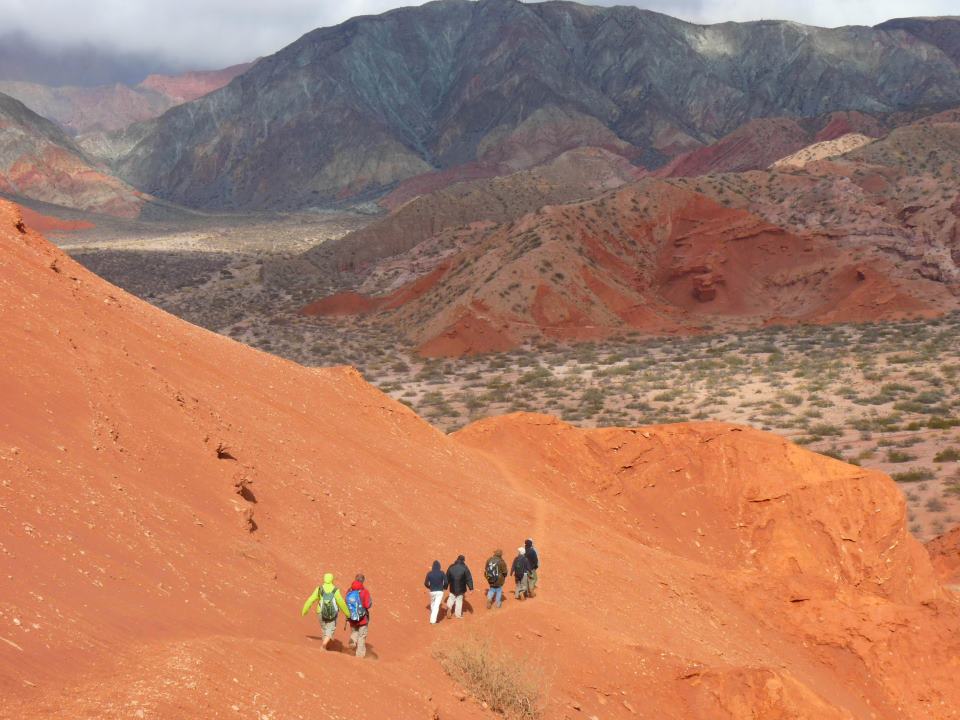
Geography and landscapes
Salta's territory includes parts of the eastern Andes, deep valleys and arid canyons. Notable landscapes are the Calchaquí Valleys and the sculpted red rocks of the Quebrada de las Conchas. Altitudinal variety creates distinct ecological zones: subtropical foothills, fertile valleys, and high puna plates with sparse vegetation.
History and culture
The region has a long indigenous history, including groups often referred to collectively as Diaguita-Calchaquí peoples. Spanish colonization left a legacy of baroque churches, civic buildings and plazas in the capital and smaller towns. Folkloric music, traditional dance and regional festivals remain important to local identity.

Economy and uses
Agriculture and viticulture are significant: the Cafayate area is known for wineries and Torrontés grapes. Other economic activities include tobacco and sugarcane in lower valleys, livestock, mining of various minerals, and services tied to tourism.
Tourism and notable facts
Visitors come for scenery, historic churches and routes such as the scenic railway known as the Train to the Clouds. Outdoor activities include trekking, birdwatching and visiting wineries. For official or in-depth information see provincial resources, general country context at Argentina overview, or Salta City guides at local tourism pages.
Related articles
Author
AlegsaOnline.com Salta Province, Argentina: geography, culture, and attractions Leandro Alegsa
URL: https://en.alegsaonline.com/art/86556