
Salta, Argentina
Salta is the capital of Salta Province in northwestern Argentina, noted for its colonial architecture, Andean setting and cultural heritage. Population about 618,375 (2010). A regional center for tourism and commerce.

Salta is a city in the northwestern region of Argentina and serves as the administrative center of the province of Salta. Founded in the colonial era, it has grown into a regional capital known for well-preserved colonial buildings, a lively cultural scene and easy access to nearby Andean landscapes. The 2010 census recorded about 618,375 inhabitants in the city proper; the surrounding metropolitan area is larger.
Image gallery
10 Images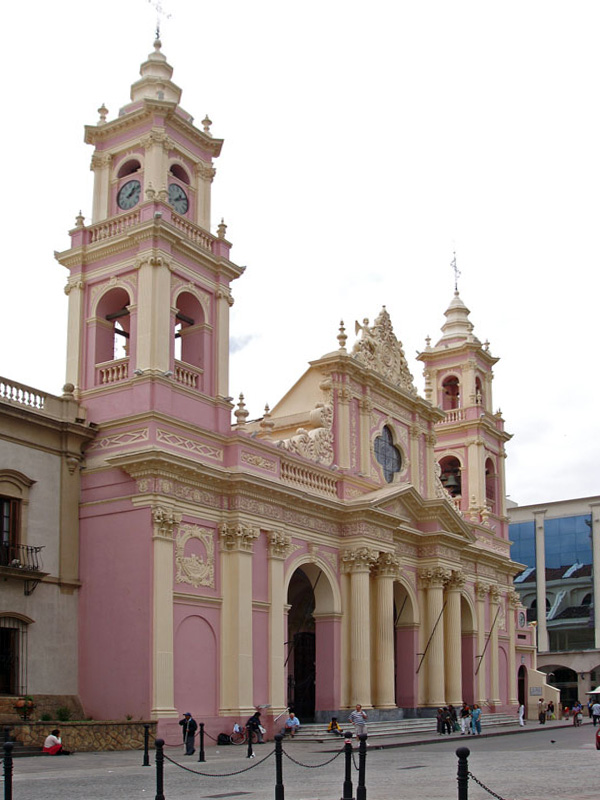


Geography and climate
Salta sits in the Lerma Valley at the eastern foothills of the Andes. The surrounding topography includes gentle valleys and rising mountain slopes. The climate is typically dry to semi-arid with warm summers and cool winters; altitude and local geography produce marked daily temperature swings and sunny conditions that attract visitors year-round.
History and culture
Established during Spanish colonial expansion, Salta retains many examples of colonial urban planning: a central plaza, a cathedral and civic buildings with arcades. Museums, performance venues and traditional markets maintain regional folk music, dance and crafts. Religious processions and seasonal festivals continue to be important expressions of local identity.
Economy and transport
The city's economy combines public administration, commerce, education, tourism and services. Agriculture and viticulture are important in the surrounding province. Salta functions as a transport hub for northwest Argentina, with road connections, regional bus services and an airport linking it to national destinations.
Notable places
- Plaza 9 de Julio – historic central square surrounded by the cathedral and civic buildings.
- Museum of High Mountain Archaeology (MAAM) – displays of Andean culture and well-preserved archaeological finds.
- Cable car and San Bernardo Hill – panoramic views of the city and surrounding valleys.
- Colonial architecture and markets – streets with arcades, museums and local craft shops.
Salta is widely regarded as a gateway for exploring the Argentine Northwest and the southern Andean corridor. Its combination of historical architecture, cultural traditions and nearby natural scenery makes it a frequent destination for domestic and international visitors.
Related articles
Author
AlegsaOnline.com Salta, Argentina Leandro Alegsa
URL: https://en.alegsaonline.com/art/86555