
Samarkand: Silk Road City, Timurid Capital, and World Heritage Site
Historic Central Asian city in Uzbekistan, famed for Timurid monuments like the Registan and Gur-e Amir, a Silk Road crossroads and UNESCO World Heritage Site.
Overview
Samarkand is one of the oldest continuously inhabited cities in Central Asia and a major urban centre in modern Uzbekistan. Its position on the trade routes connecting China and the Mediterranean made it an important crossroads on the historic Silk Road. Over many centuries the city has been a commercial hub, a centre of Islamic scholarship, and a showcase of Timurid architecture.
Image gallery
10 Images

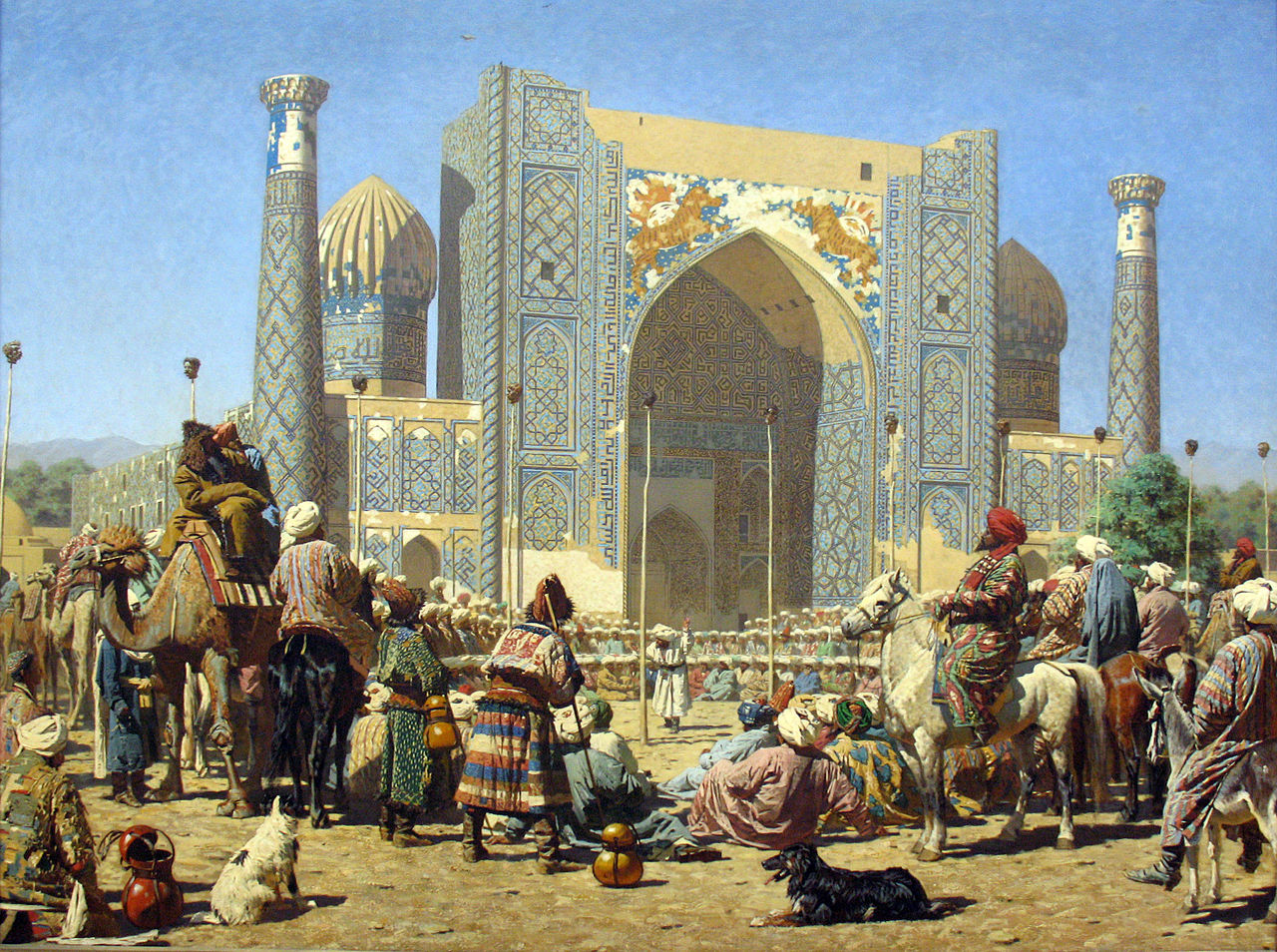
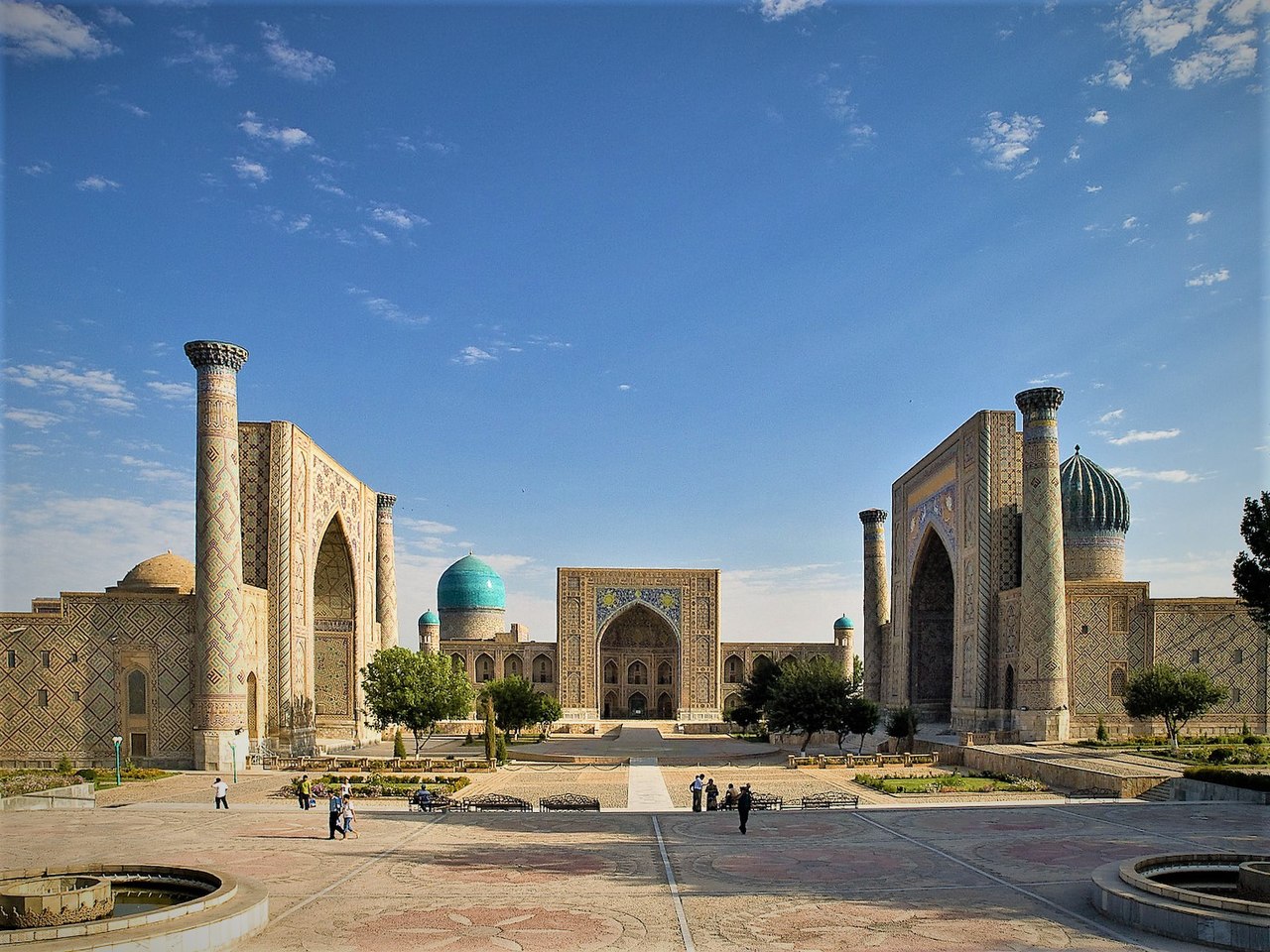

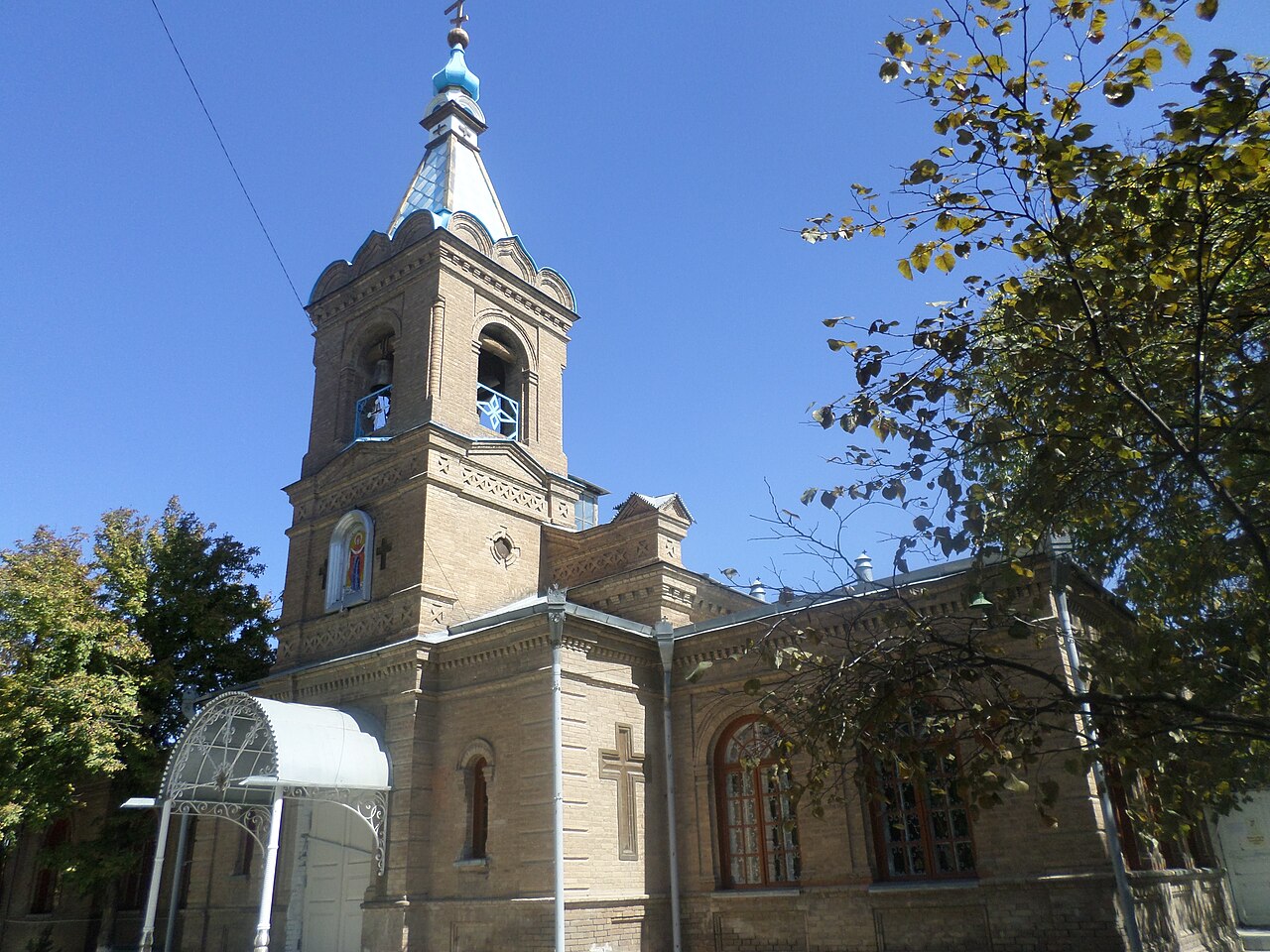
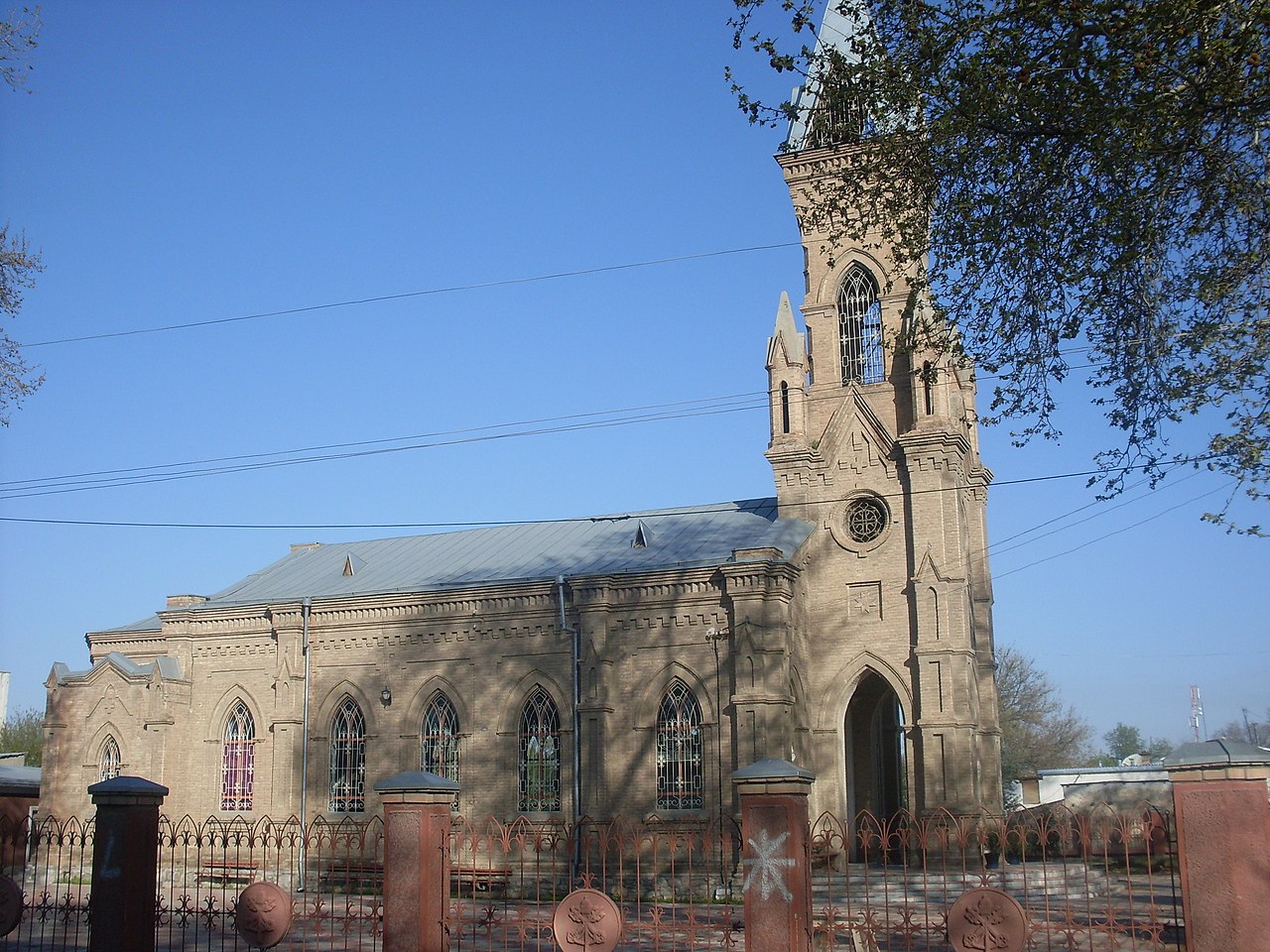


Historical development
The origins of Samarkand date back millennia; it grew into prominence because of its strategic location and fertile surroundings. During the medieval period it became a thriving cultural and economic node along overland trade corridors. In the 14th century the conqueror Timur (Tamerlane) made Samarkand the capital of his realm, commissioning grand mosques, madrasas and mausoleums that fused Persian, Turkic and Mongol artistic traditions. These Timurid-era monuments gave the city much of its distinctive skyline.
Monuments and urban fabric
Samarkand’s historic core contains a concentration of monumental buildings famous for tilework, domes and imposing portals. Key sites include:
- Registan — the historic public square framed by three ornate madrasas that were the city’s scholarly and civic heart.
- Gur-e Amir — the mausoleum of Timur, noted for its azure dome and richly decorated interior; see more at Gur-e Amir.
- Bibi-Khanym Mosque — a monumental mosque from the Timurid period, once among the largest in the Islamic world; further information: Bibi-Khanym.
- Ensembles of tombs and mausolea, caravanserais and bazaars that reflect the city’s role as a place of pilgrimage, learning and trade.
Culture, language and scholarship
Samarkand has long been a meeting place of cultures and languages. Historically Persian-speaking communities were prominent and contributed to the city’s literary and scholarly life. Today Samarkand’s population is multilingual: Uzbek is widely used in public life while varieties of Persian (often called Tajik in the region) remain part of the local heritage. The city has been associated with religious learning, astronomy, and book arts across different eras.
Modern role and heritage protection
In recent decades Samarkand has been preserved and promoted as an exceptional historic ensemble. In recognition of its long history and architectural significance UNESCO inscribed the city as a World Heritage Site under the name "Samarkand – Crossroads of Cultures." See the UNESCO notice at UNESCO and the official listing World Heritage Site. The designation has encouraged restoration, tourism and research while also raising questions about conservation practices and sustainable tourism management.
Notable facts and distinctions
Samarkand is widely studied as an example of how trade, conquest and patronage shape urban form. Its Timurid monuments influenced later Central Asian and Persian architecture. Today the city is both a living urban centre and a destination for visitors interested in history, architecture and the Silk Road legacy. Travelers and scholars often combine visits to the Registan, Gur-e Amir and Bibi-Khanym with exploration of local markets and museums; for practical and scholarly resources consult the links above.
Questions and answers
Q: What is Samarkand?
A: Samarkand is the second-largest city in Uzbekistan and the capital of Samarqand Province.
Q: Where is Samarkand located?
A: Samarkand is located on the old Silk Road between China and the West.
Q: What is Samarkand known for?
A: Samarkand is known for being an Islamic center for scholarly study and for its historical significance as the capital of the empire of Timur.
Q: Who was Timur?
A: Timur, also known as Tamerlane, was an emperor who made Samarkand his capital in the 14th century.
Q: What are some significant landmarks in Samarkand?
A: Some significant landmarks in Samarkand include the Gur-e Amir mausoleum, the Bibi-Khanym Mosque, and the Registan, which was the ancient center of the city.
Q: What language do the inhabitants of Samarkand speak?
A: Most of the inhabitants of Samarkand are Persian-speaking and speak the Tajik Persian dialect.
Q: When did UNESCO add Samarkand to its World Heritage Site list?
A: UNESCO added the 2,750-year-old city of Samarkand to its World Heritage Site list in 2001 as Samarkand – Crossroads of Cultures.
Related articles
Author
AlegsaOnline.com Samarkand: Silk Road City, Timurid Capital, and World Heritage Site Leandro Alegsa
URL: https://en.alegsaonline.com/art/86647
Sources
- commons.wikimedia.org : Samarkand