
Salem, Massachusetts: history, culture, and legacy
Historic coastal city in Essex County, Massachusetts, known for its maritime past and the 1692 Salem witch trials; today a cultural and tourist center with museums and historic sites.
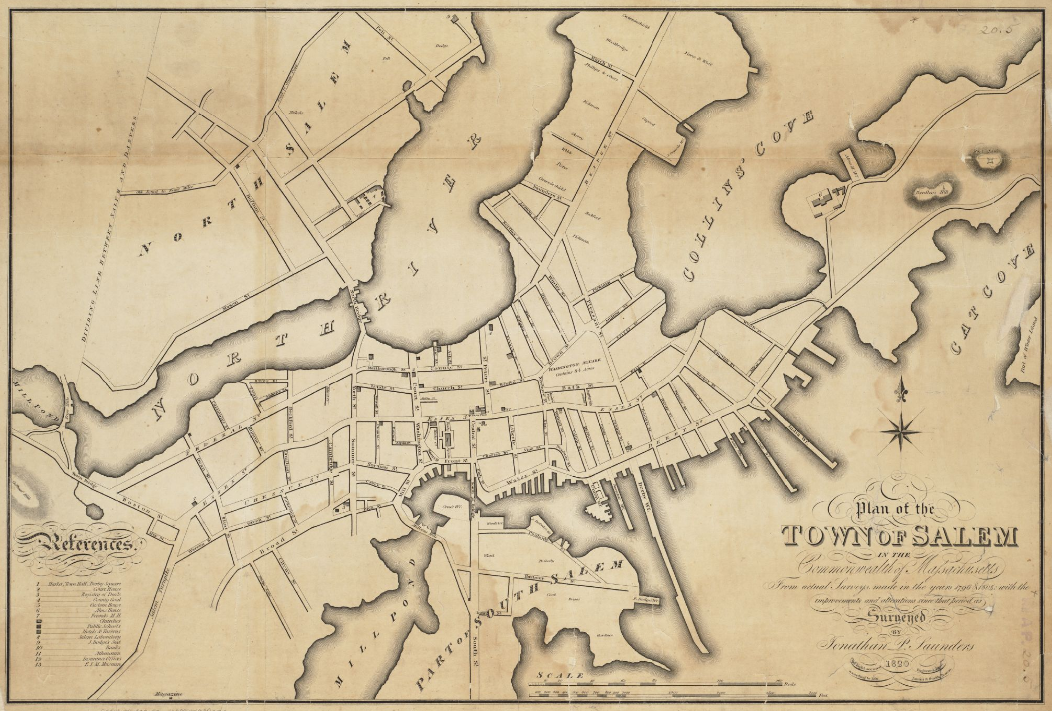
Salem is a coastal city in Essex County, in the northeastern part of Massachusetts. Located on Salem Harbor, it grew as an early colonial settlement and later as a busy maritime port. Its waterfront, historic downtown and preserved neighborhoods reflect centuries of seafaring commerce and urban development.
Image gallery
10 Images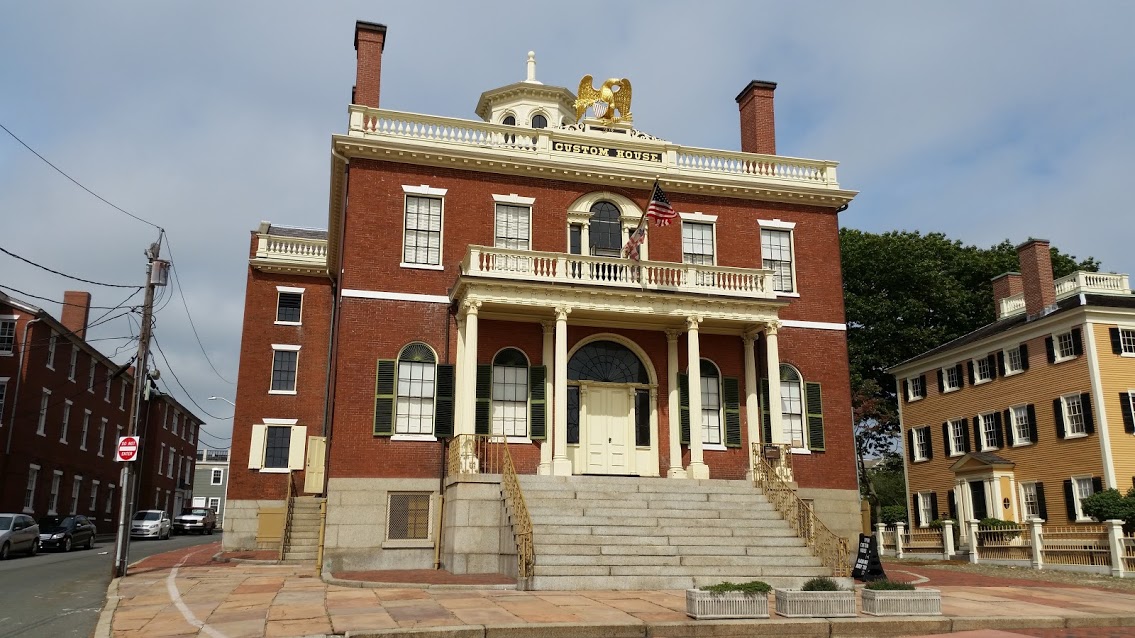






Origins and maritime growth
The town that became Salem was established in the early 17th century and expanded through trade in the 18th and 19th centuries. Salem ships and merchants took part in coastal trade, global voyages and the East India trade, leaving a legacy of grand merchant houses and waterfront infrastructure. Prosperity from commerce funded institutions, churches and collections that survive in the city’s built fabric.
Salem witch trials and memory
Salem is widely remembered for the witch trials of 1692, a series of prosecutions and executions tied to accusations of witchcraft. Those events had lasting legal, cultural and historical consequences and are the subject of extensive study, commemoration and interpretation. Visitors can learn about the trials and their context at several local memorials and museums that examine causes, victims and later responses to the events; see more at information on the trials.
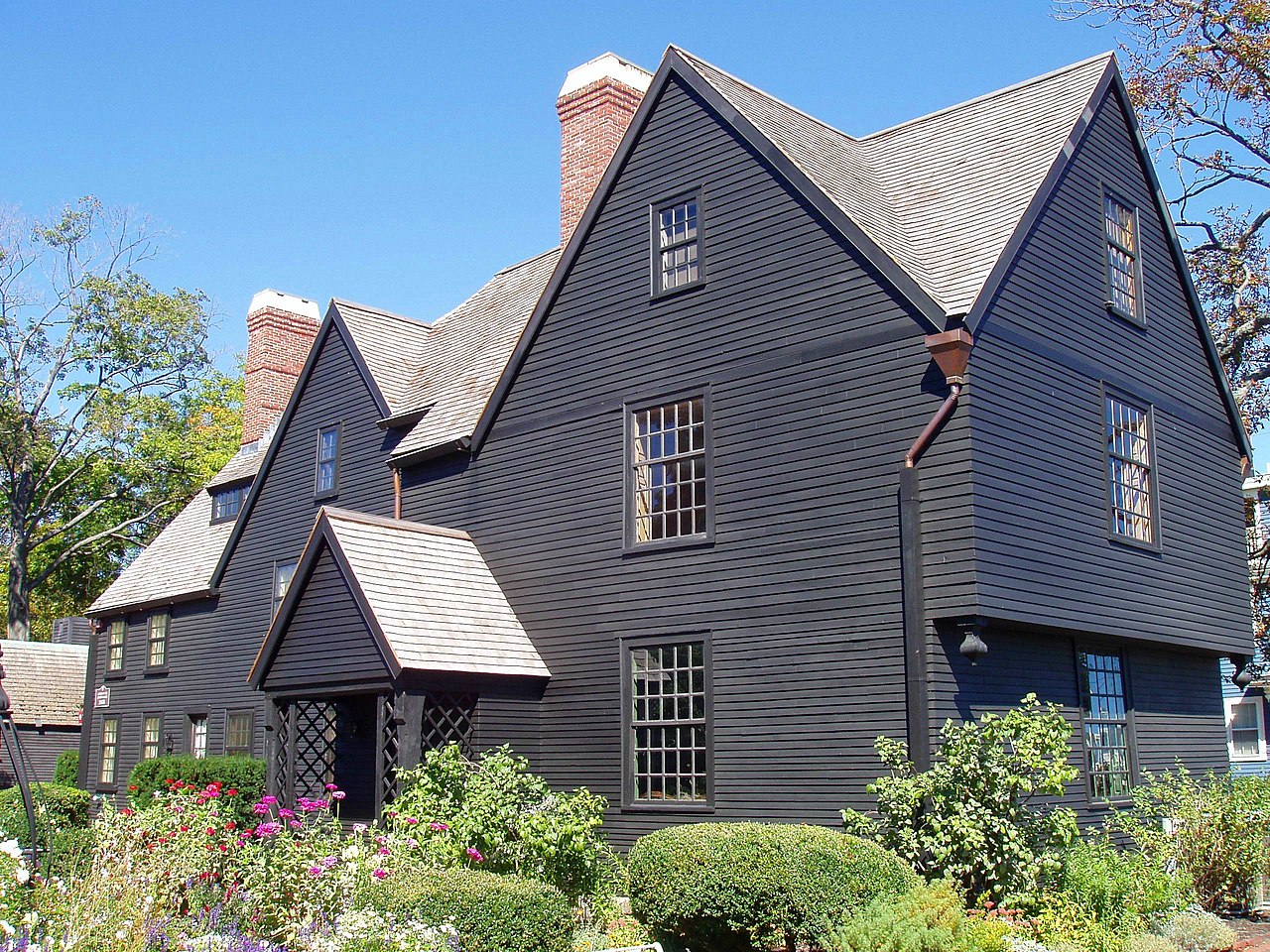
Beyond the trials, the city is associated with American literature and preservation. Nathaniel Hawthorne drew on Salem settings for his novel The House of the Seven Gables, whose historic house is open to the public. The Peabody Essex Museum is a major cultural institution in Salem, with maritime, Asian and local art collections and exhibitions that connect the city’s past to broader global exchanges.
Today Salem blends historic preservation with contemporary life. Its downtown features restaurants, galleries and shops housed in colonial and Victorian buildings. The harbor remains an active promenade and site for maritime festivals. Seasonal tourism—especially in October around Halloween—brings visitors interested in history, architecture and the city’s association with witchcraft folklore.
Notable distinctions include its concentration of preserved historic structures, its role in early American maritime history, and its place in cultural memory because of the 1692 trials. For practical visitor information, historic tours and museum details, consult local resources and museum guides that cover architecture, maritime history and interpretive programs.
Related articles
Author
AlegsaOnline.com Salem, Massachusetts: history, culture, and legacy Leandro Alegsa
URL: https://en.alegsaonline.com/art/86429