
Salamanca — Historic University City in Central Spain
Salamanca is a historic city in central Spain known for its medieval university, twin cathedrals, 18th-century Plaza Mayor, distinctive frog mascot, and its role in the Napoleonic Wars.
Overview
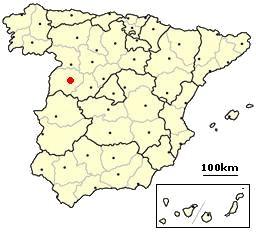
Salamanca is a prominent city in Spain celebrated for its architectural ensemble and long academic tradition. It serves as the capital of the surrounding province of the same name and is a regional centre for culture, education and tourism. The city's historic core and university quarter draw visitors and students from across the Spanish-speaking world.
Image gallery
10 Images



University and intellectual life
The University of Salamanca, founded in the early 13th century, is one of Europe's oldest continuously operating universities and has shaped the city's identity for centuries. Its historic classrooms, engraved façades and lively student population make the university a focal point for language study, humanities and cultural exchange. Many institutions, cafés and bookstores in the city cater to an international student community.
Architecture and landmarks
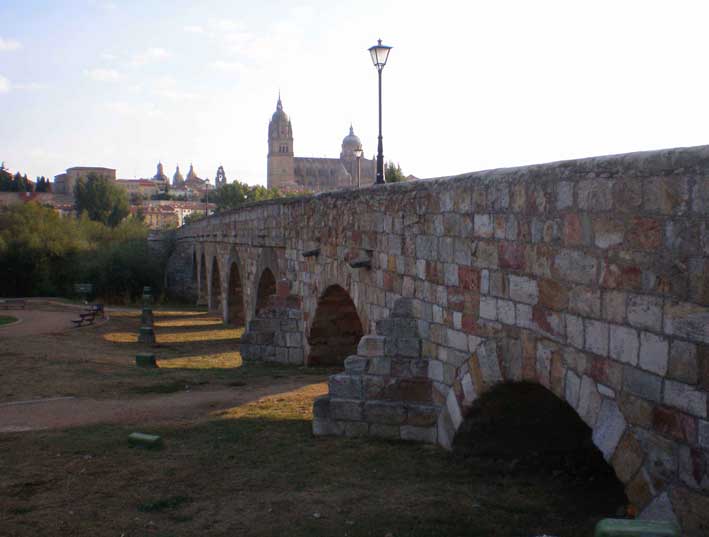
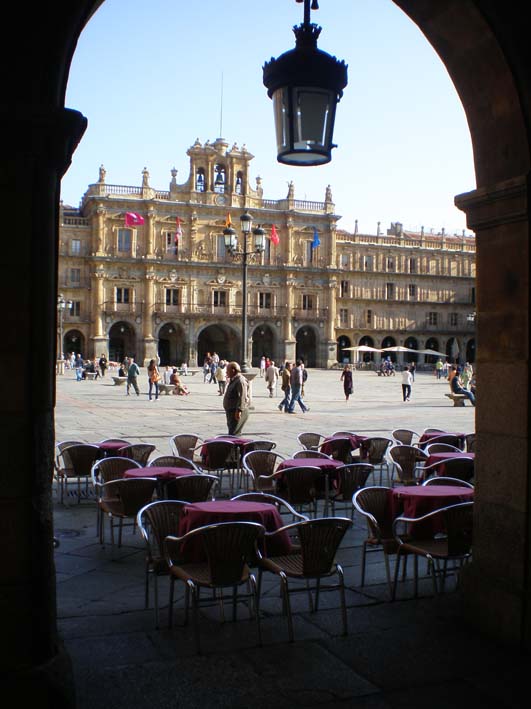
Salamanca's streets display a mix of Romanesque, Gothic, Renaissance and Baroque architecture. The city is noted for having two adjacent cathedrals—often described as the Old and the New—whose towers and interiors reflect medieval and later building campaigns. The ornate Plaza Mayor, completed in the 18th century, is an emblematic square framed by arcades, restaurants and civic buildings.
- Cathedrals: a juxtaposition of medieval and later styles;
- University buildings: lecture halls, courtyards and cloisters;
- Historic streets and stone façades: many carved in distinctive local sandstone.
History and notable events
Salamanca has a long recorded history stretching back to antiquity and the Middle Ages. It rose as an intellectual centre in medieval Spain and continued to grow architecturally in the Early Modern period. The city was also near the scene of a major engagement during the Napoleonic Wars—the Battle of Salamanca—which had significant military and political consequences for the region.
Culture, symbols and modern life
Local customs and souvenirs reflect Salamanca's identity: the small frog motif, often found on keepsakes and carved into student traditions, is a well-known symbol associated with good fortune. Today the city balances its tourist appeal with a vibrant contemporary life—festivals, theatre, academic events and gastronomy—while preserving its historic fabric. Visitors typically explore the main plazas, university quarter and museums, enjoying both the historical sights and the active student atmosphere.
Further information and visiting
For practical details—maps, cultural programming and institutional contacts—consult local guides and official resources about Salamanca and the wider province. Historical overviews and battlefield studies often reference the city's role in 19th-century conflicts, while architectural guides highlight the Plaza Mayor and cathedral complex as essential sites to see.
Related articles
Author
AlegsaOnline.com Salamanca — Historic University City in Central Spain Leandro Alegsa
URL: https://en.alegsaonline.com/art/86396