
Saint-Vivien-de-Médoc — commune in the Médoc region of Gironde
Saint-Vivien-de-Médoc is a small rural commune in the Médoc peninsula, Gironde, Nouvelle-Aquitaine, in southwestern France, known for its agricultural landscape, proximity to the Gironde estuary and Médoc vineyards.
Saint-Vivien-de-Médoc is a small French commune located on the Médoc peninsula in the southwest of the country. It lies within the broad area commonly called Nouvelle-Aquitaine, historically associated with Aquitaine. The commune is part of the administrative fabric of the Gironde department and shares the mix of coastal and inland features typical of the region.
Image gallery
2 Images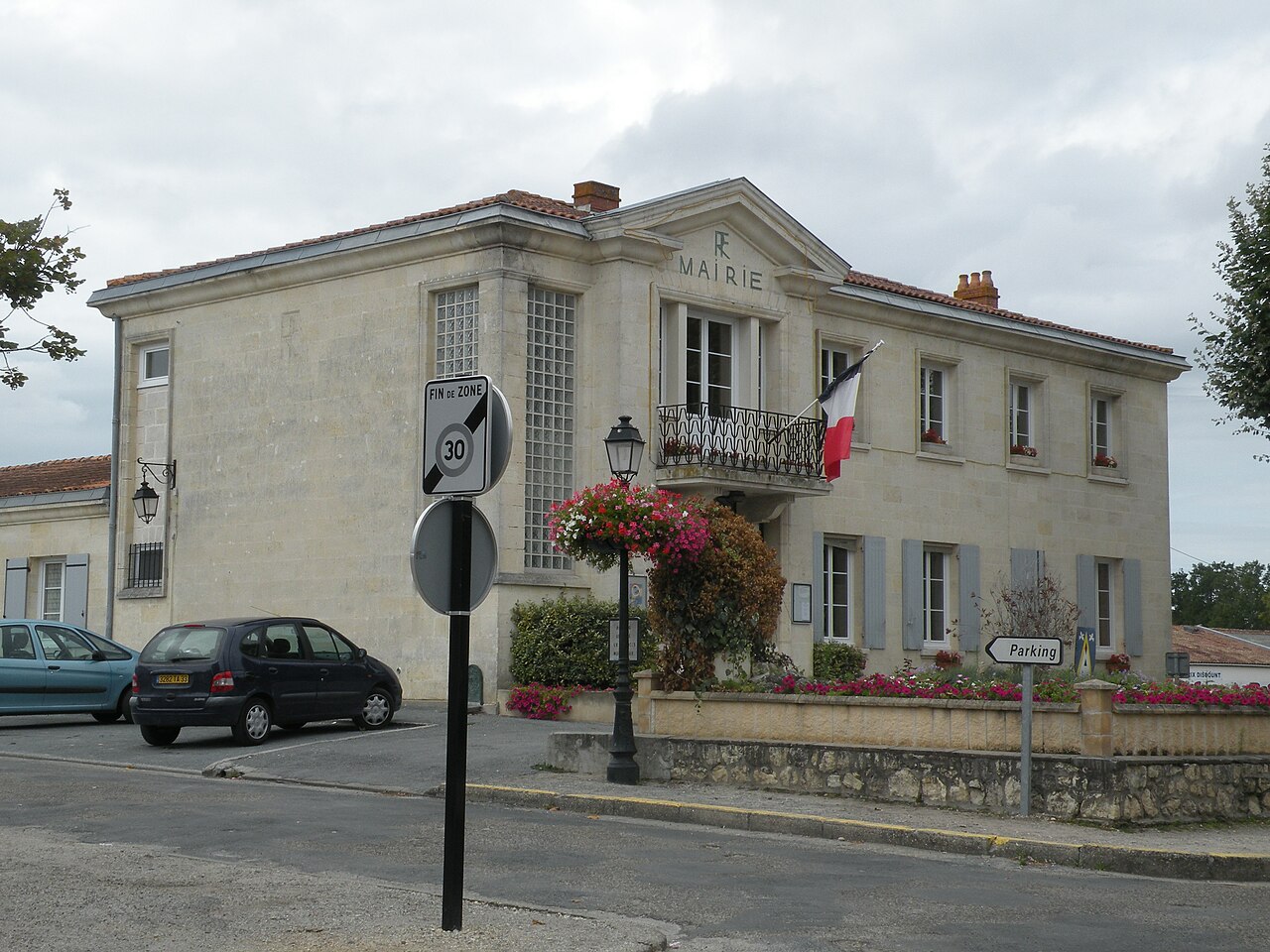

Geography and landscape
The setting combines low-lying farmland, patches of pine forest and proximity to the Gironde estuary and Atlantic influences. Soils and the mild oceanic climate make the area suitable for mixed agriculture and, in places, vineyards associated with the greater Médoc wine territory. Wetlands and minor streams occur locally, and the pattern of fields, lanes and hamlets gives Saint-Vivien-de-Médoc a distinctly rural character.
History and name
The place name reflects a dedication to Saint Vivien, a Christian figure whose name marks a number of settlements in France. Like many villages in the Médoc, Saint-Vivien-de-Médoc has medieval roots and developed around agriculture, parish life and local manor farms. Its built heritage typically includes a parish church and older farmhouses, though the commune grew and adapted through modern agricultural change and rural reorganization.
Economy, culture and uses
Local life revolves around farming, small-scale viticulture where conditions allow, forestry and services that support residents and visitors. Tourism is modest but present: travelers seeking countryside walks, nature observation or access to nearby Atlantic beaches may use the commune as a base. Community events and traditional fêtes punctuate the year and reflect regional Médoc customs.
Administration and connections
The commune is administered under the structures typical of French municipal government and sits within the wider Gironde administrative network. It is connected by local roads to neighbouring villages and larger towns in the department, allowing access to regional centres for commerce, education and transport hubs.
Notable facts and distinctions
- Part of the broader Médoc landscape famed for viticulture and a mix of estuarine and Atlantic influences.
- Rural character with an economy focused on agriculture and small-scale tourism.
- Close administrative and cultural ties to the Gironde area and the departmental authorities (department).
- Situated in southwestern France, it benefits from the region's temperate climate and natural scenery.
Related articles
Author
AlegsaOnline.com Saint-Vivien-de-Médoc — commune in the Médoc region of Gironde Leandro Alegsa
URL: https://en.alegsaonline.com/art/86257