
Saint-Sauveur-de-Puynormand
Small rural commune in the Gironde department of southwestern France, located in the historic Aquitaine area and the modern Nouvelle-Aquitaine region; noted for countryside character and local heritage.
Saint-Sauveur-de-Puynormand is a small commune in southwestern France. It lies within a region long associated with rural life, mixed farming and viticulture. The village serves as a local center for surrounding hamlets and agricultural land, with built heritage that typically includes a parish church and traditional houses.
Image gallery
1 Image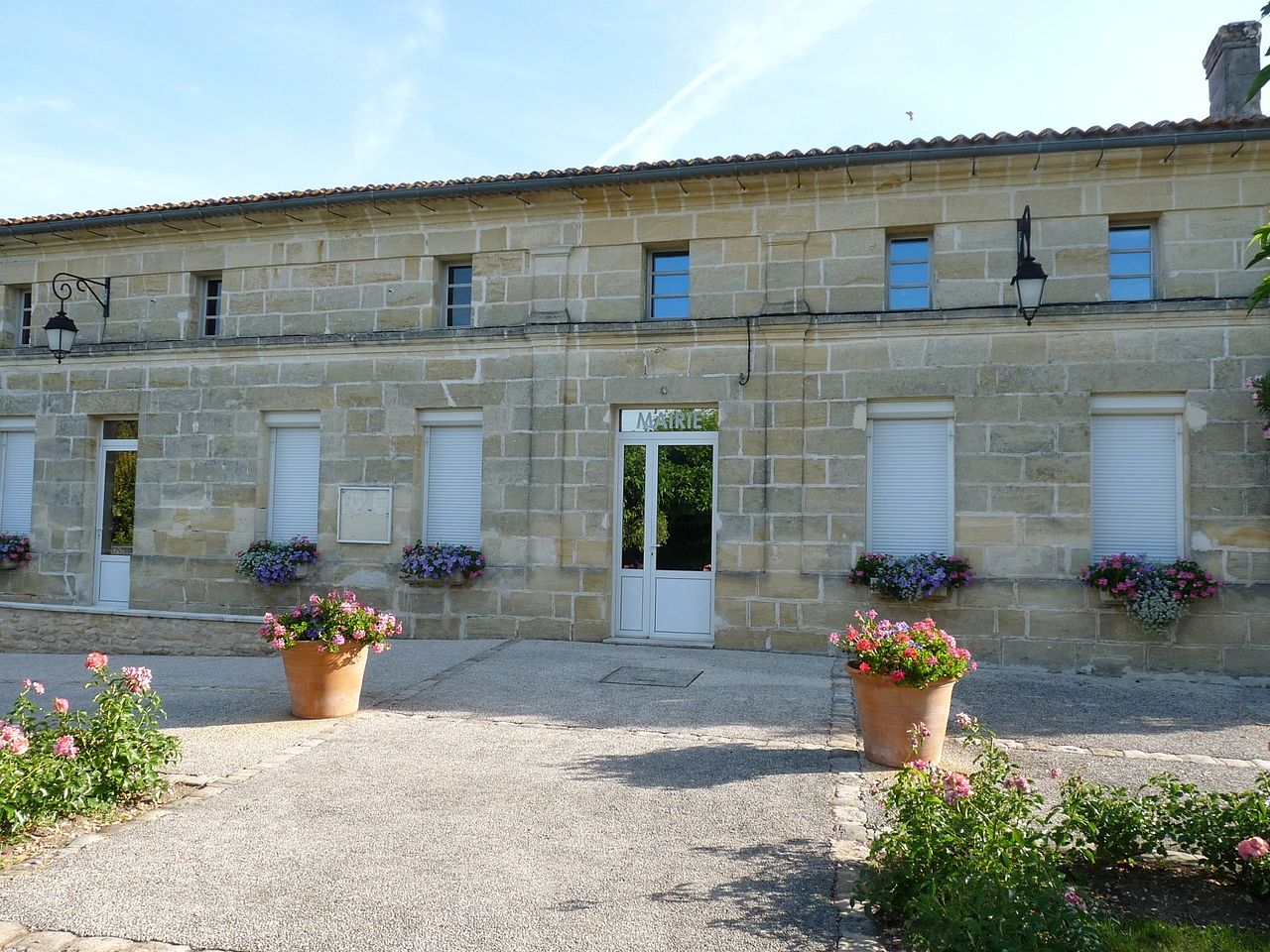
Location and landscape
The commune is situated in Nouvelle-Aquitaine, part of the wider historical area often referred to as Aquitaine. Administratively it belongs to the Gironde department, a territory noted for river valleys, rolling hills and extensive vineyard zones. The immediate landscape combines farmland, small woods and country lanes that connect to larger towns.
History and name
The place name reflects a Christian patronage: 'Saint-Sauveur' meaning Holy Savior, with 'Puynormand' likely referring to a local geographic feature or a family name of medieval origin. Like many small French communes, its origins can be traced to medieval settlement patterns centered on a church or manor, later evolving through agrarian changes.
Economy, culture and points of interest
Economic life is typically rural: mixed agriculture, some vineyards and small-scale local services. Community life often revolves around annual fêtes, a village hall and the church. Visitors find quiet lanes, traditional stone houses and occasional local producers offering regional food and wine specialties.
Administration and access
As a French commune it has a municipal council and mayor responsible for local services and planning. It is connected by departmental roads to nearby towns and regional centers in Gironde's administrative network, and by extension to broader transport links serving southwestern France. The commune typifies the small-scale local governance that structures rural life in the region.
- Typical features: parish church, village square, agricultural surroundings.
- Common activities: farming, local festivals, rural tourism.
- Useful for readers: understanding small-commune administration and regional context.
Related articles
Author
AlegsaOnline.com Saint-Sauveur-de-Puynormand Leandro Alegsa
URL: https://en.alegsaonline.com/art/86166