
Saint-Menoux (Allier, France)
Saint-Menoux is a small rural commune in the Allier department of central France, noted for local heritage, village life, agricultural landscape and links to regional history and traditions.
Saint-Menoux is a small administrative commune located in the heart of France. It lies within the Allier department, an inland territory known for its rolling countryside and rural towns. The commune is part of the broader central French landscape and cultural area often associated with the historic province of Auvergne and today the Auvergne-Rhône-Alpes region.
Image gallery
2 Images
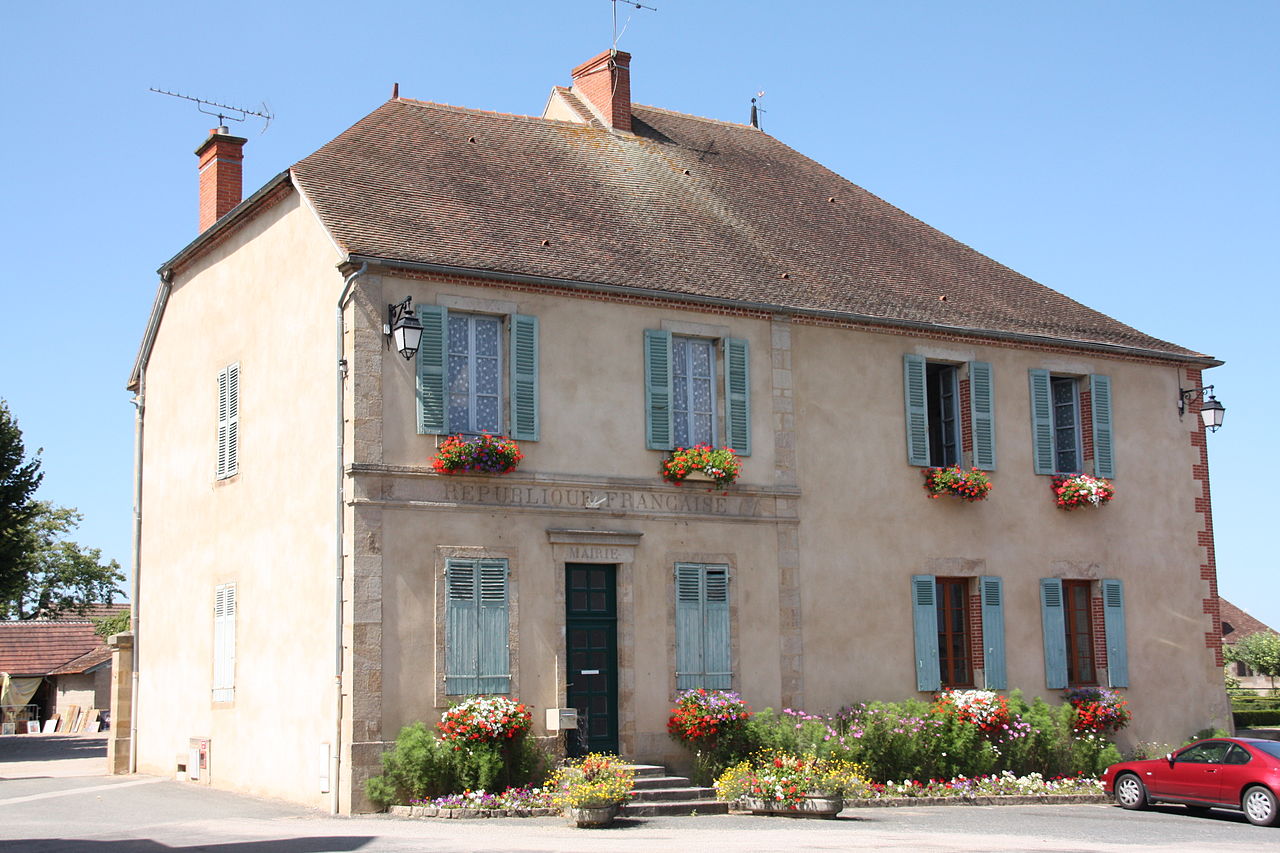
Geography and administration
The village occupies a modest footprint typical of rural French communes and is governed by a municipal council and mayor under the French local government system. Saint-Menoux's setting is characterised by farmland, small woodlands and scattered hamlets, reflecting the agrarian economy that remains important to the locality.
History and name
The place name recalls a local Christian dedication: the civil name derives from a saint venerated in the area, and the settlement grew around ecclesiastical and agricultural functions in medieval centuries. Local archives and traditions document a long rural history, with changes in land use and population similar to other communities in this part of France.
Heritage and notable features
- Parish church and religious heritage preserved in the village center
- Traditional rural architecture and farmsteads
- Seasonal local events, markets and community festivals that sustain village life
Visitors and residents value Saint-Menoux for its quiet character, local heritage and access to regional routes into central France. Practical information about the commune and services can be found through departmental or municipal resources; for a general departmental overview see departmental information and for broader regional context consult resources on central France.
As with many rural communes, Saint-Menoux illustrates wider themes of French local history: continuity of rural traditions, adaptation to administrative reforms, and an emphasis on preserving local identity within a regional and national framework.
Related articles
Author
AlegsaOnline.com Saint-Menoux (Allier, France) Leandro Alegsa
URL: https://en.alegsaonline.com/art/85974
Sources
- insee.fr : INSEE