
Balsam Lake, Wisconsin — Village and County Seat of Polk County
Balsam Lake is a small village in Polk County, Wisconsin, serving as the county seat. It is known for its lakeside setting, local government functions, and recreational opportunities.
Overview
Balsam Lake is a village in Polk County in the U.S. state of Wisconsin. It functions as the county seat and acts as a local center for government services and community life in the surrounding rural area. The village sits beside a lake of the same name and has long attracted residents and visitors who enjoy waterside small-town living.
Image gallery
5 Images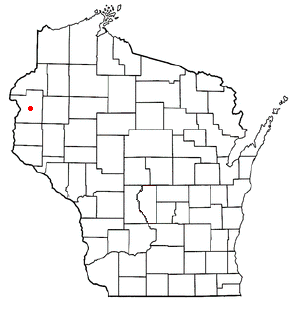


Geography and environment
The community occupies land around Balsam Lake and includes shorelines, modest residential neighborhoods, and public green spaces. The local landscape is typical of northern temperate lake country: mixed woods of conifer and deciduous trees, wetlands in low-lying areas, and freshwater habitats that support fish and waterfowl. Seasonal changes are pronounced, with warm summers for boating and cold winters that support ice-related activities.
History and name
The village developed in the 19th and early 20th centuries as settlement expanded into Polk County. The name Balsam Lake likely refers to balsam fir or similar evergreen trees that once grew near the water’s edge. Over time the community grew into a modest civic center, hosting county offices and services that serve a wider rural population.
Population, government, and services
Balsam Lake has the character of a small Midwestern village. It reported a population of about 950 residents at the 2000 census (2000 census); more recent figures are gathered in later censuses and estimates. As the county seat (county seat), it contains administrative buildings and courts that serve Polk County residents.
Economy, recreation, and local life
The local economy combines public-sector employment with small businesses, retail services, and tourism linked to outdoor recreation. Popular activities include boating, fishing, hiking, and seasonal events on and around the lake. Visitors and residents alike use local parks, marinas, and community facilities for leisure and social gatherings.
Distinguishing notes
Balsam Lake is part of the broader regional fabric of the state and the United States, offering a blend of lakefront scenery and civic functions uncommon in villages of its size. For practical information, local government pages and county resources provide up-to-date details on services, events, and development initiatives in and around the village. Additional background and planning documents are available through county and state portals linked from local sites.
- Common activities: boating, fishing, community festivals
- Role: administrative center and lakeside community
- Environment: mixed forests and freshwater habitat
Related articles
Author
AlegsaOnline.com Balsam Lake, Wisconsin — Village and County Seat of Polk County Leandro Alegsa
URL: https://en.alegsaonline.com/art/8587
Sources
- geonames.usgs.gov : "US Board on Geographic Names"
- factfinder.census.gov : "American FactFinder"