
Saint John (U.S. Virgin Islands)
Smallest of the three main U.S. Virgin Islands, Saint John is known for protected national parkland, white-sand beaches, and a tourism-based economy centered on Cruz Bay and historic plantation sites.
Overview: Saint John is an island in the Caribbean and a district of the United States Virgin Islands. Its approximate coordinates are 18°20′N, 64°44′W. At roughly 50.8 km² (19.6 sq mi), it is the smallest of the three primary U.S. Virgin Islands and lies a few miles east of Saint Thomas and south‑west of Tortola. The surrounding waters form part of the broader Caribbean Sea.
Image gallery
10 Images


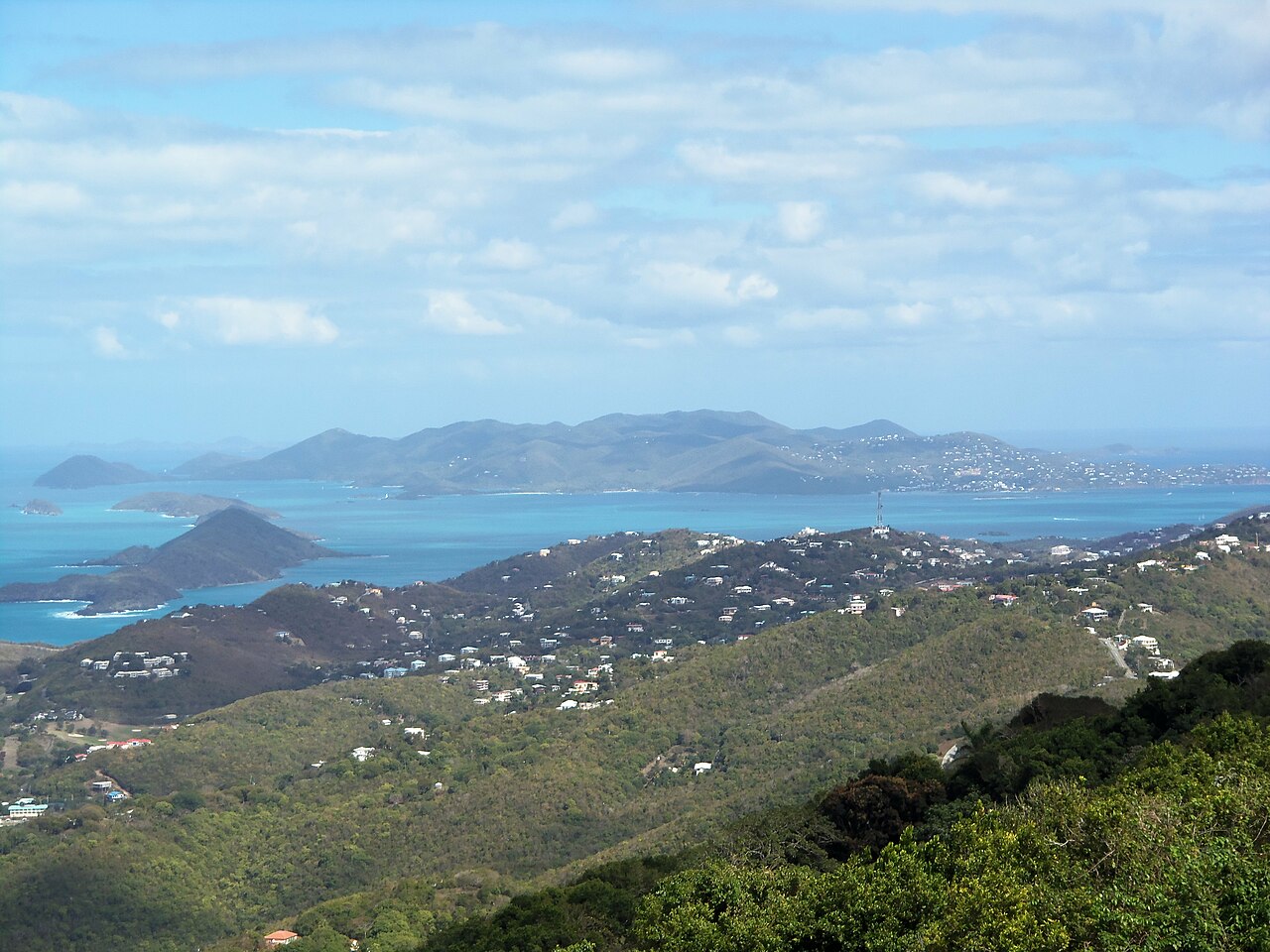


Geography and environment
Much of Saint John’s interior is hilly and covered by tropical forest. A large portion of the island—managed as Virgin Islands National Park—preserves beaches, coral reefs, and historic sites, limiting large-scale development. The shoreline features sandy coves, rocky points, and accessible snorkeling sites.
History and culture
Indigenous peoples inhabited the island before European contact. During the colonial era it was part of the Danish West Indies and developed plantations worked by enslaved people; ruins of sugar estates and windmills remain scattered across the island. In 1917 the islands were transferred to U.S. sovereignty and now form part of the United States Virgin Islands.
Administration, population and access
The primary settlement and ferry terminal is Cruz Bay, which serves as the gateway for visitors. Saint John has a small, largely residential population (around four thousand according to earlier counts) that is supplemented by seasonal tourists. The island has no major airport; most travelers arrive by ferry from St. Thomas or by sea from neighboring islands, including Tortola.
Economy and recreation
Tourism is the dominant economic activity, focused on beaches, hiking trails, snorkeling and diving. Noted sites include Trunk Bay, Cinnamon Bay and Maho Bay, as well as miles of park trails and historic plantation ruins. Local businesses in Cruz Bay provide accommodations, restaurants and excursion services for visitors arriving from other islands.
Notable facts and distinctions
- Saint John is the least developed of the main U.S. Virgin Islands due to extensive protected parkland.
- Residents are U.S. citizens; the territory uses the U.S. dollar and has a unique political status within the United States.
- Its natural and cultural resources make it a focal point for conservation and sustainable tourism in the region.
For navigation and mapping references see the island entry or regional guides: the island is often listed as a distinct entity within Caribbean travel resources and government materials about the island group and surrounding sea.
Related articles
Author
AlegsaOnline.com Saint John (U.S. Virgin Islands) Leandro Alegsa
URL: https://en.alegsaonline.com/art/85748
Sources
- census.gov : census.gov