
Saint-Hippolyte, Haut-Rhin
Saint-Hippolyte is a commune in the Haut-Rhin department of eastern France, in the historic Alsace region. It is known for its scenic setting, local viticulture, historic centre and regional tourism.
Overview
Saint-Hippolyte is a commune in the Haut-Rhin administrative department and lies within the Grand Est region of eastern France. Historically part of Alsace, the village functions as a small local municipality (commune) and is identified by the rural character and cultural ties typical of the area.
Image gallery
10 Images



Geography and economy
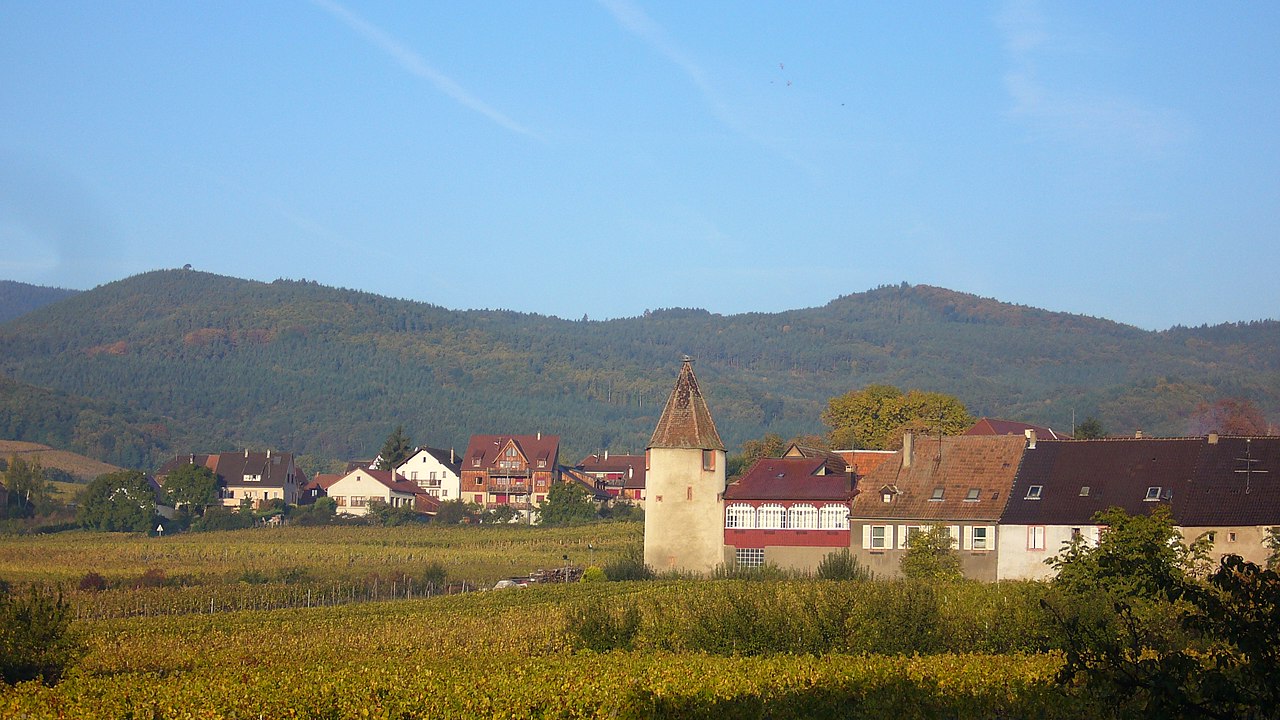
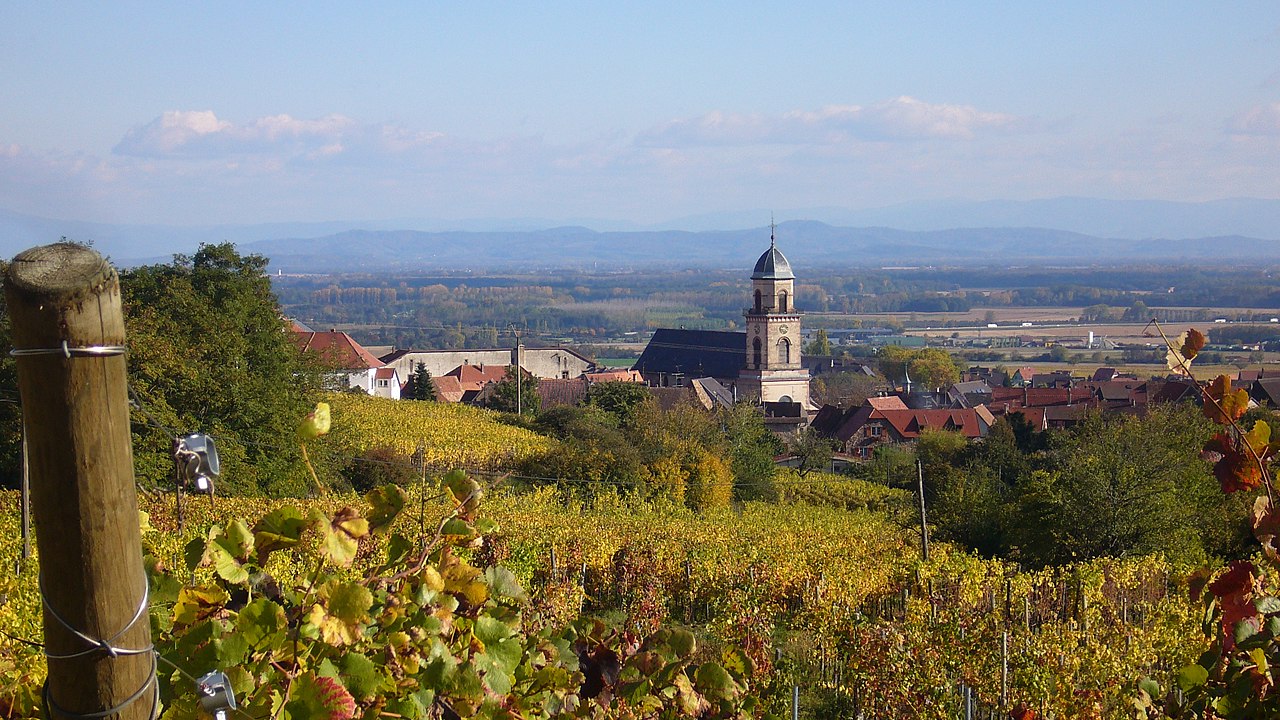
The commune sits in the transition zone between the plain of Alsace and the lower slopes of the Vosges mountains, giving it a varied landscape of orchards, vineyards and mixed farmland. Local economic activity commonly includes viticulture, small-scale agriculture and services catering to residents and visitors. The area is associated with the wider Alsace wine region, where grape varieties like Riesling, Gewürztraminer and Pinot Gris are widely cultivated.
History and built environment
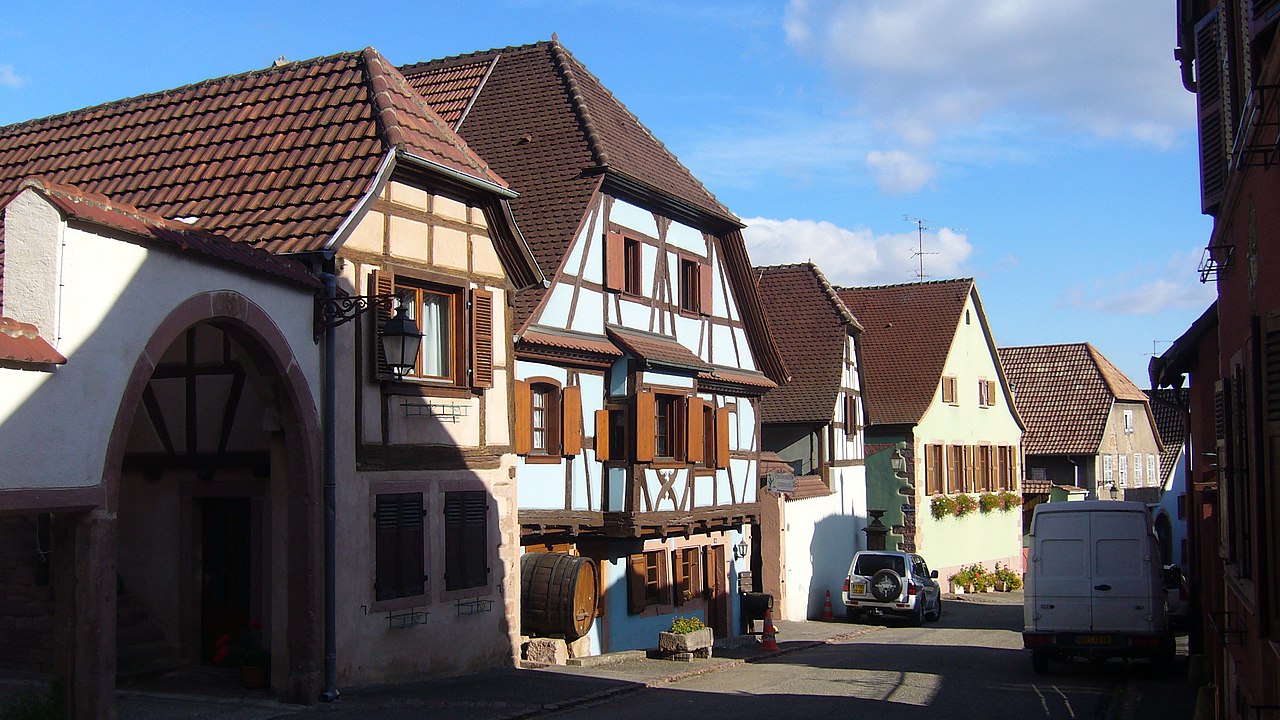
Saint-Hippolyte has a historical core that reflects medieval and early modern settlement patterns: narrow streets, a parish church and buildings that document centuries of local life. Like many communes in Haut-Rhin the village shows architectural influences from both French and German traditions, a heritage shaped by the shifting political border in Alsace over time.
Culture and tourism
The village attracts visitors interested in rural Alsace: wine itineraries, scenic drives into the Vosges foothills and nearby cultural sites. Regional landmarks such as castles and fortified sites can be reached from the commune, and local festivals, markets and tasting events illustrate the area's culinary and viticultural tradition. Practical information for visitors is typically available from municipal sources or regional tourism offices.
Administration and links
Administratively, Saint-Hippolyte is governed as a French commune within the Haut-Rhin department. Further official information can be found through departmental and regional resources: see links to local and departmental pages for governance, statistics and services (Haut-Rhin, departmental information). Additional cultural and travel guidance is available from regional portals (regional tourism).
Notable facts: The commune exemplifies the blend of wine culture, rural landscapes and Franco-German heritage that characterizes much of Alsace, making it representative of the broader Haut-Rhin identity.
Related articles
Author
AlegsaOnline.com Saint-Hippolyte, Haut-Rhin Leandro Alegsa
URL: https://en.alegsaonline.com/art/85695