
Saint-Antoine, Gironde (former commune)
Saint-Antoine was a small former commune in the Gironde department of southwestern France, merged into the new commune Val-de-Virvée on 1 January 2016. Overview, geography, history and local context.

Saint-Antoine was a small administrative commune located in the Gironde department in the historic Aquitaine area of southwestern France. It functioned as a basic local government unit until the start of 2016, when it was merged into the newly created commune of Val-de-Virvée. The settlement exemplified many modest rural communities found across this part of France.
Image gallery
2 Images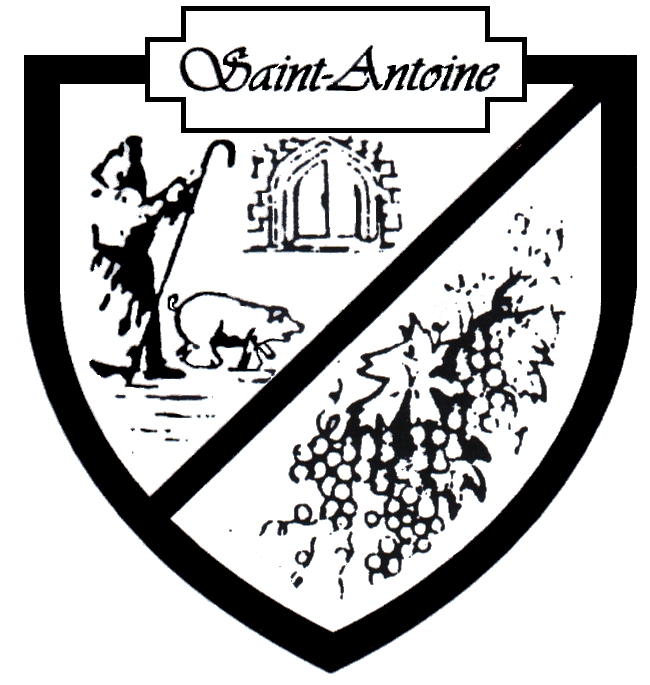

Location and characteristics
Saint-Antoine lay within the wider region historically known as Aquitaine, now part of the Nouvelle-Aquitaine administrative region. Administratively it belonged to the Gironde department and was one of many small communes referenced in national registers as a local territorial division (commune). The area is situated in the southwest of the country, a region noted for a mix of agricultural land, forests and proximity to larger urban centers in the department.
History and administrative change
Like numerous small French communes, Saint-Antoine experienced reorganisation aimed at improving local services and governance. On 1 January 2016 it ceased to exist independently and was incorporated into Val-de-Virvée, a merger that reflects a broader national trend of combining small communes to pool resources and streamline administration. Records and legal acts related to such changes are maintained by departmental authorities and national registries (regional sources).
Local life and economy
The local economy was typical of the Gironde's rural zones: mixed farming, small-scale enterprises and links to regional markets. The broader Gironde area is well known for viticulture and agricultural production, and small communes like Saint-Antoine often share cultural and economic ties with nearby vineyards, markets and towns.
Significance and notable facts
- Representative of the many small communes that make up rural France and its layered administrative history.
- Its merger into Val-de-Virvée on 1 January 2016 is an example of territorial reform affecting local identity and governance.
- Further administrative and historical details can be located through departmental and regional resources (department, Gironde).
For maps, demographic figures and official documents about the merger and the former commune's boundaries consult local government publications and regional archives (local commune records, regional archives, historical summaries).
Related articles
Author
AlegsaOnline.com Saint-Antoine, Gironde (former commune) Leandro Alegsa
URL: https://en.alegsaonline.com/art/85373