
Rzeszów — regional capital in southeastern Poland
Rzeszów is a city in southeastern Poland on the Wisłok River. It is the capital of Podkarpackie Voivodeship and an economic, academic and transport hub with medieval origins and modern industry.
Rzeszów is a city in the southeast of Poland, situated on the Wisłok (Wislok) River. It serves as the administrative center of the Podkarpackie (Subcarpathian) Voivodeship and is a significant regional hub for commerce, education and transport. The town has medieval roots and a compact historic core that contrasts with larger, newer industrial and residential districts that developed in the 20th and 21st centuries.
Image gallery
10 Images


Geography and population
Rzeszów lies in the foothills of the Carpathian Mountains, which shapes its climate and local landscape. The city grew along the river valley and expanded outward across low hills and plains. Population numbers have risen in recent decades: the source figure of 170,722 (2008) is often cited, while later estimates show continued growth as the city attracts students and workers. The city is also known by alternative historical names and local-language forms, for example the Ukrainian form Ряшів.
History and development
Rzeszów began as a medieval settlement and evolved over centuries as a market town and local administrative center. Like much of southeastern Poland, it experienced shifts in sovereignty and economic direction, including a period within the Austrian-ruled province of Galicia. The 20th century brought industrialization, wartime disruption and postwar reconstruction; after 1990 the city expanded its service sector, higher education and technology clusters.
Economy, education and transport
The modern local economy blends manufacturing, services and a growing aerospace and high-technology sector often described as part of a regional aviation cluster. Rzeszów hosts public universities and technical schools that supply a skilled workforce. Important transport links include regional rail connections, road arteries and Rzeszów–Jasionka Airport, which handles both passenger and cargo flights and links the area with domestic and European destinations.
Culture, landmarks and civic life
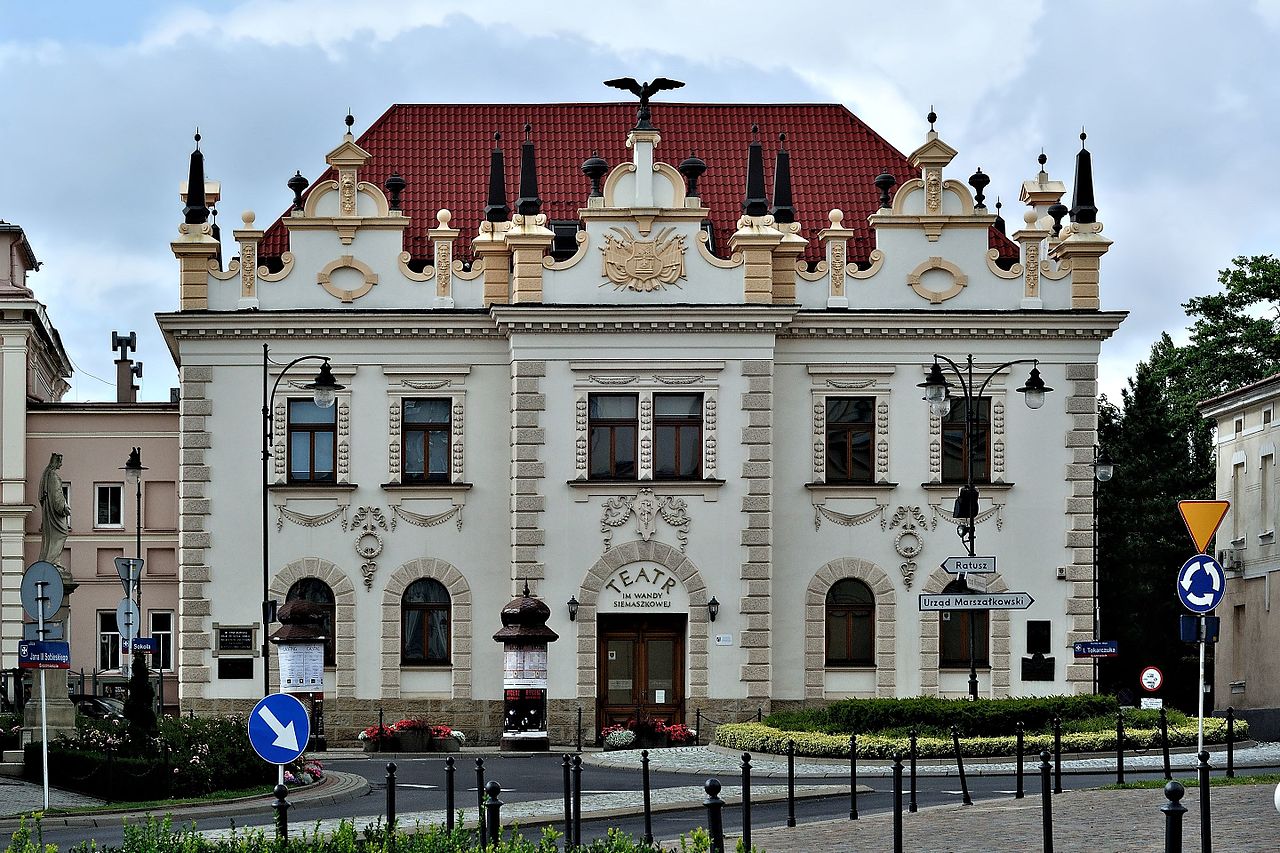
The city retains a historic market square and Old Town area with civic buildings, churches and a castle complex that reflect various architectural periods. Cultural life includes theaters, museums and festivals that draw visitors from the region. Green spaces, riverfront promenades and nearby natural areas make Rzeszów a base for exploring the Subcarpathian countryside and cultural heritage.
Notable facts and further reading
- Administrative capital of Podkarpackie Voivodeship and a regional economic center.
- Located on the Wisłok River, with medieval origins and a compact historic core.
- Population figures are commonly cited from different years; an older figure is 170,722 (2008) — see demographic sources for updates: population data.
For an introduction and maps, consult regional resources and city guides that describe current services, institutions and travel information. Many visitors and new residents discover Rzeszów as a practical gateway to the Carpathian region as well as a lively local center of education, business and culture.
Related articles
Author
AlegsaOnline.com Rzeszów — regional capital in southeastern Poland Leandro Alegsa
URL: https://en.alegsaonline.com/art/85007