
Arrangement (music): reworking compositions for different forces
An arrangement adapts a musical work for different instruments, voices, or contexts. This article explains types, techniques, history, purposes, and practical examples of musical arrangement.
An arrangement in music is a deliberate reworking of an existing composition so it can be performed by a different instrument or ensemble, or for a different performance situation. Arranging can be minimal — changing only the clef or octave — or extensive, involving reharmonization, new textures, or altered form. An arranger may be the original composer or another musician; the result can preserve the original's musical identity, emphasize new colors, or change the style altogether. Arrangements make repertoire more accessible to performers and audiences who do not have the exact original forces at hand and allow music to circulate in new cultural and commercial contexts. Historically and today, arranging plays a key role in education, theatre, commercial music, and classical performance practice. Examples range from adapting a solo song for a choir to transcribing a melody written for violin so it can be played on a wind instrument.
Image gallery
10 Images


Forms, techniques and common practices
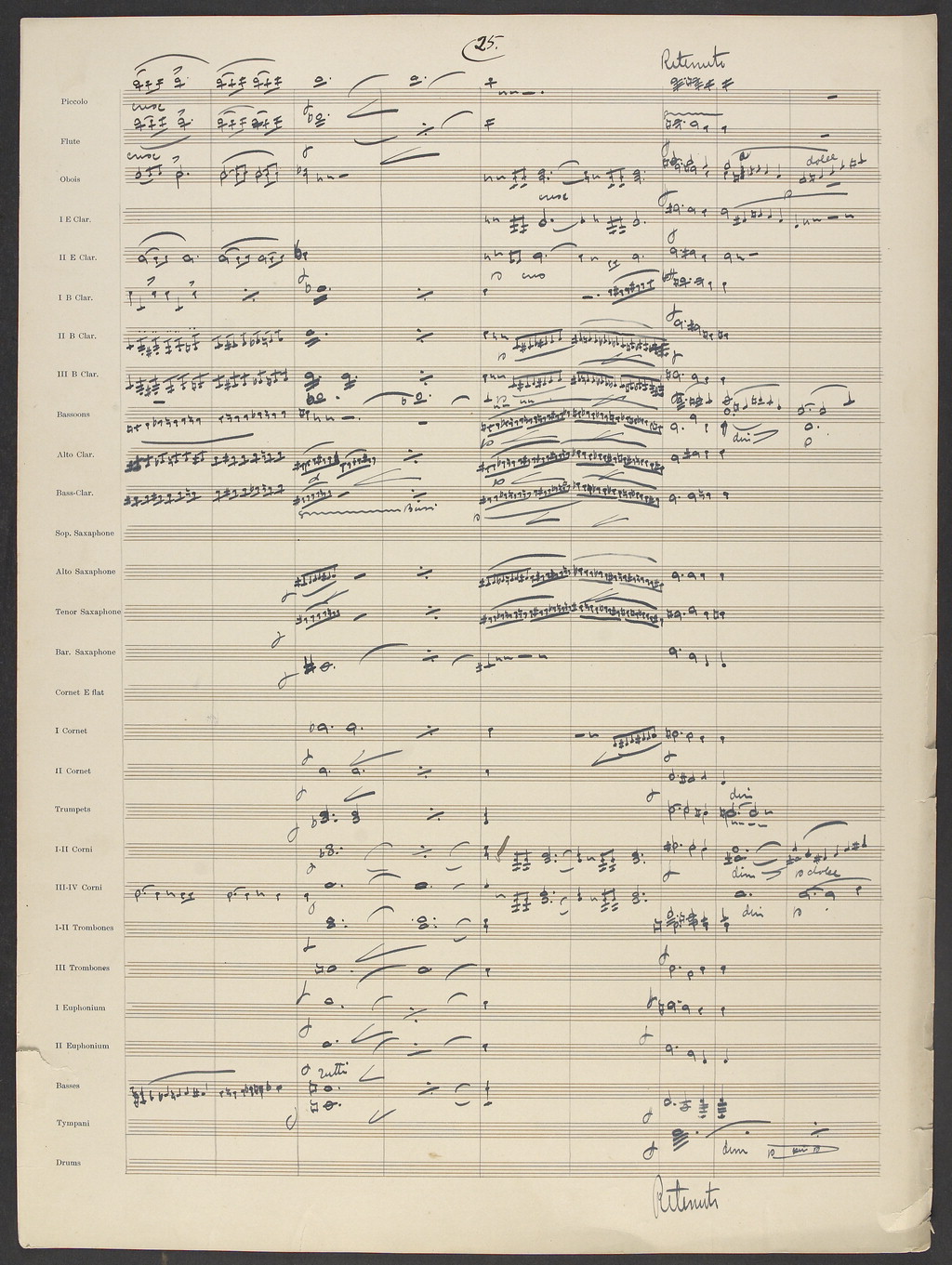
Arranging covers a spectrum of techniques. A straightforward transcription maps notes from one instrument to another with as few changes as possible. An orchestration enlarges or redistributes musical material across an ensemble. A reduction compresses many orchestral lines into a playable piano part for piano used in rehearsals. Other approaches include reharmonization (changing the chords while keeping the melody), paraphrase (decorating or elaborating a theme), and style adaptation (for example, creating a jazz or pop version). Practical considerations include range, timbre, technical possibilities of instruments, and idiomatic writing — for example, accommodating differences between cello and viola parts, or choosing suitable keys when transposing for a concert instrument whose comfortable key differs from the original. Arrangers also address harmonic density and voicing so that important chords and counterpoint remain clear.
Common types of arrangement include:
- Instrumental transcriptions (moving a solo line from one instrument to another, e.g. violin to flute or recorder).
- Reductions for rehearsal or study (orchestral scores to piano).
- Vocal arrangements (adapting solo songs for choir or small ensembles).
- Stylistic adaptations (pop, jazz, film or movie uses, and theatre pit versions).
- Paraphrases and virtuoso showpieces that expand the original material for display.
Historical context and notable examples
Arranging is as old as written music. In the Renaissance, publications often indicated that a piece could be sung or played on instruments interchangeably: English composers publishing madrigals in the late 16th century sometimes noted that pieces were "apt for voices as for viols." During the Classical era, composers sometimes issued a sonata that could be played on several solo instruments to broaden sales and practical use, with performers of violin, flute or recorder all able to read the same music. Johann Sebastian Bach famously adapted works by other composers: he arranged several of Antonio Vivaldi's concertos for keyboard so they could be played at the organ or harpsichord and studied by keyboard students.
Later, some composers reorchestrated or reworked earlier masters. Mozart made editorial and orchestrational adjustments to older works (including additions of winds such as clarinets where they were not originally scored) to suit contemporary tastes and performing forces. In the nineteenth century and beyond, figures such as Rimsky-Korsakov reorchestrated operas by predecessors (including revising operas by Mussorgsky) with the intention of clarifying textures or using modern instruments. At the other end of the spectrum, popular tunes and classical themes have been given countless adaptations—The Flight of the Bumblebee, for instance, exists in published or informal arrangements for violin, xylophone, tuba and many other solo instruments.
Purposes, educational value and social uses
Arrangements serve practical, pedagogical and creative needs. Performers on instruments with limited original repertoire — players of viola, guitar or tuba — often arrange music to expand their available repertoire. Teachers use arrangements to present well-known works at appropriate technical levels. Arranging is a common learning tool for composers and students who study harmony, counterpoint and orchestration by reworking existing models. Practical circumstances also drive arrangements: when a choir prepares a large choral-orchestral work, the orchestra part is often reduced for a single accompanist so singers can rehearse without the full orchestra. Need and convenience explain why so many editions and versions of pieces exist.
Arrangements can also be motivated by accessibility or special circumstances. Musicians sometimes adapt music because of physical constraints or disabilities: historical examples include pianists who adapted solo repertoire for one hand or collaborative formats like piano duets arranged for three hands. In popular culture, arrangers provide versions for film, stage and broadcast, creating idiomatic settings for a scene or a commercial audience. Such transformations—whether conservative, like faithful transcriptions, or inventive, like jazz reinterpretations—raise questions about authenticity and taste, yet they are central to how music lives and evolves.
Understanding arrangement involves appreciating both the technical choices an arranger makes—range, transposition, voicing and texture—and the cultural context in which a new version will be heard. The practice unites craftsmanship with creativity: it preserves and extends musical works, enabling them to be performed in circumstances their originators could not have anticipated. For further reading on techniques and historical examples, explore resources on performance practice, orchestration and the histories of specific instruments and genres.
choir violin English madrigals 16th century viols sonata flute recorder cello viola key chords xylophone tuba piano rehearsals Johann Sebastian Bach concertos organ guitar repertoire orchestration Handel's Messiah clarinets operas disability piano duets movie theatre
Questions and answers
Q: What is an arrangement of a musical composition?
A: An arrangement of a musical composition is a reworking of a piece of music so that it can be played by a different instrument or combination of instruments from the original.
Q: Who typically makes arrangements?
A: The person who does the arrangement may be the composer themself, or it may be someone else.
Q: What did composers in music history often do with their compositions?
A: In music history, composers often published their compositions, saying that the music could be played or sung by various instruments.
Q: How did this help to sell more copies?
A: This helped to sell more copies because violinists, flautists and recorder players might all want to buy the music.
Q: Are there any changes made when arranging for different instruments?
A: When violin or cello music is arranged so that it can be played on a viola, some changes may be necessary as the viola may be playing in a different key, or some chords may be more awkward the way they were originally written.
Q: Why have many composers made arrangements of other people's compositions?
A: Many composers have made arrangements of other people's compositions in order to learn about musical composition and also so they can play it on another instrument.
Q: Are there any other reasons why arrangements are sometimes made?
A: Arrangements are sometimes made by people who play instruments that have not had much music written for them and also because musicians think they can improve works composed by others. Additionally, arrangements are sometimes made due to disabilities and also so well-known classical pieces sound more popular for movie or theatre performances.
Related articles
Author
AlegsaOnline.com Arrangement (music): reworking compositions for different forces Leandro Alegsa
URL: https://en.alegsaonline.com/art/5838