
Russian Compound, Jerusalem
Historic district in central Jerusalem established in the 19th century as a Russian pilgrims' compound; today a blend of religious buildings, former hostels and civic uses around Moscow Square.
The Russian Compound is a historic district in central Jerusalem that originated in the 19th century as a hub for Russian pilgrims. It occupies a cluster of buildings and open spaces west of the Old City and is anchored by a prominent Russian Orthodox church and a public plaza known as Moscow Square. The area has long been a meeting point between religious functions and secular urban life; visitors encounter churches, former pilgrim hostels and stone courtyards within walking distance of modern streets in central Jerusalem.
Image gallery
10 Images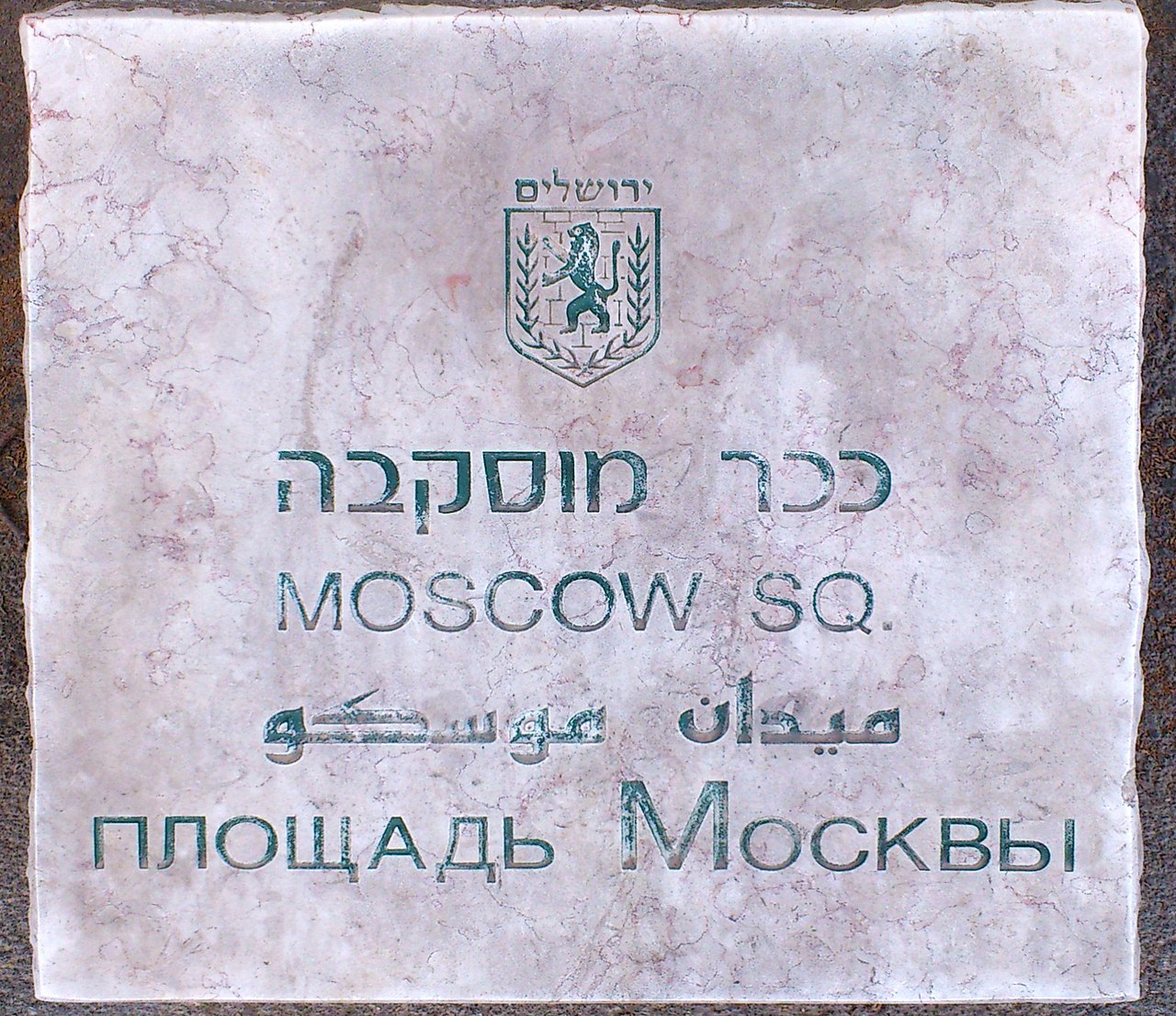


Layout and principal features
The compound's ensemble includes a large Orthodox church, residential wings and buildings that historically sheltered and serviced pilgrims. Over time some structures were adapted for administrative or civic roles while others became cultural venues, cafés and small hotels. The architecture shows masonry, domed roofs and façades that reflect 19th-century religious and institutional design influences. For general orientation see a local map and guide.
History and development
Developed in the late Ottoman period with funding and organization linked to Imperial Russia, the district served as a base for pilgrims travelling to Jerusalem. Known informally as the Russian Colony, it gradually expanded with additional buildings for lodging, worship and consular activity. During later political transitions the compound's uses shifted: some buildings were repurposed under different administrations, while others remained in religious hands. The area surrounding Moscow Square has been a focal point of these changes. See more on the Russian Colony background.
Today the site is valued for its layered history and urban role. It attracts tourists interested in religious heritage, architecture and the social history of pilgrimage. Local initiatives have aimed to balance conservation of historic fabric with contemporary uses, and some buildings house cultural institutions, small museums and community programs. The prominent church continues to serve worshippers and visitors alike as part of the compound's identity; information on the church is available at Russian Orthodox resources.
Notable aspects of the Russian Compound include:
- Its origin as a dedicated pilgrims' quarter established in the 19th century.
- The coexistence of religious, residential and administrative buildings around Moscow Square.
- The adaptive reuse of structures over successive political periods, reflecting Jerusalem's layered urban history.
Visitors often approach the compound on foot from nearby quarters; walking the stone alleys and squares gives a sense of its original function as a place of arrival, lodging and worship for Russian pilgrims, now integrated into the modern city fabric.
Related articles
Author
AlegsaOnline.com Russian Compound, Jerusalem Leandro Alegsa
URL: https://en.alegsaonline.com/art/84827