
Baldur Ragnarsson: Icelandic Poet, Educator and Voice in Esperanto Literature
Baldur Ragnarsson (1930–2018) was an Icelandic teacher and author who wrote mainly in Esperanto. He led literary activities in the World Esperanto Association and is best known for the collection La lingvo serena.
Overview
Baldur Ragnarsson (25 August 1930 – 25 December 2018) was an Icelandic educator and a prominent poet and author in the international Esperanto community. He produced original verse and prose in Esperanto and played an influential role in organizing and promoting Esperanto literature during the late 20th century. His best known single work is the collection La lingvo serena.
Image gallery
1 Image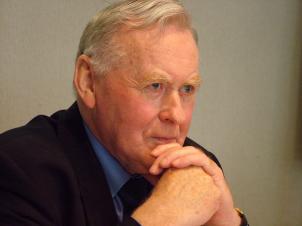
Life and career
Born in 1930, Ragnarsson pursued a career in education in Iceland, working as a teacher and later serving as a school superintendent. Alongside his professional duties he remained active in literary circles, writing, editing and participating in cultural projects that connected Icelandic literary traditions with the wider Esperanto readership. He lived much of his life in Reykjavík, where he also died in December 2018 at the age of 88.
Literary work and style
Ragnarsson published poetry and essays in Esperanto that reflect a concern for clarity of expression and a care for linguistic craft. His work is often praised within the Esperanto world for balancing accessibility with thoughtful attention to form and theme. The collection La lingvo serena brought him wide recognition among Esperantists and helped to highlight the capacity of Esperanto to carry subtle poetic ideas grounded in everyday life and cultural reflection.
Roles in the Esperanto movement
Beyond his own writing, Ragnarsson was active in organizational and editorial work within the global Esperanto movement. From 1975 to 1985 he directed the World Esperanto Association's literary contest, helping to evaluate and promote new writing in the language. He served as president of the organizing committee for the 1977 World Esperanto Congress held in Reykjavík and later held the post of vice-president of the World Esperanto Association. These positions placed him at the center of efforts to sustain and develop Esperanto literature and cultural exchange.
Recognition and legacy
Ragnarsson's contributions earned him international notice among Esperantists. Following the death of the Scottish Esperantist poet William Auld in 2006, Ragnarsson was among those proposed for recognition on a comparable stage; reports indicate he was nominated for the Nobel Prize in Literature after Auld's passing. While such nominations do not imply award, they reflect esteem from parts of the literary community. He is remembered for strengthening the literary infrastructure of Esperanto and for mentoring younger writers and translators within that world.
Selected aspects and further reading
- Major work: La lingvo serena, a collection that remains a reference point in Esperanto poetry.
- Organizational roles: directed the World Esperanto Association literary contest (1975–1985); president of the organizing committee for the 1977 World Esperanto Congress in Reykjavík (more on the congress); later served as vice-president of the association.
- Context: Ragnarsson's career illustrates the close ties between education, national culture and the international Esperanto movement; further material on Esperanto literature and history can be found through specialized sources (Esperanto literature resources).
Ragnarsson's life bridged local and global horizons: an Icelandic educator who chose an international auxiliary language as his principal literary medium and who worked to ensure that Esperanto remained a living vehicle for poetic expression and cultural exchange.
Related articles
Author
AlegsaOnline.com Baldur Ragnarsson: Icelandic Poet, Educator and Voice in Esperanto Literature Leandro Alegsa
URL: https://en.alegsaonline.com/art/8468
Sources
- everk.it : Announcement of Esperantlingva Verkista Asocio's Nobel nomination
- sezonoj.ru : Baldur Ragnarsson passed away (1930-2018)