
Rorschacherberg — municipality in the canton of St. Gallen, Switzerland
Rorschacherberg is a small German-speaking municipality in the Rorschach district of St. Gallen, Switzerland, located on the slopes above Lake Constance with a mix of residential areas, agriculture and woodland.
Overview
Rorschacherberg is a municipality in the district of Rorschach in the canton of St. Gallen in northeastern Switzerland. It occupies a hillside position overlooking Lake Constance (the Bodensee) and lies close to the town of Rorschach. The community is German-speaking and is part of the Swiss federal system of local government, with responsibilities for local planning, services and small-scale infrastructure. For formal information see the municipal website.
Image gallery
2 Images
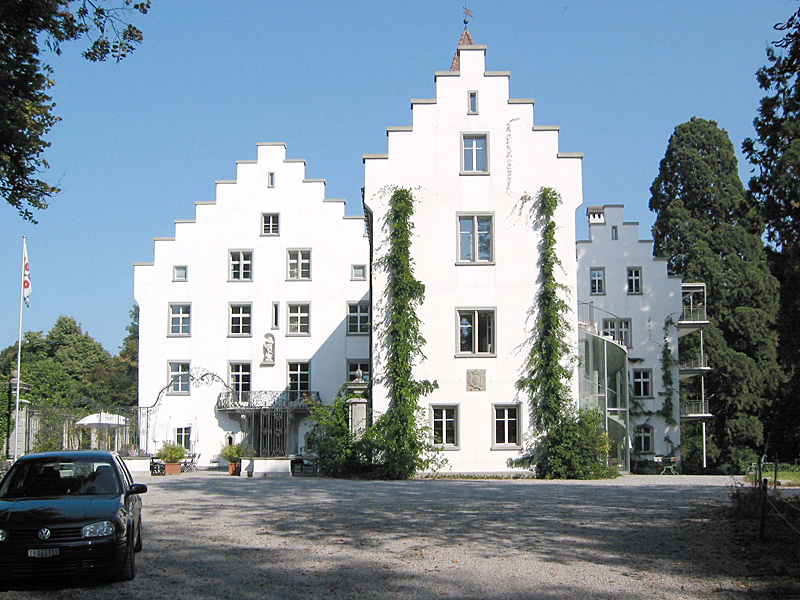
Geography and character
The municipality combines built-up residential zones with open countryside and wooded slopes. Its elevated location gives residents views toward the lake and, on clear days, toward the alpine chain. Land use typically includes housing, small businesses, farmland and patches of forest, making Rorschacherberg a mix of suburban and rural character. It is associated administratively with the Rorschach district.
History and development
Historically the area was rural, organized around hamlets and farms. Over the 19th and 20th centuries improved roads and regional transport links brought closer ties with lakeside towns and larger regional centres. Like many Swiss hill municipalities, Rorschacherberg evolved gradually from an agricultural base toward a community with commuters, local services and preserved natural areas.
Economy, transport and local life
Local life blends residential living with small enterprises, agriculture and outdoor recreation. Many inhabitants commute to nearby towns and cities for work, education and services. Public roads and regional transport connect the municipality to neighbouring centres and to the wider canton of St. Gallen. The setting near Lake Constance also supports recreational activities and tourism in the broader region of Switzerland.
Notable facts and practicalities
- Rorschacherberg is distinct from the lakeside town of Rorschach although closely linked by geography and administration.
- Its hillside position provides scenic viewpoints and access to walking routes.
- Municipal responsibilities include local planning, schools and community services typical of Swiss communes.
For further local details, historical records and administrative contacts consult the municipality's published resources or regional archives.
Related articles
Author
AlegsaOnline.com Rorschacherberg — municipality in the canton of St. Gallen, Switzerland Leandro Alegsa
URL: https://en.alegsaonline.com/art/84107
Sources
- bfs.admin.ch : "Arealstatistik Standard - Gemeinden nach 4 Hauptbereichen"
- bfs.admin.ch : "Ständige Wohnbevölkerung nach Staatsangehörigkeitskategorie Geschlecht und Gemeinde; Provisorische Jahresergebnisse; 2018"