
Roermond, city in Limburg, Netherlands
Roermond is a historic city in the Dutch province of Limburg, on the Meuse. Known for its medieval centre, cathedral, cross‑border location and a popular designer outlet, it serves as a regional cultural and commercial hub.
Overview

Image gallery
10 Images


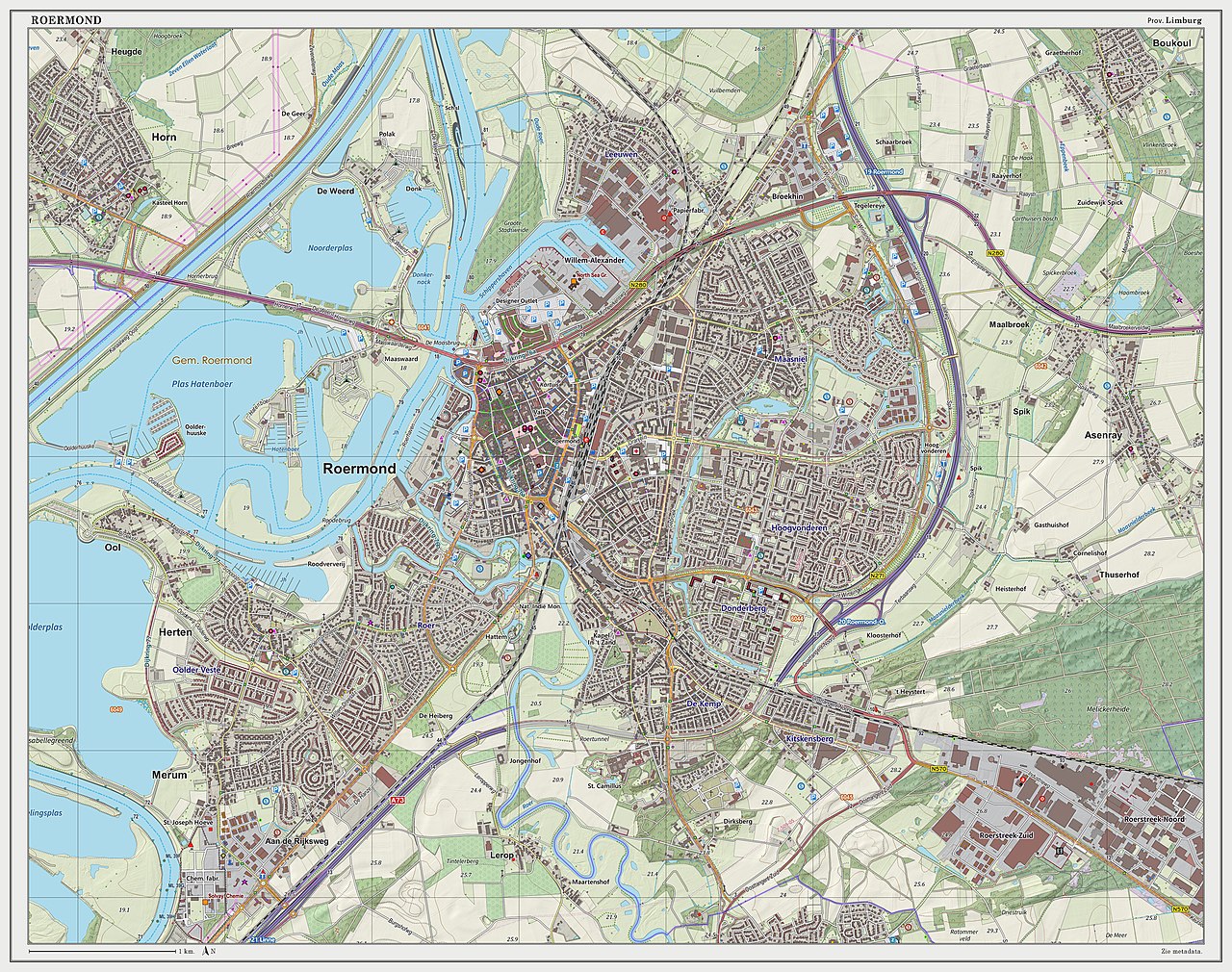


Geography and layout
Roermond lies on the Meuse (Dutch: Maas), which has shaped the town’s development and landscape. Its location near the German border places it within a cross‑border region where people commute and trade. The urban area includes residential neighbourhoods, industrial zones and green space along the river.
History and development
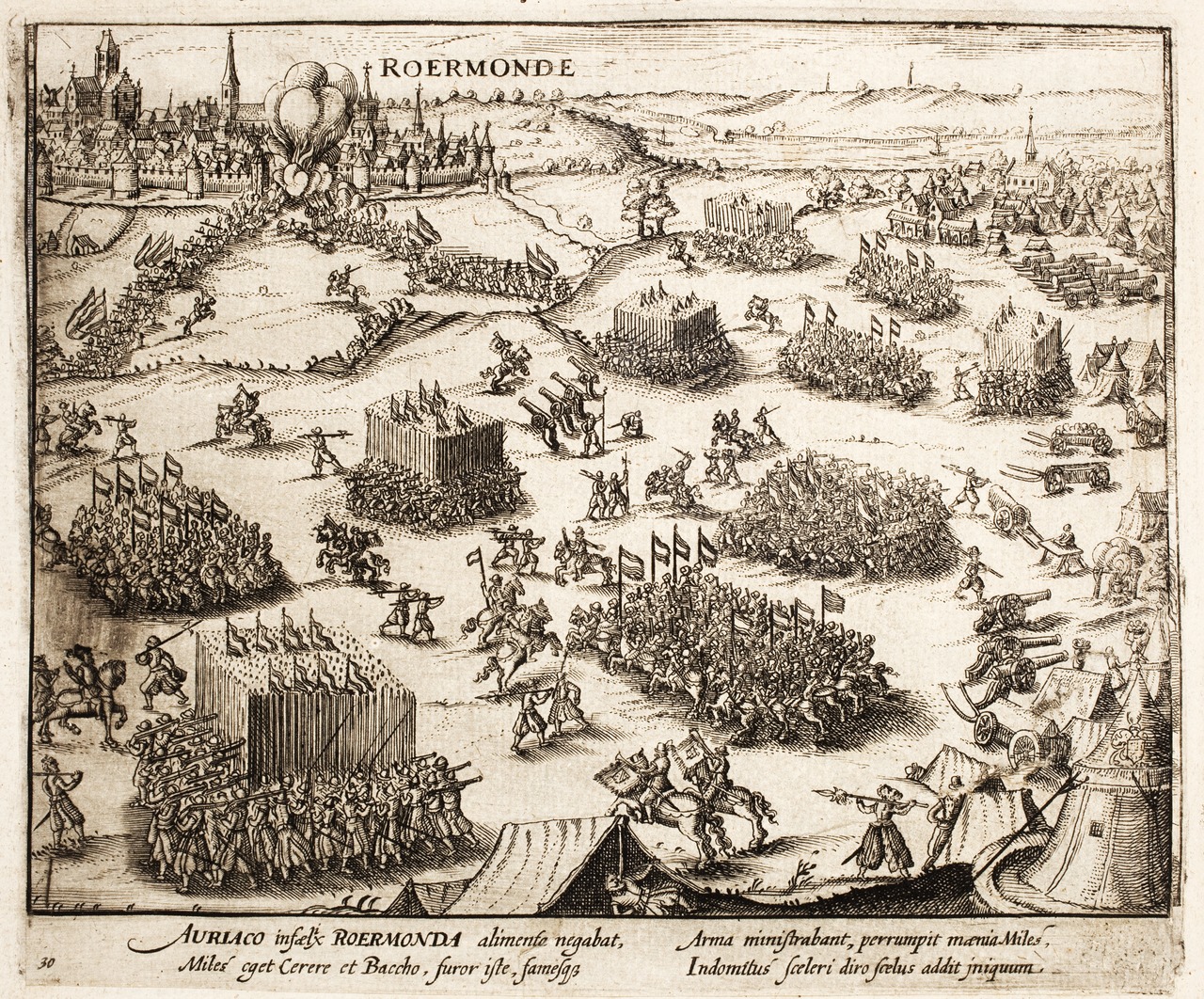
Roermond has medieval origins and grew as an ecclesiastical and market town. Over centuries it developed significant religious buildings and civic architecture. Like many towns in the region, Roermond experienced wartime damage in the twentieth century and subsequent reconstruction, while preserving or restoring notable historic structures.
Sights and culture

- Historic churches and cathedral‑style architecture
- Museums and galleries presenting local art and history
- Markets and seasonal cultural events in the central squares
- A popular designer outlet that attracts shoppers from the region
Economy, transport and role
Roermond’s economy mixes retail, services, light industry and tourism. The designer outlet near the centre draws international visitors and supports hospitality businesses. The city is accessible by road and rail, serving as a regional transport node with connections toward larger Dutch cities and across the border into Germany.
Municipal structure and notable facts
Roermond is the seat of its municipality; in recent administrative changes the neighbouring former municipality of Swalmen became part of Roermond in 2007. The city’s cross‑border location, preserved historic core and combination of cultural institutions and shopping make it a prominent urban centre in this part of Limburg.
Related articles
Author
AlegsaOnline.com Roermond, city in Limburg, Netherlands Leandro Alegsa
URL: https://en.alegsaonline.com/art/83675