
Rocky Mount, North Carolina
City in eastern North Carolina spanning Edgecombe and Nash counties. Historic mill town on the Tar River that evolved into a regional center for transportation, commerce, and cultural revitalization.
Rocky Mount is a city in the Atlantic coastal plain of North Carolina that lies in both Edgecombe County and Nash County. The community began as a transportation and industrial node along the Tar River and later grew around rail connections and textile mills. According to 2010 census data, the city's population was 57,685; like many regional cities, its size and composition have evolved with changing economic patterns.
Image gallery
10 Images
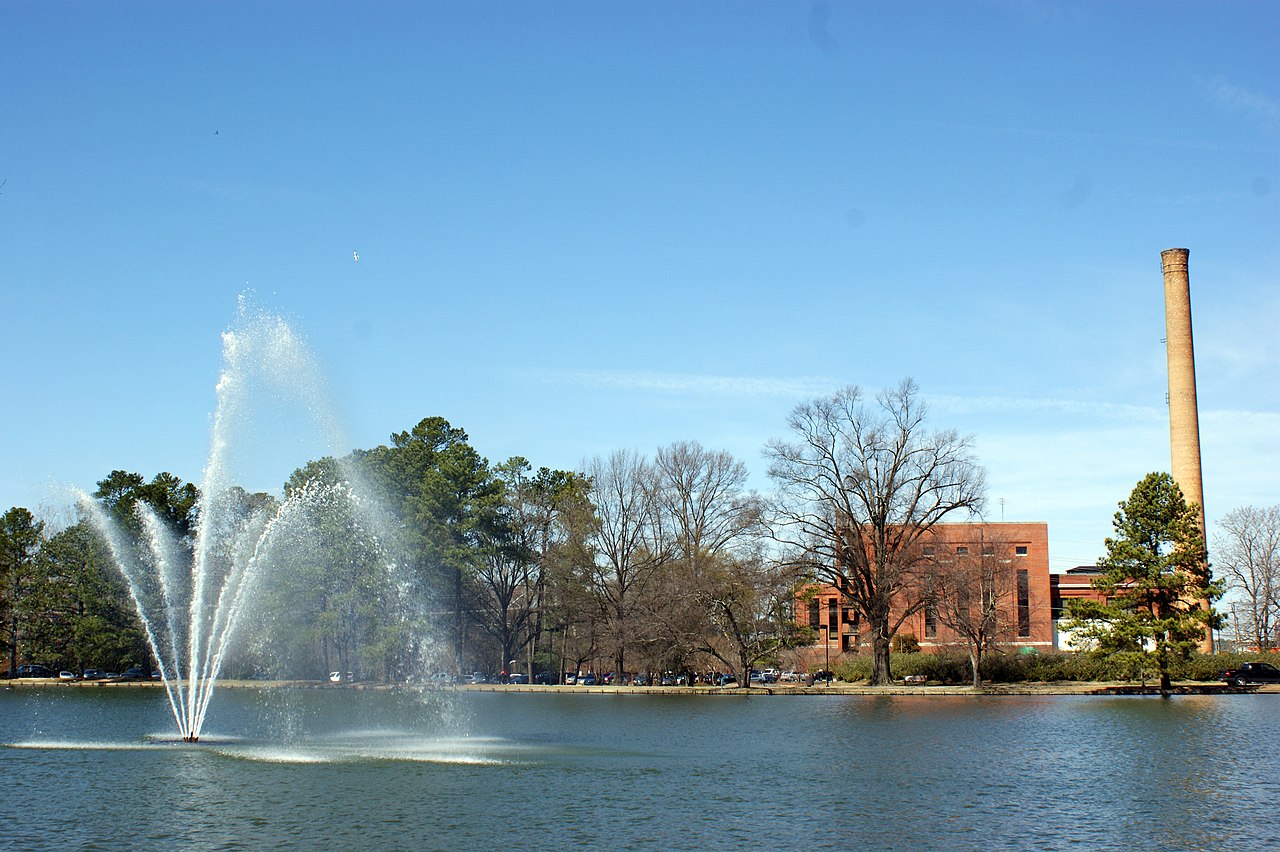


Geography and layout
Rocky Mount occupies a portion of the Atlantic coastal plain characterized by relatively flat terrain and riverine wetlands near the Tar River. The city includes a mix of residential neighborhoods, historic downtown districts, commercial corridors and former mill complexes. Its location has historically tied it to both agricultural hinterlands and wider transportation networks that link eastern North Carolina to larger urban centers.
History and development
The place name refers to rocky outcrops and shoals in the Tar River that early travelers and settlers used as landmarks. The arrival of rail lines in the 19th century accelerated growth, bringing industry and commerce. Textile mills, tobacco processing and related manufacturing dominated the local economy for much of the 20th century; in recent decades, many former industrial sites have been repurposed for new uses.
Economy, transport and institutions
Today Rocky Mount's economy includes healthcare, education, retail, light manufacturing and services. The city is served by regional highway corridors and passenger rail service, which support commuting and freight movement. Public and private initiatives have focused on downtown revitalization, redeveloping historic mill properties, and expanding cultural and recreational amenities.
Culture and civic life
Rocky Mount hosts community events, arts programs and historic preservation efforts that reflect its regional role. Local theaters, galleries and music venues contribute to a growing cultural scene. The city has twice been recognized with the All-America City Award by the National Civic League, receiving the honor in 1969 and again in 1999, underscoring civic engagement and community projects.
Notable facts and resources
- Straddles two counties, which affects governance, services and school districts.
- Historic mill sites have become focal points for adaptive reuse and economic development.
- Regional planning and economic initiatives are coordinated with state and regional planning partners.
For statistical details, planning documents and visitor information, consult municipal and regional resources as well as census reports and local cultural organizations.
Related articles
Author
AlegsaOnline.com Rocky Mount, North Carolina Leandro Alegsa
URL: https://en.alegsaonline.com/art/83609
Sources
- factfinder2.census.gov : "Geographic Identifiers: 2010 Demographic Profile Data (G001): Rocky Mount city, North Carolina"
- nationalcivicleague.org : "Previous Winners"