
Rockwell B-1 Lancer
A U.S. Air Force supersonic, variable-sweep wing strategic bomber developed by Rockwell; originally nuclear-capable, later refitted for conventional long-range strike missions.
Overview
The Rockwell B-1 Lancer is a long-range, strategic bomber operated by the United States Air Force. Designed for high-speed, low-level penetration of defended airspace, it combines a swept variable wing with a four-engine layout to balance speed, range and payload. The aircraft is commonly described in defense literature as a strategic bomber used for deep strike missions.
Image gallery
10 Images






Design and characteristics
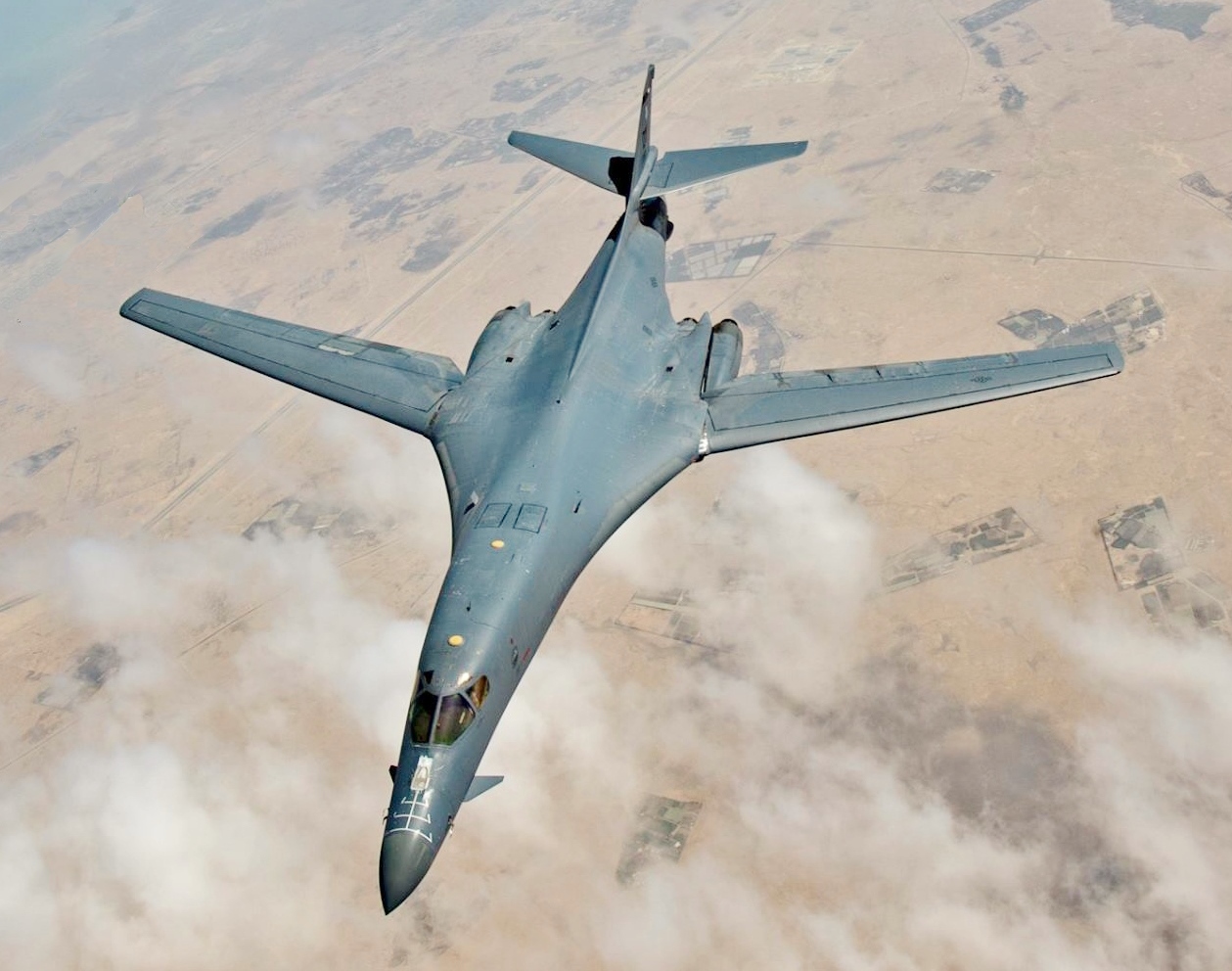
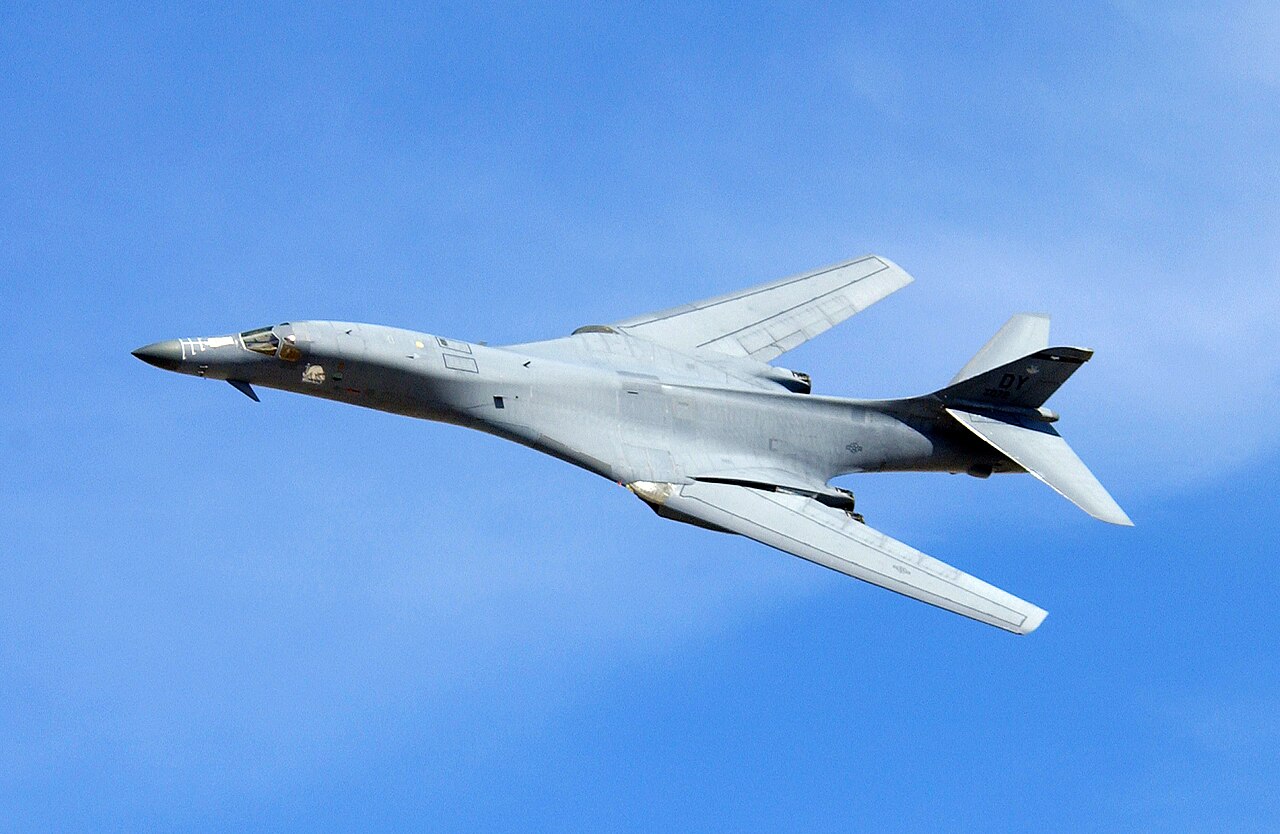
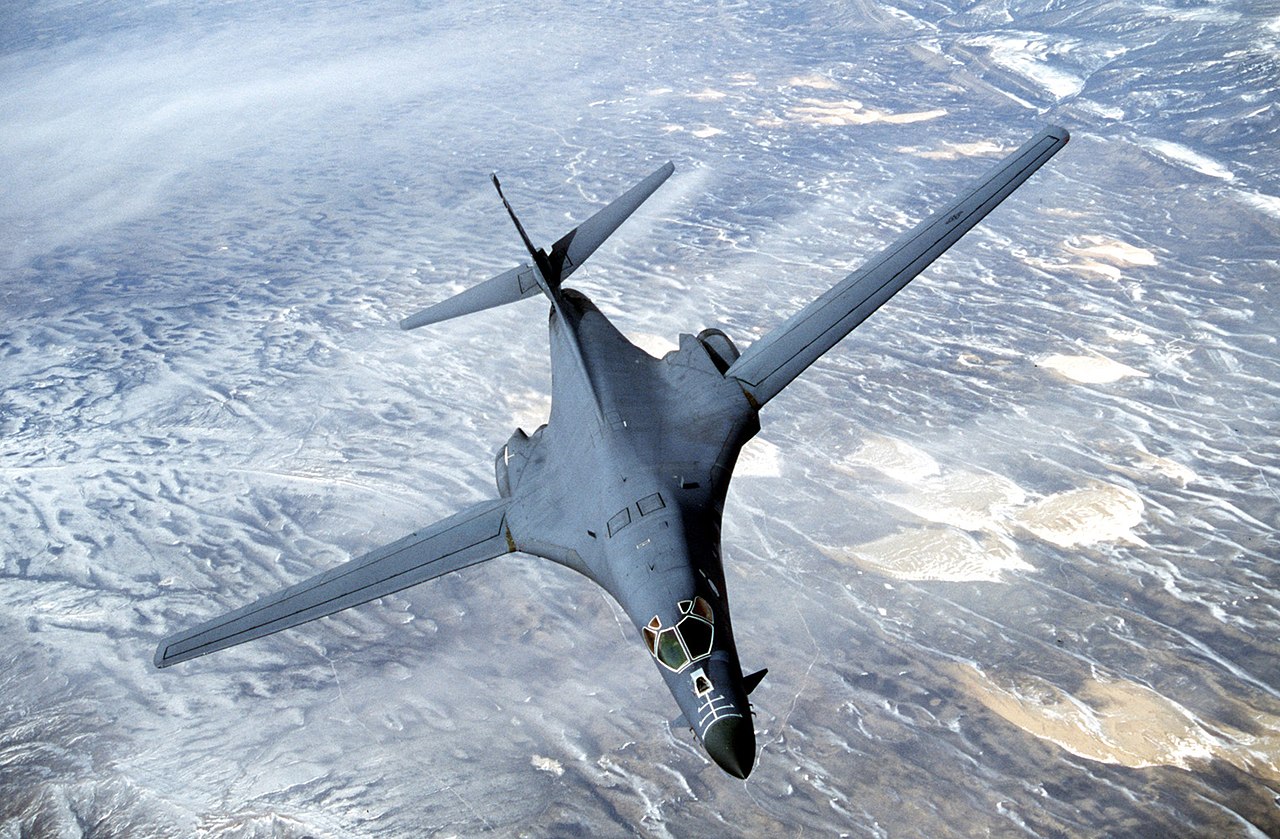
The B-1 features a variable-sweep wing that can be swept back for high-speed flight or extended for takeoff, landing and low-speed handling. Power is provided by four engines in underwing nacelles; these allow a mix of cruise efficiency and dash performance and are often discussed under the broader category of turbofan/turbojet propulsion in public sources. The airframe emphasizes long range, large internal weapons bays and terrain-following avionics for low-altitude operations.
Development and service history
Born from Cold War planning, the B-1 program went through several design iterations before entering service. Early prototypes demonstrated high-speed capability, and later production models were modified to reduce radar signature and improve low-level penetration. The type reached operational status with the U.S. Air Force and has been continually upgraded with avionics, defensive systems and weapons-delivery improvements.
Roles, armament and employment
Originally built with a nuclear-strike mission in mind, the B-1 was cleared to carry nuclear weapons in its early service life and is associated historically with that role; contemporary configurations focus on conventional ordnance. It can carry a diverse mix of munitions internally and on external stations, from precision-guided bombs to standoff weapons. References to its nuclear capability are often linked to discussions of nuclear weapons, while its conventional loadouts are described alongside traditional or "classic" bomb types such as those noted at conventional bomb summaries.
Operational use and upgrades
Throughout its service life the B-1 has been used for strategic deterrence, conventional bombing campaigns and long-range strike missions. Modernization efforts have emphasized sensors, targeting systems, communications and survivability to keep the airframe relevant against evolving threats. The platform's combination of payload capacity and flexibility has made it a mainstay for missions requiring sustained stand-off and precision attack.
Notable facts and distinctions
- The B-1's swing-wing design sets it apart among contemporary heavy bombers and contributes to its multi-role flexibility.
- It is manufactured by Rockwell and has been operated only by the United States Air Force in active service.
- Over the decades the type has shifted from a principal nuclear delivery platform toward a primarily conventional, precision-strike role, reflecting broader changes in force structure and arms-control agreements.
Related articles
Author
AlegsaOnline.com Rockwell B-1 Lancer Leandro Alegsa
URL: https://en.alegsaonline.com/art/83599