
Rockhampton, Queensland: regional city and Australia's 'Beef Capital'
Rockhampton is a regional city on the Fitzroy River in Central Queensland, Australia. Founded in the mid‑19th century, it serves as a cattle and mining service centre and was affected by the 2010–11 floods.
Overview
Rockhampton is a regional city in Central Queensland, Australia, sited on the banks of the Fitzroy River and located roughly 30 kilometres inland from the Capricorn Coast. It functions as a service and administrative centre for a broad rural region and had a population around 78,000 in 2018. The city is widely known by the informal nickname "Beef Capital of Australia" because of its long association with cattle production and meat processing.
Image gallery
10 Images


Historical background
The settlement developed in the mid‑19th century and expanded as riverside transport, pastoral activity and nearby mineral discoveries encouraged growth. Alluvial gold finds and later larger mining developments in the region stimulated business and population increases during the 19th and early 20th centuries. Over time Rockhampton evolved from a pastoral service town into a regional hub with schools, hospitals and transport links that serve a broad inland and coastal hinterland.
Economy and industries
The local economy is diverse but remains anchored in primary industries. Key sectors include:
- Beef and livestock: Rockhampton acts as a collection and processing point for cattle from surrounding properties and export markets, with meatworks and associated services concentrated in the area. Many large cattle stations and pastoral enterprises use Rockhampton as their service centre.
- Mining: Coal, minerals and extractive industries to the west and nearby contribute to employment, with processing, transport and support services found in and around the city. A magnesium resource has also been worked in the region (magnesium mine).
- Service and public sectors: Government, education, health care, retail and tourism round out the local economy, reflecting Rockhampton's role as a regional centre.
Transport and connections
Rockhampton has road and rail links to other Queensland cities and a regional airport that connects the city to broader domestic networks. The Fitzroy River historically influenced settlement patterns and commerce; modern infrastructure is designed to support the movement of livestock, mining exports and passengers between inland areas and the coast.
Flooding, climate and resilience
The city's riverside setting brings both advantages and risks. Rockhampton is subject to a subtropical climate with distinct wet and dry periods, and it has experienced major floods that affected transport and services. Notably, during the 2010–11 Queensland floods the city was extensively inundated and at times cut off from road and rail access, highlighting ongoing challenges in flood management and urban resilience.
Culture, recreation and notable features
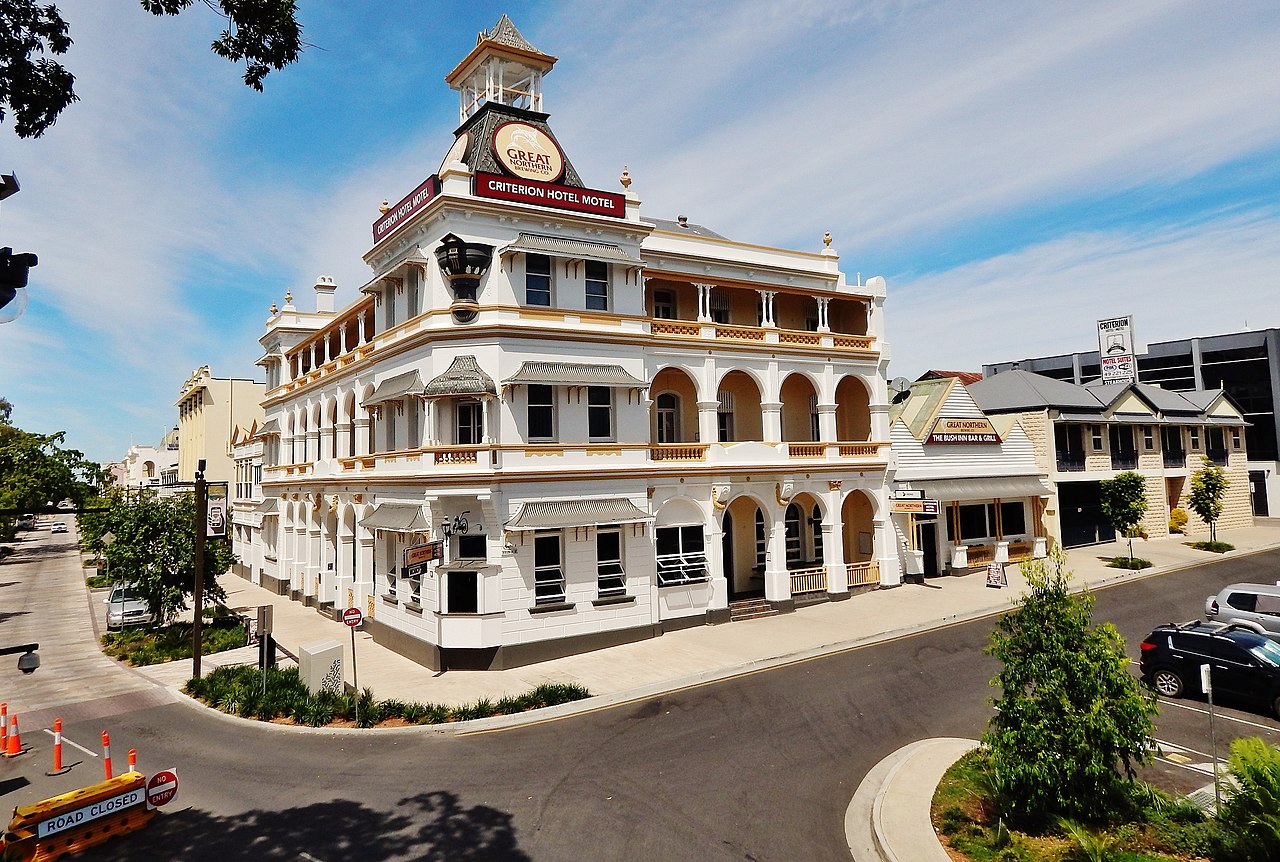
As a regional capital, Rockhampton offers cultural, recreational and tourism amenities for residents and visitors. The surrounding coastline and islands are within easy reach, providing beach and reef experiences, while the city itself hosts museums, parks and community events that reflect its pastoral and mining heritage. Heritage architecture and regional institutions contribute to Rockhampton's identity as a longstanding hub for Central Queensland.
Related articles
Author
AlegsaOnline.com Rockhampton, Queensland: regional city and Australia's 'Beef Capital' Leandro Alegsa
URL: https://en.alegsaonline.com/art/83573
Sources
- frasercoastholidays.info : "Capricorn Region"
- mackayhistory.org : "Alexander Sinclair Shiels, Mayor of Mackay 1872"
- rockhampton.org : "The City of Rockhampton"
- news.ninemsn.com.au : "Floods completely cut off Rockhampton"