
Robert Spaemann — German Catholic philosopher and ethicist
Robert Spaemann (1927–2018), German Catholic philosopher known for work on personhood, Christian ethics, bioethics, ecology and human rights; associated with the Ritter school and influential across Europe.
Overview
Robert Spaemann (5 May 1927 – 10 December 2018) was a German Roman Catholic philosopher whose work focused on moral philosophy and the ethical implications of modern science. Born in Berlin, he became one of the more prominent post‑war figures in German philosophy, often identified with the intellectual circle around Joachim Ritter and the so‑called Ritter school. Spaemann built a reputation for clear, concise argumentation rooted in classical and Christian traditions.
Image gallery
6 Images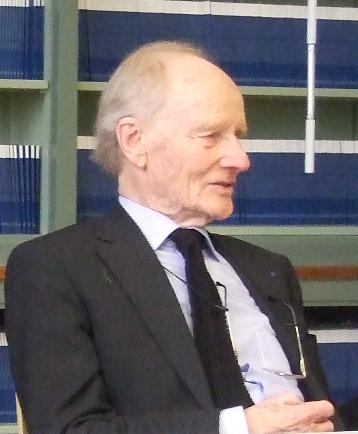



Intellectual contributions
Spaemann is best known for his reflections on personhood, the good, and moral anthropology. He emphasized the irreducible dignity of persons against reductive or utilitarian accounts, and argued for a teleological understanding of human life that places moral norms in relation to human flourishing. His work engages topics such as bioethics, ecological responsibility, human rights, and the ethics of technology.
Life and career
Over several decades Spaemann taught, published essays and books, and participated in public debates in Germany and beyond. He spoke and wrote for both scholarly and wider audiences, seeking to bring philosophical resources to bear on contemporary moral questions. While rooted in Catholic doctrine, his arguments often addressed secular audiences and dialogued with analytic and continental traditions.
Themes, uses and examples
- Personhood: defending the moral centrality of the person as a bearer of rights and dignity.
- Bioethics: critical assessments of abortion, euthanasia, and reproductive technologies based on arguments about ends and means.
- Ecology and responsibility: urging moral limits to exploitation of nature grounded in respect for creatures and future generations.
- Public reason: insisting that ethical claims be made intelligible in democratic discourse.
Influence and reception
Spaemann enjoyed significant influence among Catholic intellectuals and beyond; his work was noted for combining philosophical rigor with theological sensitivity. He was among the thinkers whose writings were read and appreciated by church leaders, including Pope Benedict XVI. Internationally, his analyses have been cited in debates over human dignity, medical ethics, and the limits of technological intervention.
Legacy and notable facts
Robert Spaemann left a body of essays and books that continue to be read by scholars, clergy, and policy makers interested in the ethical dimensions of life and science. He is remembered for defending a concept of the human person that aims to bridge philosophical tradition and contemporary moral challenges, and for contributing to public discussion on matters where philosophy, religion, and public policy intersect.
Related articles
Author
AlegsaOnline.com Robert Spaemann — German Catholic philosopher and ethicist Leandro Alegsa
URL: https://en.alegsaonline.com/art/83388
Sources
- ustream.tv : "Josef Seifert's Introduction of Spaemann at the Dietrich von Hildebrand Legacy Project Conference, "Christian Personalism and Hildebrand's Philosophy of Love," May 28, 2010 (Video link)"
- web.tuomi-media.de : web.tuomi-media.de
- kath.net : R. I. P. Robert Spaemann