
Robert Moog: Pioneer of the Modern Synthesizer
Biography and influence of Robert Moog, the American engineer who developed the first widely adopted commercial synthesizers and shaped electronic music instrument design.
Overview
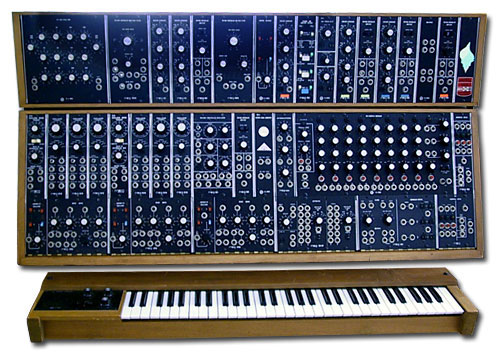
Robert Arthur Moog (May 23, 1934 – August 21, 2005) was an American instrument designer and electrical engineer whose work established the modern synthesizer as a practical musical tool. He founded Moog Music and created the Moog synthesizer, the first commercially available instrument that brought voltage-controlled electronic sound generation into studios and stages. His designs helped make electronic timbres accessible to composers and performers across genres.

Image gallery
5 Images


Design and core components
Moog’s early instruments emphasized modular construction and intuitive control. Typical modules that became standard in Moog systems include:
- Voltage-controlled oscillators (VCOs) – generate basic waveforms.
- Voltage-controlled filters (VCFs) – shape tone and timbre.
- Voltage-controlled amplifiers (VCAs) – manage output level.
- Envelope generators (ADSR) – control attack, decay, sustain and release.
- Keyboard and control interfaces – allow performance and sequencing.
These elements combined to permit real-time expression, making synthesized sound musical rather than purely experimental.
History and early adoption
Moog began building early prototypes in the 1960s. His modular systems were among the first instruments to be sold to universities, studios and touring musicians, providing standardized, repairable components. The popularity of recordings that featured Moog instruments helped the technology cross over from academic labs into mainstream culture: landmark albums and film scores used Moog systems, demonstrating their expressive potential and influencing generations of musicians.
Uses and cultural impact
Moog synthesizers played a central role in the rise of electronic music. They were used in classical reworkings, pop and rock productions, and in soundtrack work where novel sounds were required. The availability of a market-ready synthesizer encouraged manufacturers and engineers to develop new modules, accessories and later portable keyboards, accelerating the spread of synthesis techniques in both studio and live contexts.
Legacy and later developments
Moog’s name came to represent a school of analog design characterized by warm filters and hands-on control. The company he founded continued to produce instruments and inspired a revival of modular synthesis decades later. His influence is visible in the architecture of many modern synths—both analog and software emulations—and in the vocabulary of electronic music production taught in conservatories and electronic studios.
Biographical notes and death
Born in New York City, Moog worked at the intersection of engineering and music for most of his life, collaborating with artists, academics and manufacturers. He is frequently described as an innovator in electrical engineering applied to musical instruments and helped popularize electronic music through his designs. Robert Moog died on August 21, 2005, in Asheville, North Carolina, from glioblastoma. His instruments and design principles continue to influence instrument builders and musicians worldwide.
Related articles
Author
AlegsaOnline.com Robert Moog: Pioneer of the Modern Synthesizer Leandro Alegsa
URL: https://en.alegsaonline.com/art/83365
Sources
- nytimes.com : "Robert Moog, Creator of Music Synthesizer, Dies at 71"