
Riquewihr: Historic Alsatian village and wine center
Riquewihr is a well-preserved historic village in the Haut-Rhin of Grand Est, eastern France, famed for its 16th-century architecture, fortified walls, Riesling and Gewürztraminer vineyards, and tourism.
Overview
Riquewihr is a small commune located in the Haut-Rhin department, within the Grand Est region of eastern France. Perched at the edge of the Vosges foothills, the village is notable for retaining the appearance of a prosperous 16th‑century market town. Its narrow cobbled streets, timber-framed houses and preserved ramparts make it a frequent stop on the Alsace Wine Route and a popular destination for visitors exploring the region.
Image gallery
10 Images


History
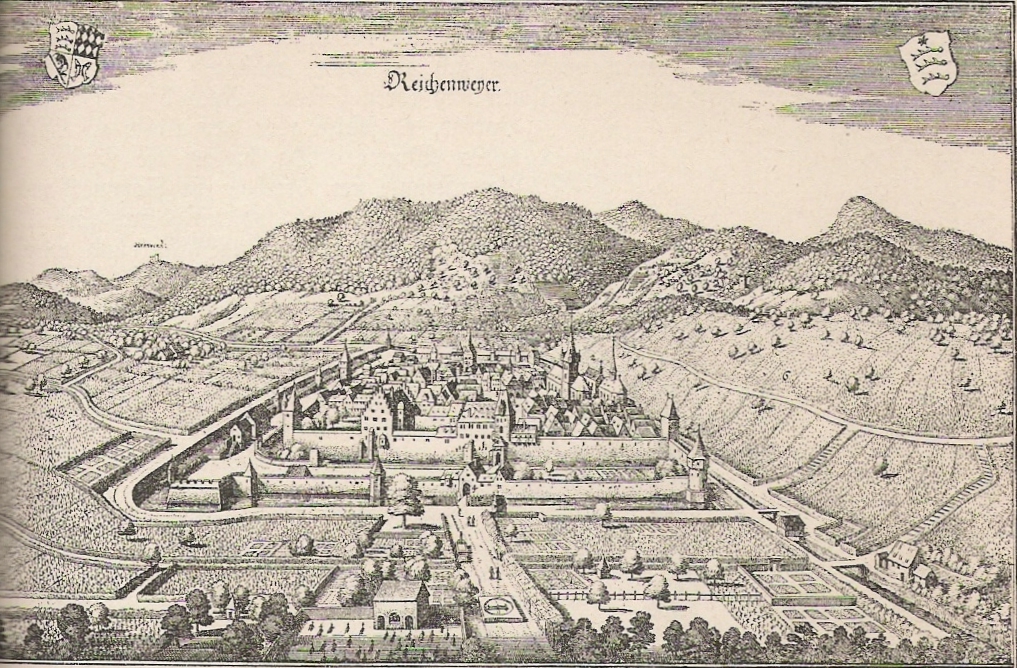
Riquewihr grew up around medieval trade and the production of wine. During the Renaissance the town prospered and many of the buildings that define its character today were constructed or refaced in the 1500s. Over centuries control of the area shifted among regional powers; despite wars and political changes the village core escaped large-scale modern redevelopment, which helped preserve its historic fabric.
Architecture and notable sites
The village is surrounded by remnants of defensive walls and features characteristic Alsatian timber-framed houses with ornate façades. A prominent gate tower marks the main entrance from the valley, and several old merchant houses display carved stone or painted décor from the early modern period. Typical visitor highlights include:
- Dolder or gate tower and surviving ramparts
- Well-preserved merchant houses and street fronts
- Small museums and local wine cellars open to the public
Wine, economy and culture
Viticulture shapes Riquewihr's identity. Vineyards surrounding the village produce classic Alsace varieties such as Riesling, Gewürztraminer and Pinot Gris. Small domaines and cooperatives offer tastings and cellar visits, and the village economy mixes tourism, hospitality and wine production. Seasonal markets and cultural events emphasize local gastronomy and traditional crafts.
Visiting and significance
Today Riquewihr is valued both as an exemplar of regional architecture and as an active wine village. It is frequently described in travel literature as one of Alsace's most picturesque settlements and serves as a compact, walkable example of a historic European market town where heritage and contemporary wine culture coexist.
For further practical information, administrative details and travel planning, consult regional and municipal resources via the linked references above.
Related articles
Author
AlegsaOnline.com Riquewihr: Historic Alsatian village and wine center Leandro Alegsa
URL: https://en.alegsaonline.com/art/83039