
Reynaldo Hahn: French mélodie composer and Belle Époque musician
Overview of Reynaldo Hahn (1874–1947), a composer and conductor best known for his French art songs, his salon-era style, career highlights, reception, and lasting influence.
Overview
Reynaldo Hahn (1874–1947) was a composer, conductor, critic and diarist who became one of the most celebrated authors of French art song (mélodie) in the late 19th and early 20th centuries. Born in Caracas and raised in Paris, Hahn made his reputation in the salons and concert rooms of the Belle Époque. His music is often praised for its refinement, graceful melodic gift and clear sense of style.
Image gallery
10 Images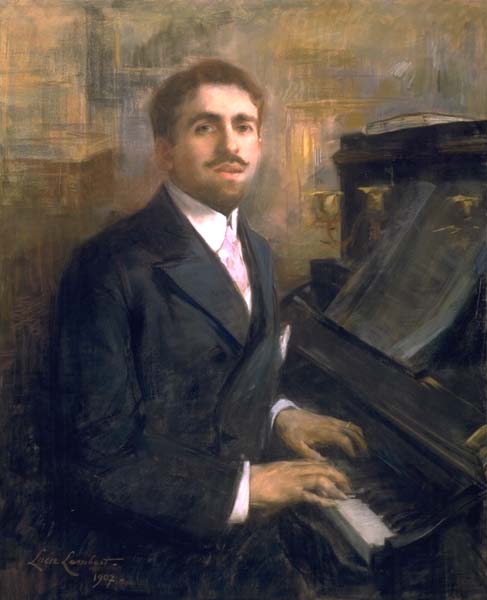




Musical style and characteristics
Hahn's music is typically described as elegant, intimate and finely wrought rather than overtly dramatic or experimental. His songs emphasize subtle word-setting, tonal clarity and melodic charm. Piano accompaniment is frequently delicate and supportive, designed to complement the voice rather than overwhelm it. While not an avant-garde composer, Hahn drew on the French tradition of clarity and lyricism established by earlier 19th-century composers and adapted it to the intimate salon and recital settings popular in his time.
Career and life
Hahn moved in literary and musical circles in Paris and developed close friendships with writers and artists of the period. He worked not only as a composer but also as a conductor and a music critic, and he kept extensive diaries that document his artistic milieu. He composed across genres: numerous mélodies, piano pieces, incidental and stage music, and occasional larger works for orchestra and theatre. One of his best-known settings is the song "À Chloris," often performed in recitals of French song.
Notable collaborations and setbacks
Hahn contributed a score to a ballet staged by the Ballets Russes, Le Dieu bleu. The production failed to find favor with critics and audiences, and the music was singled out by some contemporary reviewers as a weak point. Despite this high-profile setback, most assessments of Hahn's output focus on his more successful vocal and salon pieces rather than on this episode.
Reception and legacy
During his lifetime Hahn was admired for his craftsmanship and lyrical gifts; after mid-century tastes shifted, his music experienced periods of neglect. From the late 20th century onward, there has been a steady revival of interest in his songs, with renewed recordings and performances that highlight his contributions to the French mélodie tradition. He is now regarded as a principal figure for understanding salon culture, vocal refinement and the aesthetics of pre‑war Parisian musical life.
Selected works and genres
- Numerous mélodies (art songs) for voice and piano, often performed in recitals
- Piano miniatures and salon pieces
- Music for theatre and stage productions, including ballets and incidental music
- Occasional orchestral and chamber pieces
Hahn's reputation rests chiefly on his songs and his ability to marry text and melody with finesse. His work remains a touchstone for singers and audiences exploring the intimate world of French art song.
Related articles
Author
AlegsaOnline.com Reynaldo Hahn: French mélodie composer and Belle Époque musician Leandro Alegsa
URL: https://en.alegsaonline.com/art/82447