
Relief pitcher (baseball and softball)
A relief pitcher enters a game after the starter is removed. This article explains roles, tactics, history, and how relievers differ from starters in baseball and softball.
A relief pitcher, commonly called a reliever, is a pitcher who enters a game after the starting pitcher is removed. Relief pitchers are used in both baseball and softball to face one or more batters, protect leads, stop rallies, or provide innings when the starter cannot continue. Unlike starters, relievers typically appear in many games but pitch fewer innings per appearance and are managed from the bullpen, a designated area where pitchers warm up.
Image gallery
4 Images

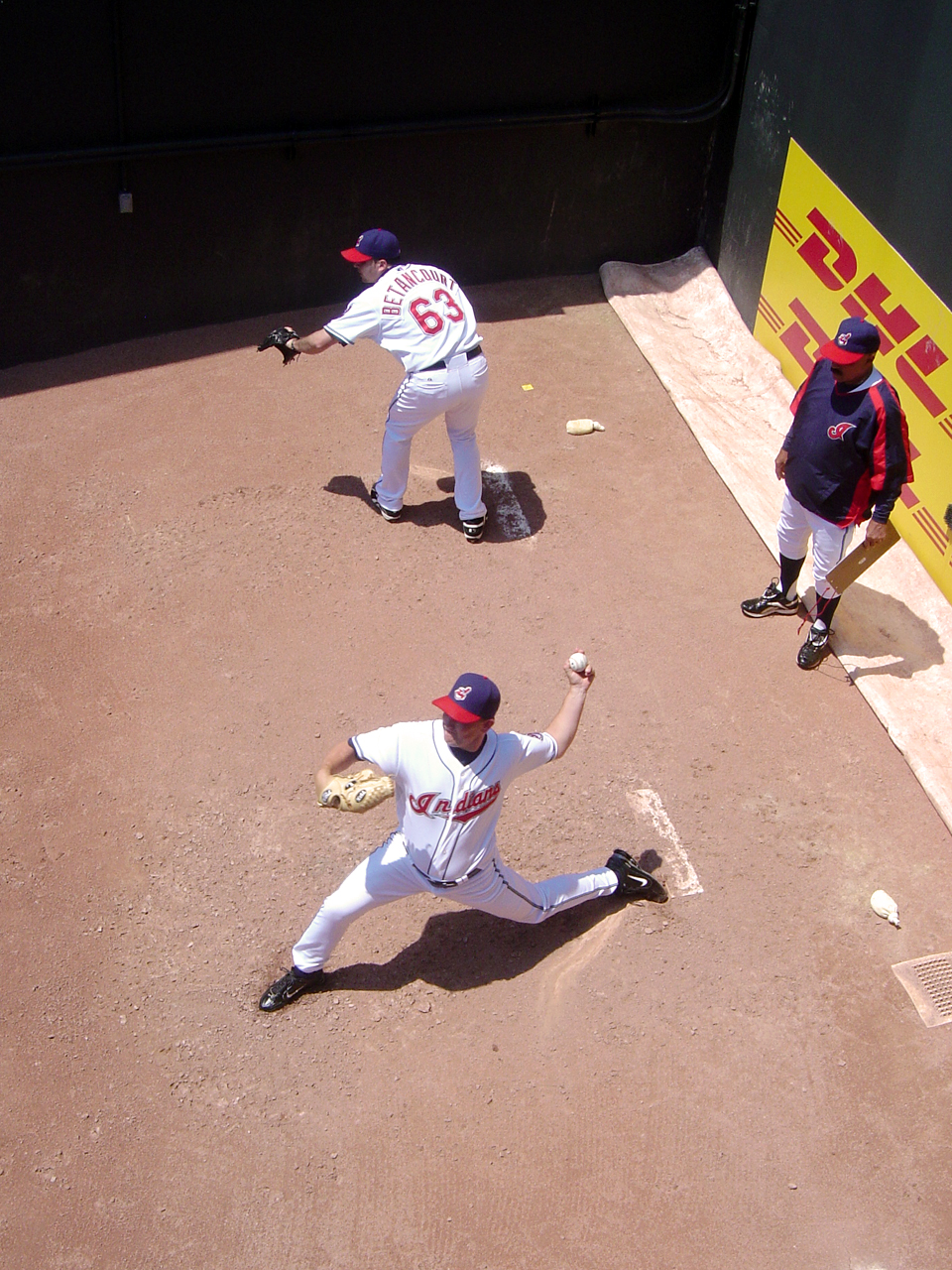

Primary roles and characteristics
Relievers are often asked to perform in high-leverage situations where a single inning can decide a game. They usually enter cold, with limited warm-up time, and may be specialized for short bursts rather than long outings. Because of this, relievers tend to rely on a smaller selection of pitches delivered at higher intensity. They also experience greater variability in traditional statistics such as earned run average (ERA) because their sample of innings is smaller.
Common types of relievers
- Closer: Typically brought in during the final inning to preserve a narrow lead; closers are often the staff's best late-inning pitcher.
- Set-up pitcher: Usually works the inning(s) before the closer to bridge to the end of the game.
- Middle reliever: Enters in middle innings, especially when the starter leaves early.
- Long reliever: Capable of pitching multiple innings, used when a starter exits very early or to eat innings on a bullpen day.
- Left/right-handed specialist: Brought in for short matchups against batters of a particular handedness; occasionally used for only one batter.
Managers and pitching coaches construct bullpens to balance these roles, with some relievers cross-trained to handle multiple situations. The modern game has also seen the rise of multi-inning relievers and the tactical "opener," who starts briefly before turning the game over to traditional relievers.
Development and historical notes
Relief pitching developed as baseball strategy evolved from starters expected to complete games to more specialized staffs. Specialization increased through the 20th century as teams recognized the value of short, intense appearances and matchup advantages. The growth of statistical categories that track relief performance, including the save and other situational metrics, further codified the roles of late-inning pitchers.
Importance and distinctions
Relievers are crucial to modern roster construction and in-game tactics. They influence decisions about starting pitcher workloads, matchup substitutions, and how a manager navigates late innings. While starters accumulate large inning totals, relievers provide flexibility and high-leverage options; their performances can swing individual games and, over a season, have a major impact on a team's success.
Notable distinctions include the mental and physical preparation differences between starters and relievers, the emphasis on short-term dominance for relievers, and the evolving valuation of reliever performance in advanced metrics. As the sport continues to adapt, the roles and usage patterns of relief pitchers remain a dynamic and strategically important aspect of both baseball and softball.
Related articles
Author
AlegsaOnline.com Relief pitcher (baseball and softball) Leandro Alegsa
URL: https://en.alegsaonline.com/art/82023