
Radium Girls — watch-dial painters and the origins of modern workplace safety
Workers who painted luminous watch dials with radium in the early 20th century; their illnesses and lawsuits exposed occupational radiation hazards and helped change labor protections.
Overview
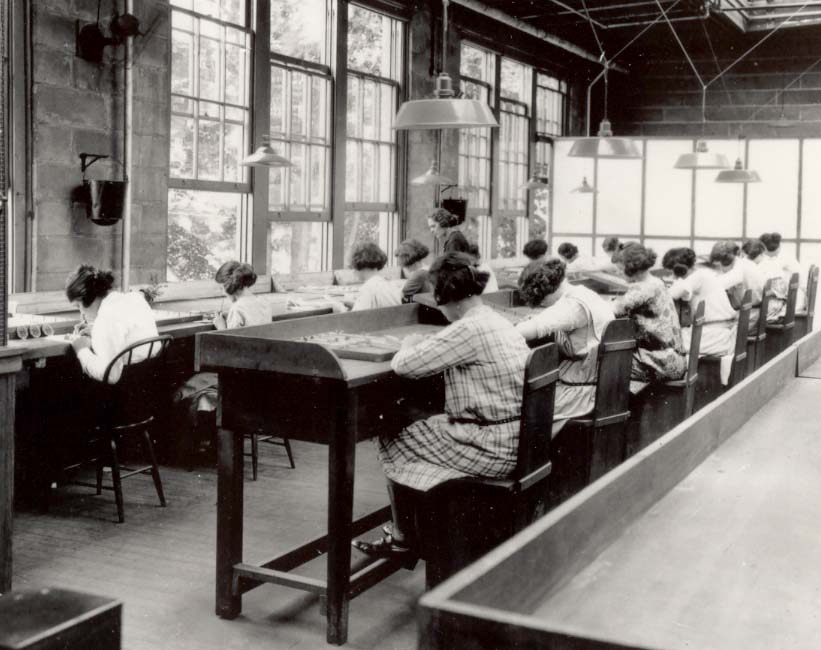
The term "Radium Girls" refers to a group of predominantly young women who, during the early 20th century, painted luminous numbers and hands on watch and instrument dials. Many worked at factories such as the plant in Orange, New Jersey, using a glow-in-the-dark formulation that contained radium. Their later illnesses and legal actions drew public attention to the dangers of occupational exposure to radioactive materials and helped shape labor law, industrial hygiene, and public attitudes about radioactivity.
Image gallery
6 Images



Work, materials and practices
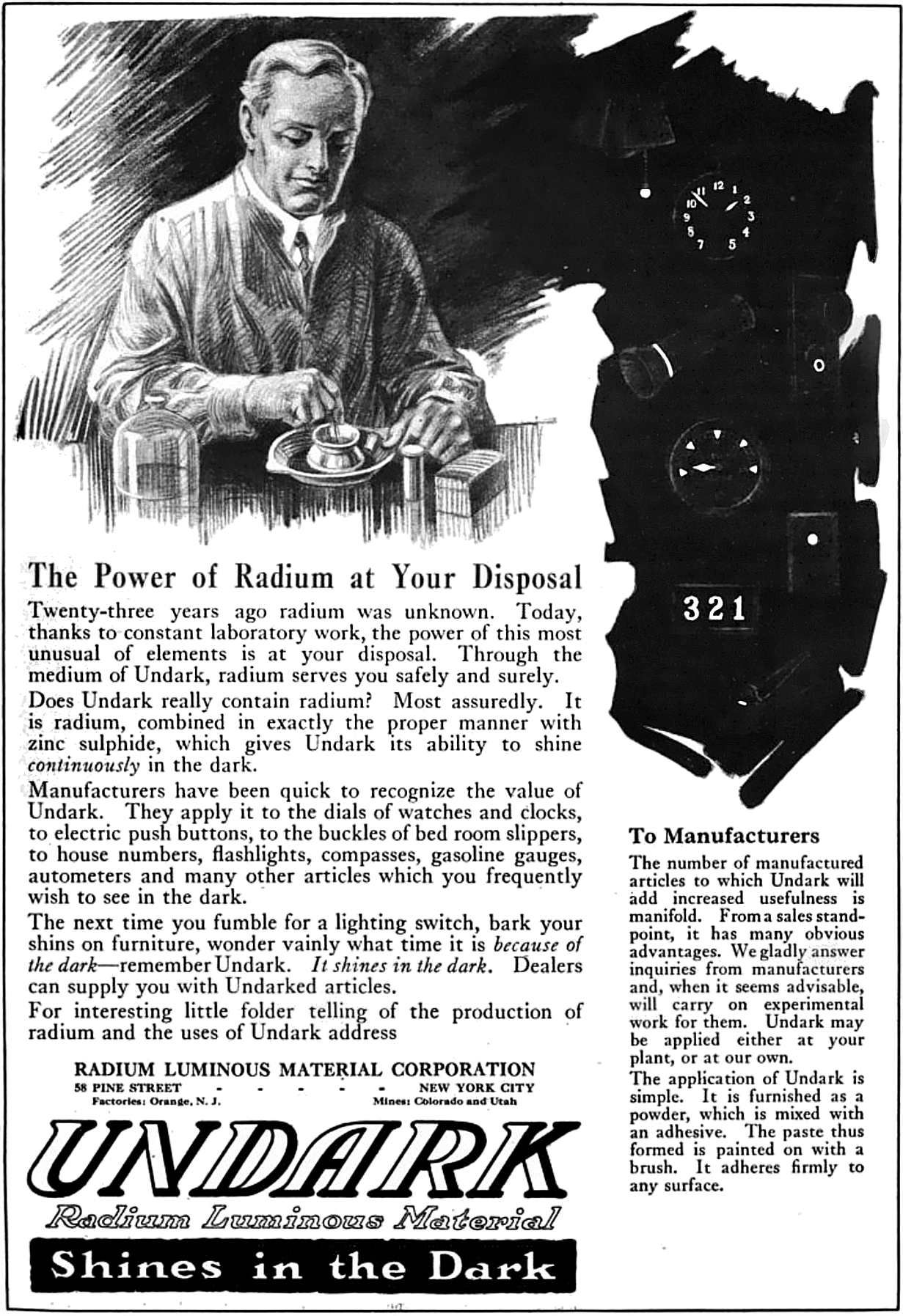
Dial painters applied a luminous coating to small metal faces and hands so they could be read in the dark. These coatings were a type of luminous paint made using radium compounds mixed with a binding medium. The task demanded steady hands and was done with fine brushes; to keep the brushes sharp and fine-pointed the painters commonly shaped or moistened them with their lips, a practice often called "lip-pointing." The work produced an attractive, glowing finish on watch dials and other instruments but also increased the chance that tiny amounts of radioactive paint would be swallowed or inhaled.
Radium and radioactivity
Radium, discovered in the late 19th century, was prized for its luminous properties and its novelty. It was promoted for many uses — from medical therapies to consumer goods — because of its radioactive emissions. Over time scientists and public health authorities learned more about the risks of ionizing radiation; radium in the body concentrates in bone and emits radiation that can damage surrounding tissues. Contemporary descriptions of the problem linked repeated small ingestions to progressive illness and to distinctive injuries to bone and jaw.
Health effects and diagnosis
The exposed workers developed a range of debilitating conditions. Commonly reported problems included chronic fatigue, anemia, unexplained fractures, and necrosis of the jaw that came to be labeled colloquially as "radium jaw." Pathologists also observed bone degeneration and an increased risk of bone cancers in some cases. Because the medical understanding of radiation risks was still evolving, diagnosis and attribution to workplace exposure were difficult at first, and many women suffered for years before their symptoms were linked to radium.
Legal action and social impact
As the connection between painting and illness became clearer, several former dial painters brought lawsuits against their employers. These cases, brought in the 1920s and widely reported, challenged companies for failing to warn workers and for unsafe practices. Plaintiffs such as Grace Fryer and others pressed for recognition, compensation, and public accountability. The litigation and attendant publicity helped establish the principle that workers could sue for occupational diseases and contributed to emerging standards for industrial safety, monitoring of hazardous substances, and corporate responsibility.
Legacy and notable facts
The story of the Radium Girls had multiple long-term effects: it accelerated reforms in workplace hygiene, influenced how regulators treated radioactive materials, and changed public perceptions of consumer and medical uses of radioactivity. The episode is often cited in discussions of occupational health, corporate ethics, and the development of compensation systems for injured workers. It also remains a cautionary historical example of how new technologies and materials can create unrecognized risks when commercial enthusiasm outpaces scientific understanding.
- Workplace: many affected workers were employed by dial-painting firms that supplied watchmakers and instrument manufacturers.
- Practices: routine lip-pointing and lack of protective measures greatly increased ingestion risk.
- Medical: injuries included jaw necrosis and bone damage due to internalized radium.
- Legal: lawsuits in the 1920s raised awareness and led to stronger occupational protections.
- Science: the cases spurred further research into radioactivity and safe handling, and informed later regulation of radioactive substances such as radium.
For further reading on the workplaces and historical context of the dial painters see accounts of the Orange, New Jersey plant and contemporary reports on luminous paint and watchmaking: Orange factory history, watch-dial painting practices, and technical descriptions of luminous paints.
Author
AlegsaOnline.com Radium Girls — watch-dial painters and the origins of modern workplace safety Leandro Alegsa
URL: https://en.alegsaonline.com/art/80783