
Rădăuți — town in Suceava County, Bukovina, Romania
Rădăuți is a municipality in Suceava County, northern Romania, with a diverse cultural heritage in the historical region of Bukovina and a population of about 27,759.
Rădăuți is a municipality in the northern Romanian region of Bukovina, administered within Suceava County. It is an urban centre with a population reported at about 27,759 inhabitants in recent counts. The town functions as a local hub for services, small industry and regional trade and retains a mixed cultural character shaped by Romanian, Jewish, German and other communities over several centuries. For municipal information see the town's official portal: Rădăuți municipality.
Image gallery
10 Images


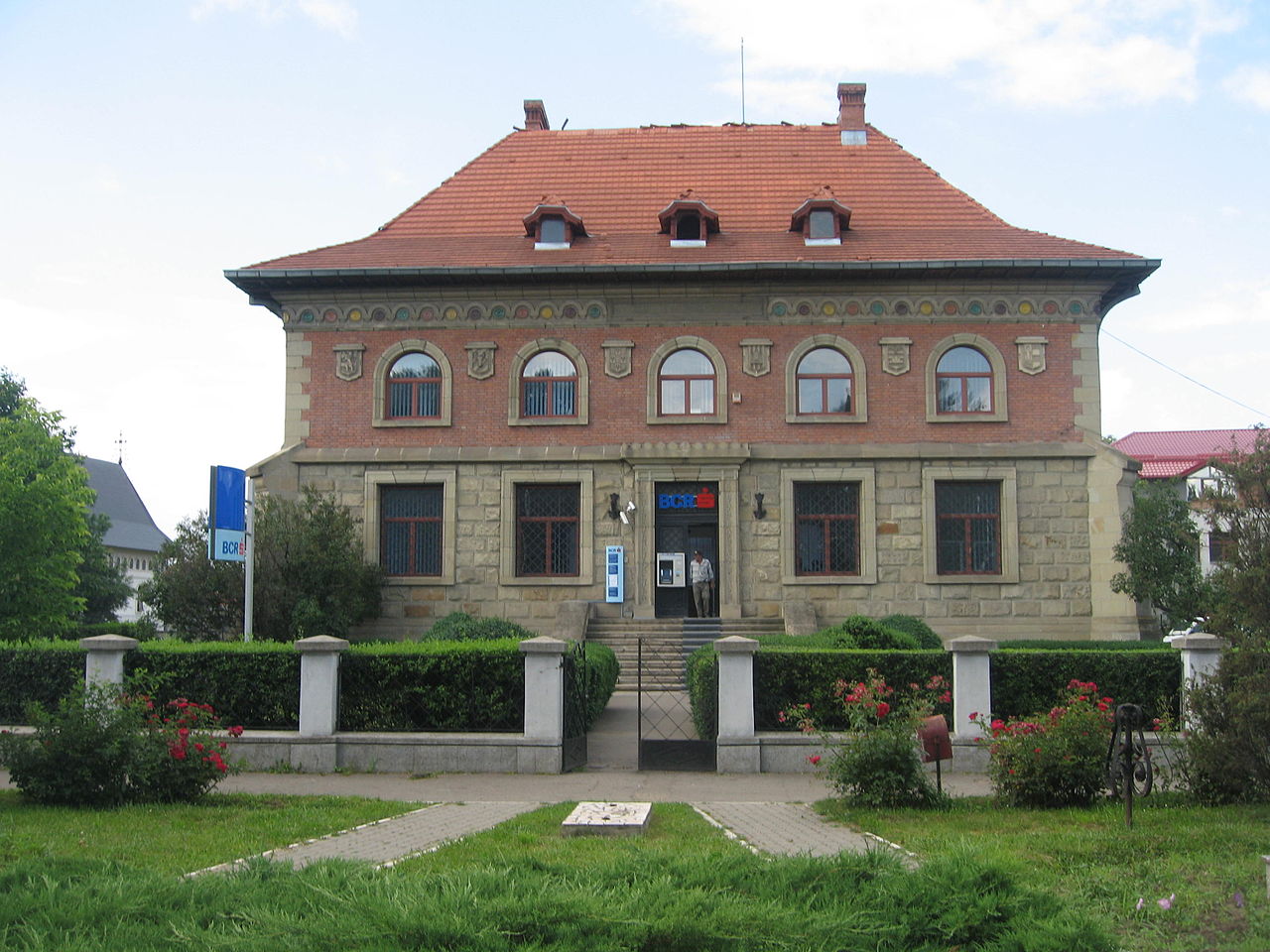
Location and landscape
Situated in the rolling foothills that lead toward the Eastern Carpathians, Rădăuți occupies a strategic position in northern Romania. Its surroundings combine agricultural land, patches of forest and small industrial zones. The town lies within Suceava County; administrative and regional context can be explored at the county resource: Suceava County.
History and cultural heritage
Rădăuți has a long history as one of Bukovina's notable towns. Over time it developed into a center of religious and cultural life for local Orthodox communities and, historically, for Jewish and German inhabitants. Among its heritage sites are older churches and monastic foundations that reflect medieval and later architectural styles. The town's multicultural past is reflected in cemeteries, former synagogues and memorials that attest to diverse traditions.
Economy, institutions and daily life
The local economy blends light industry, commerce, public services and agriculture. Rădăuți provides educational, health and administrative services for surrounding villages, and it hosts local markets and periodic cultural events. Its role as a service centre supports smaller nearby settlements and contributes to regional connectivity within Romania: about Romania and regions.
Notable features and visitor information
- Historic religious sites and small museums illustrating local history.
- Traditional markets and seasonal fairs reflecting Bukovinian customs.
- Access to nearby natural areas suitable for hiking and rural tourism.
Rădăuți is often approached as a place where regional history and everyday modern life meet. Its combination of services, historical remains and proximity to the Carpathian landscape makes it relevant both for residents and visitors interested in Bukovina's cultural mosaic.
Related articles
Author
AlegsaOnline.com Rădăuți — town in Suceava County, Bukovina, Romania Leandro Alegsa
URL: https://en.alegsaonline.com/art/80725
Sources
- suceava.insse.ro : "Suceava County at the 2011 census"
- commons.wikimedia.org : Rădăuți