
Racquet (sports implement)
A racquet is a hand-held frame with a network of strings used to strike balls or shuttlecocks in racket sports. This article explains its parts, materials, history, uses and how it differs from a paddle.
A racquet is a handheld sporting implement whose striking surface is formed by a network of interlaced strings stretched across a frame. It is used to hit balls or shuttlecocks in a family of activities commonly called racket sports. The word is also often spelled racket, and usage varies by region and by sport.
Image gallery
8 Images
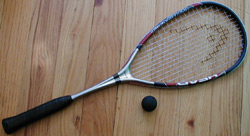


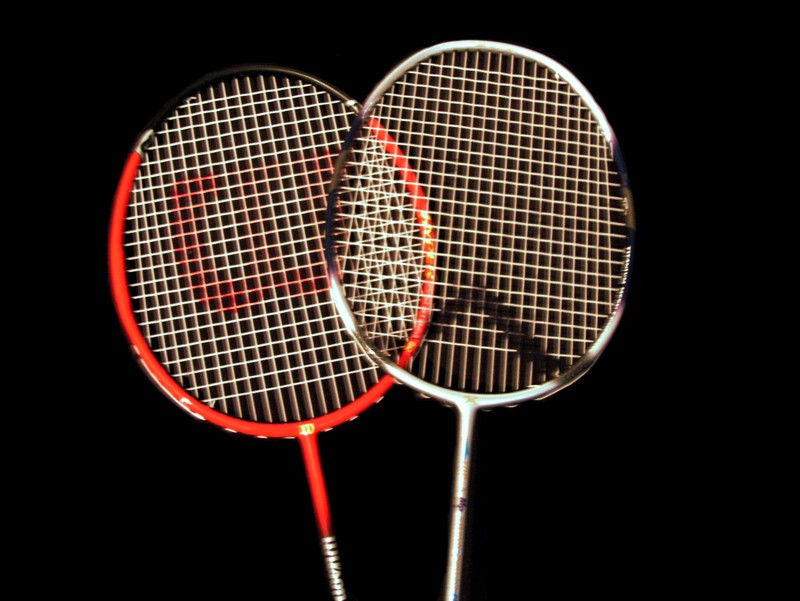
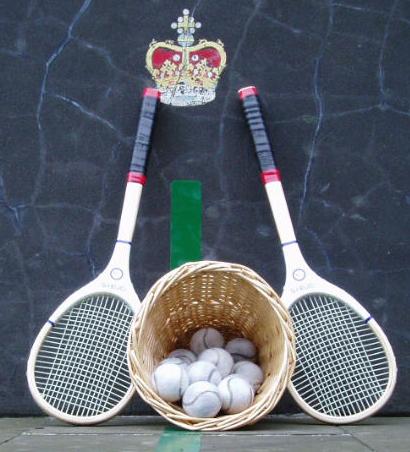

Structure and components
Most racquets share the same basic elements: a handle (or grip), a throat that connects handle and head, a frame that gives shape and strength, and the stringbed that actually contacts the ball or shuttlecock. The stringbed produces the effective striking area and defines the racquet’s playing characteristics.
- Grip: the part held by the player and often wrapped with an overgrip for comfort and control.
- Frame: rigid material that determines weight, balance and stiffness.
- Head and strings: the open area where strings form a grid; the head’s size and string pattern affect power and control. See also the head component described as head.
Frames range from traditional wooden constructions to modern composites. Strings historically used natural gut but now include many synthetic materials chosen for durability, tension stability and feel.
History and development
Racquets evolved from very early hand-held implements used in medieval games. Over centuries they developed into framed devices with gut strings; mass production and new materials in the 19th and 20th centuries changed their shapes and performance. Advances in metal and then composite manufacturing allowed larger heads, lighter weights and more precise balance, shaping each sport’s modern equipment.
Racquets are central to sports such as tennis, squash, racketball and badminton, though terminology and design vary. In some games the striking object is a ball; in badminton it is a shuttlecock. Racquets differ from a paddle primarily because paddles have a solid hitting surface rather than a stringbed.
Players select racquets based on play style: larger, more flexible heads tend to generate power and a forgiving sweet spot, while stiffer, smaller heads favor precision and control. String tension, pattern and material further tune responsiveness, spin potential and comfort. These interrelated factors make racquet choice important for both recreational and competitive players.
Related articles
Author
AlegsaOnline.com Racquet (sports implement) Leandro Alegsa
URL: https://en.alegsaonline.com/art/80719