
Rafting: sport, craft, risks, and recreation
Rafting is traveling rapids in an inflatable craft—often a team activity—combining technical skill, specialized equipment, and risk management for recreation and competition.
Overview
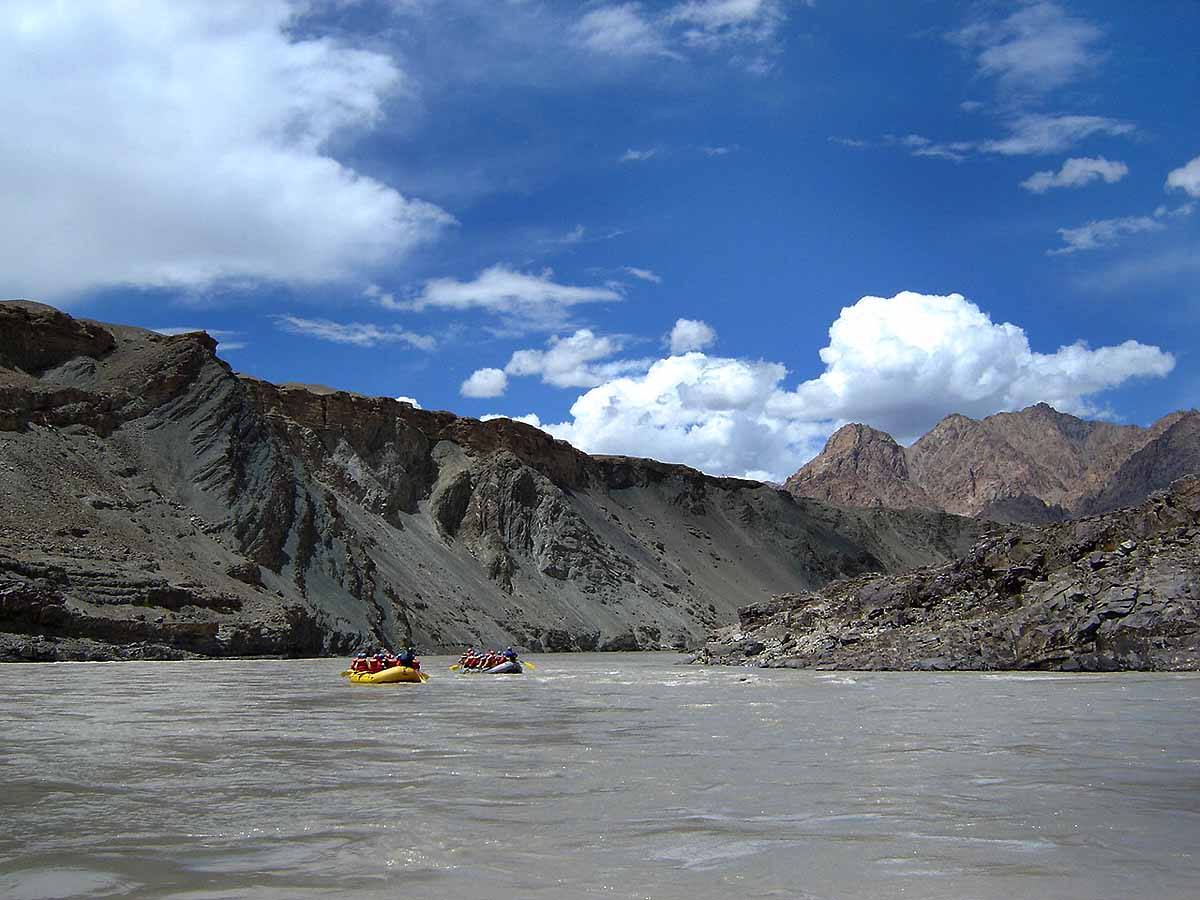
Rafting is an outdoor activity in which people navigate moving water in an inflatable boat. It ranges from calm, scenic floats to high-adrenaline descents through turbulent whitewater. Rafting is usually done in teams and often guided by an experienced leader; teamwork, navigation, and quick decision-making are central to a safe and enjoyable run. See general information about the activity at rafting resources.
Image gallery
10 Images



Equipment and craft
Rafts are typically made of reinforced rubberized fabric or similar durable materials and come in several designs: self-bailing rafts for whitewater, inflatable kayaks for one or two paddlers, and larger touring rafts for multi-day trips. Typical gear includes:
- personal flotation device (PFD) and helmet;
- paddle or oar systems; many rafts use paddles for each person while guided rafts may use oars held by a single guide;
- wet or dry suits in cold water, throw bags, rescue ropes, and first-aid kits;
- repair kits and appropriate footwear.
Rapids, classification, and route selection
Rivers and other running waters are often graded by difficulty to help paddlers match their skills to conditions. These classifications identify the technical difficulty, required maneuvering, and potential danger. Guides and outfitters assess flow, obstacles, and seasonal conditions when choosing routes; conditions can change rapidly with weather and dam releases.
History and development
Using rafts and boats on rivers is ancient, but the modern sport of whitewater rafting developed in the 20th century as rubber and synthetic materials improved inflatable technology and safety equipment. Over time commercial guiding, instructional schools, and standardized safety practices emerged, making the sport more accessible.
Safety, training and environmental considerations
Rafting involves inherent risks: capsizes, entrapment, hypothermia and collisions with rocks are possible. Training in paddling technique, rescue procedures, and reading water is essential. Outfitters follow briefing routines and often require swimmers to wear PFDs. Responsible trip planning also respects river ecosystems and local regulations to reduce erosion, pollution, and disturbance of wildlife. For river conditions and official resources see river information.
Recreation and competition
Most participants raft for recreation—day trips, multi-day expeditions, or family outings—while others pursue competitive disciplines such as whitewater racing, slalom, and downriver time trials. Events and guided programs help newcomers build skills, while experienced paddlers seek increasingly challenging runs. Whether recreational or competitive, rafting combines physical skill, river knowledge, and careful risk management.
Related articles
Author
AlegsaOnline.com Rafting: sport, craft, risks, and recreation Leandro Alegsa
URL: https://en.alegsaonline.com/art/80828
Sources
- doi.org : doi.org/10.1080/14729670701349624
- internationalrafting.com : internationalrafting.com/
- whitewaterrafting.com : whitewaterrafting.com/rafting-info/history
- raftmw.com : raftmw.com/river-safety-rescue-the-safety-talk/