
Raceland, Kentucky: overview, history, and local features
Raceland is a small home rule-class city in Greenup County in northeastern Kentucky, United States, known for its residential character, local services, and historical ties to rail and racing activities.
Overview
Raceland is a home rule‑class city in northeastern Kentucky, in the United States. It is a small, primarily residential community within the Ohio River valley region and is part of the broader urban and economic area that includes nearby towns and cities. The city is governed under Kentucky’s municipal framework and offers local services typical of small cities, such as municipal administration, public works, and community facilities.
Image gallery
1 Image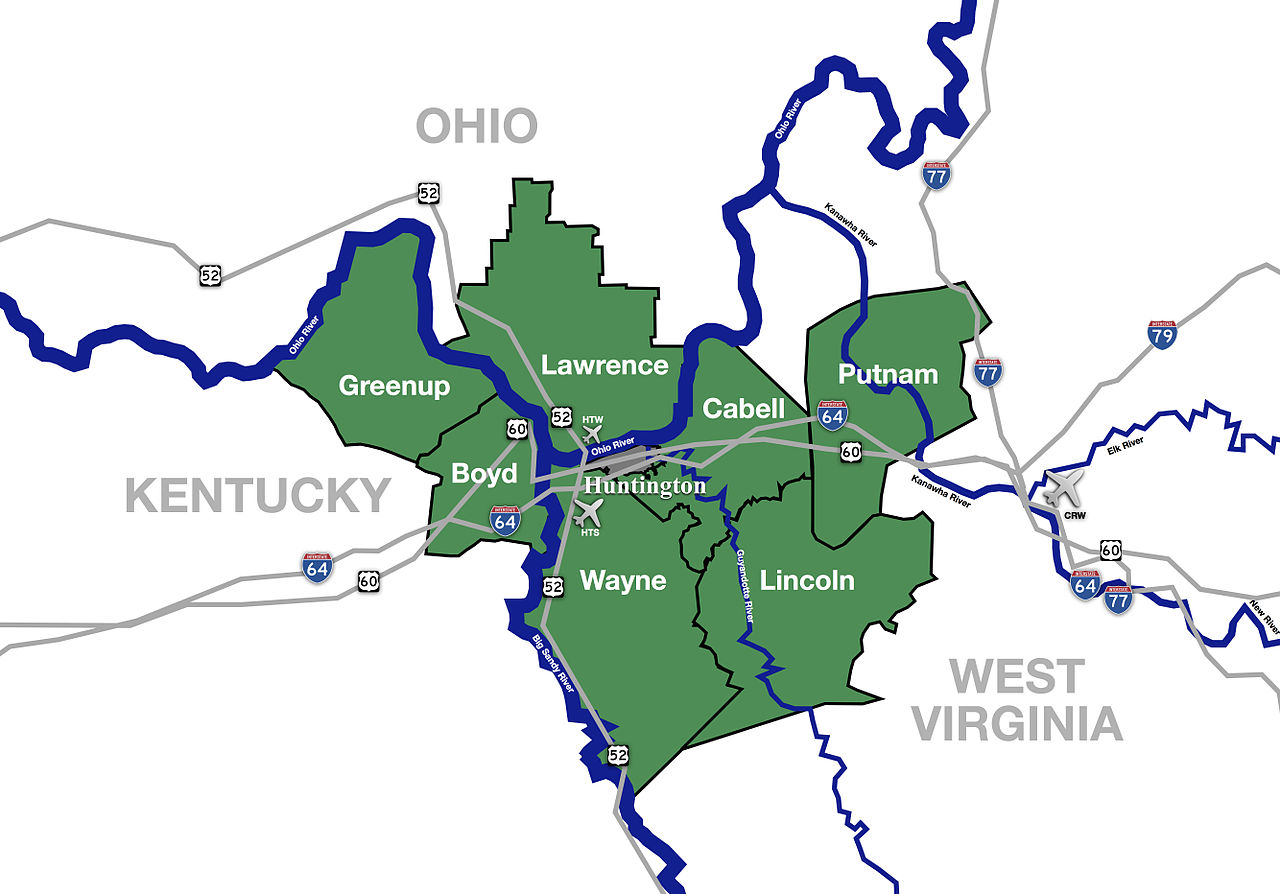
Geography and transportation
Raceland lies in a landscape shaped by the Ohio River and the transportation corridors that follow it. The community is accessible by regional roads and lies near railroad lines that have historically provided freight and passenger connections. Its location places residents within commuting distance of larger employment centers in northeastern Kentucky and the neighboring states.
History and name
The community grew in the era when rail and river transport influenced settlement patterns in the region. Its name reflects a local association with racing activity: early racetracks and equestrian events in the area contributed to the choice of name, and the legacy of those activities remains part of local identity. Over time Raceland transitioned into a residential and service center for surrounding rural and suburban neighborhoods.
Economy and community life
Raceland’s economy is typical of small Kentucky cities, combining local retail and service businesses with residents who work in nearby industrial, commercial, and regional health and education centers. Community life centers on local schools, churches, volunteer organizations, and recreational opportunities. Public amenities and small parks provide gathering spaces, and local events reflect the traditions of northeastern Kentucky.
Notable aspects and distinctions
- Small-city governance under Kentucky’s home rule classification.
- Historical connections to rail transport and regional racing activities.
- Proximity to the Ohio River corridor and larger urban centers in the region.
For more detailed municipal or historical information, local government offices and regional archives provide primary sources and records. General summaries and current data about Raceland can be found through local government pages and regional planning organizations.
Related articles
Author
AlegsaOnline.com Raceland, Kentucky: overview, history, and local features Leandro Alegsa
URL: https://en.alegsaonline.com/art/80686