
Babusar Pass
High mountain pass (4,170 m) in northern Pakistan linking Kaghan Valley with Gilgit-Baltistan; scenic viewpoint, seasonal road, historic trading route and subject of road-improvement projects.
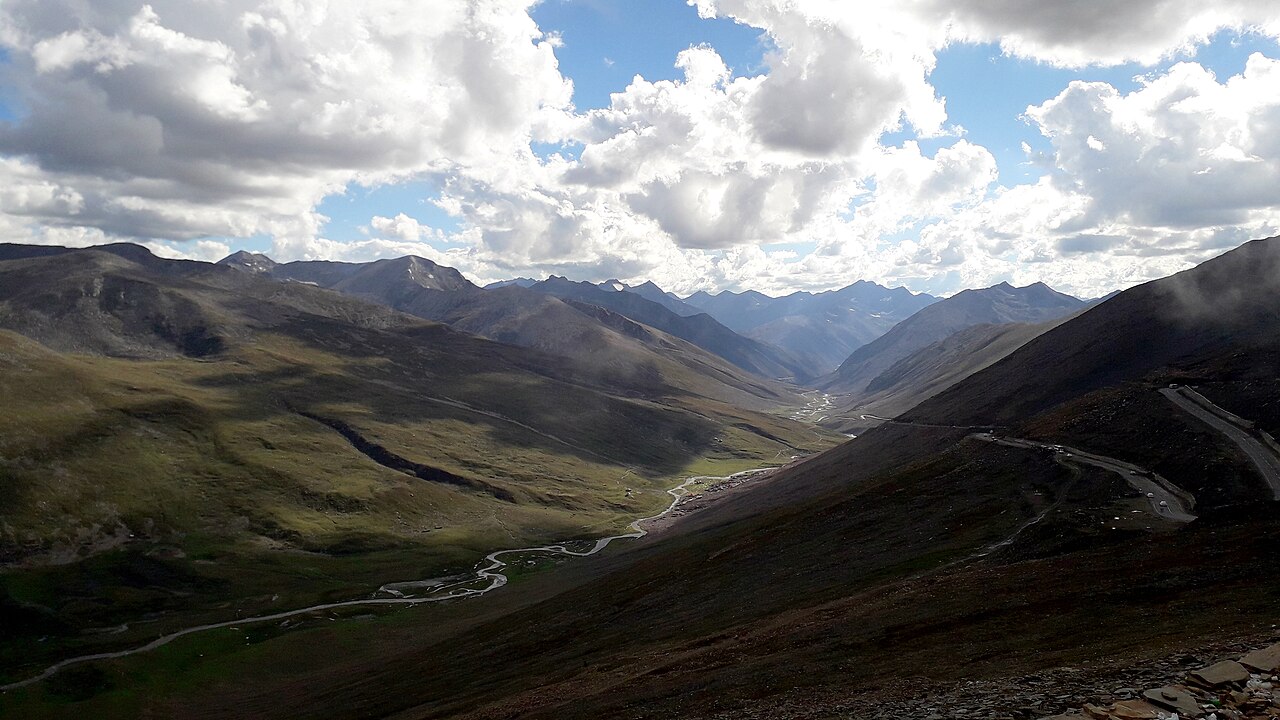
Babusar Pass, often called Babusar Top, is a high mountain pass in northern Pakistan at approximately 4,170 metres (13,690 ft) above sea level. It lies at the upper end of the Kaghan Valley and forms a natural link between that valley and the upper Indus valley around Chilas, providing a route toward Gilgit and the wider Gilgit–Baltistan region. The pass sits on a ridge of the western Himalaya–Karakoram transition and is famed for wide panoramic views of surrounding peaks and alpine lakes.
Image gallery
8 Images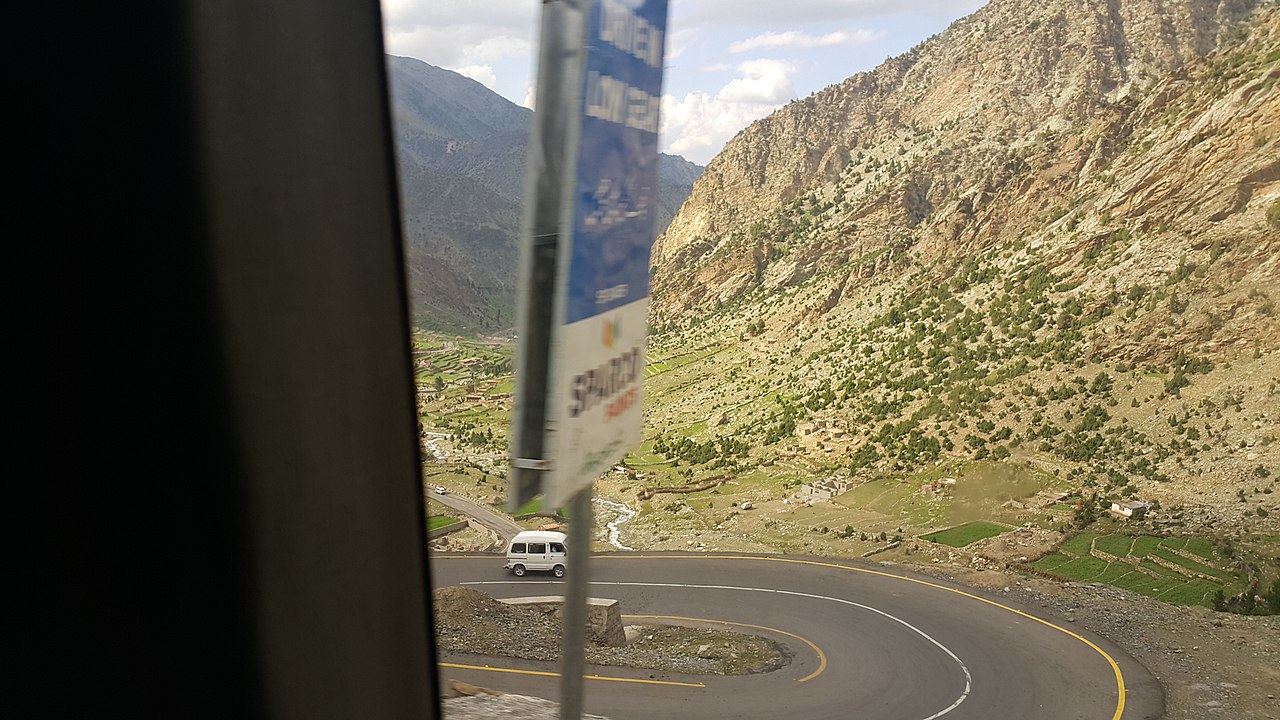



Geography and characteristics
The terrain around Babusar Pass is typical high-altitude alpine: rocky slopes, scree fields and seasonal meadows. On clear days distant peaks including parts of the Nanga Parbat massif can be visible. Nearby high-elevation lakes and tarns such as Lulusar and Dudipatsar are part of the broader Kaghan landscape. The pass itself is the highest point of the traditional Kaghan–Chilas roadway and rises above the tree line, so weather is exposed and changes rapidly.
History and transport
Before construction of the Karakoram Highway and modern all-weather routes, the Babusar route was an important overland connection between central areas of what is now Pakistan and the highlands of Gilgit–Baltistan. Seasonal mule tracks and later a motor road were used for trade and travel. More recently a scheme known as the Mansehra–Naran–Jalkhad–Chilas (MNJC) road has been proposed and partially developed to shorten the distance between Mansehra and Chilas by roughly 145 km; work on improvements has aimed to reduce travel time and open the corridor for longer seasons, though high-elevation closures remain common.
Visiting and practical information
The pass is usually accessible only in the warmer months; heavy winter snow closes the road for several months each year. Typical visiting season runs from late spring through early autumn, with peak tourist months in July and August when meadows bloom. Travelers should allow time to acclimatize to altitude and carry warm clothing, basic emergency gear and fuel for vehicles. Local guesthouses and small roadside facilities exist in valley towns, but services near the pass are limited.
Importance and notable facts
- Babusar Top is a prominent scenic viewpoint and a common photography spot for visitors to the Kaghan Valley.
- The route has historical significance as a pre-modern link to northern territories before larger highways were built.
- High altitude, unpredictable weather and ecological sensitivity mean visitors are advised to minimize impact and follow local guidance.
For travelers and researchers alike, Babusar Pass remains an accessible example of Pakistan’s high-mountain landscapes: geographically striking, seasonally transient and tied closely to the transport history of the region.
Related articles
Author
AlegsaOnline.com Babusar Pass Leandro Alegsa
URL: https://en.alegsaonline.com/art/8045