
Ngo Dinh Diem (Ngô Đình Diệm), first President of South Vietnam
Ngo Dinh Diem (1901–1963) led the Republic of Vietnam from 1955 until his overthrow in 1963. An anti-communist Catholic leader, his rule was marked by authoritarianism, U.S. backing, and the Buddhist crisis.
Overview
Ngô Đình Diệm (3 January 1901 – 2 November 1963) was the first president of the Republic of Vietnam, commonly called South Vietnam. He emerged after the end of French colonial rule as an anti-communist political figure who rejected reunification elections in 1956 and consolidated power in the south. Diệm remains a controversial figure: credited with resisting communist expansion but criticized for authoritarian methods and sectarian policies.
Image gallery
10 Images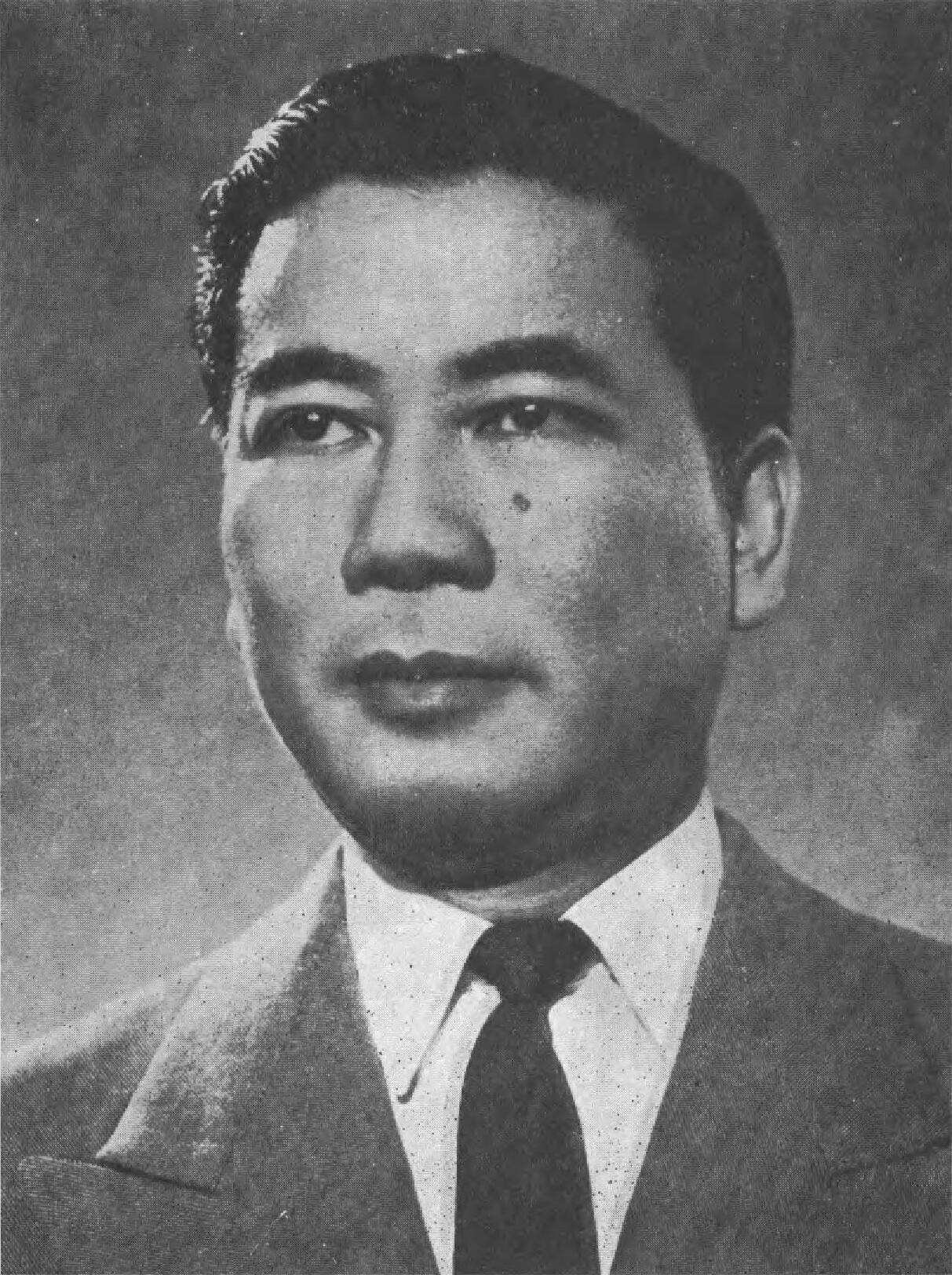





Early life and rise to power
Born into a prominent Catholic family in central Vietnam, Diệm served in administrative roles during the French colonial period and later returned from exile to enter politics. After the 1954 Geneva Accords divided Vietnam, the incumbent chief of state, Bảo Đại, appointed Diệm as prime minister. In 1955 Diệm engineered a referendum that removed Bảo Đại and established the Republic of Vietnam with himself as president.
Governance and policies
Diệm’s government pursued strong anti-communist policies and relied on support from the United States. He emphasized centralized rule, strict control of the press, and suppression of perceived subversion. His administration favored Catholics in public appointments, military promotions, and development programs, and it promoted family members to key positions—most visibly his brother Ngô Đình Nhu and Nhu’s wife, often called the “First Lady” of the regime.
Repression, programs, and opposition
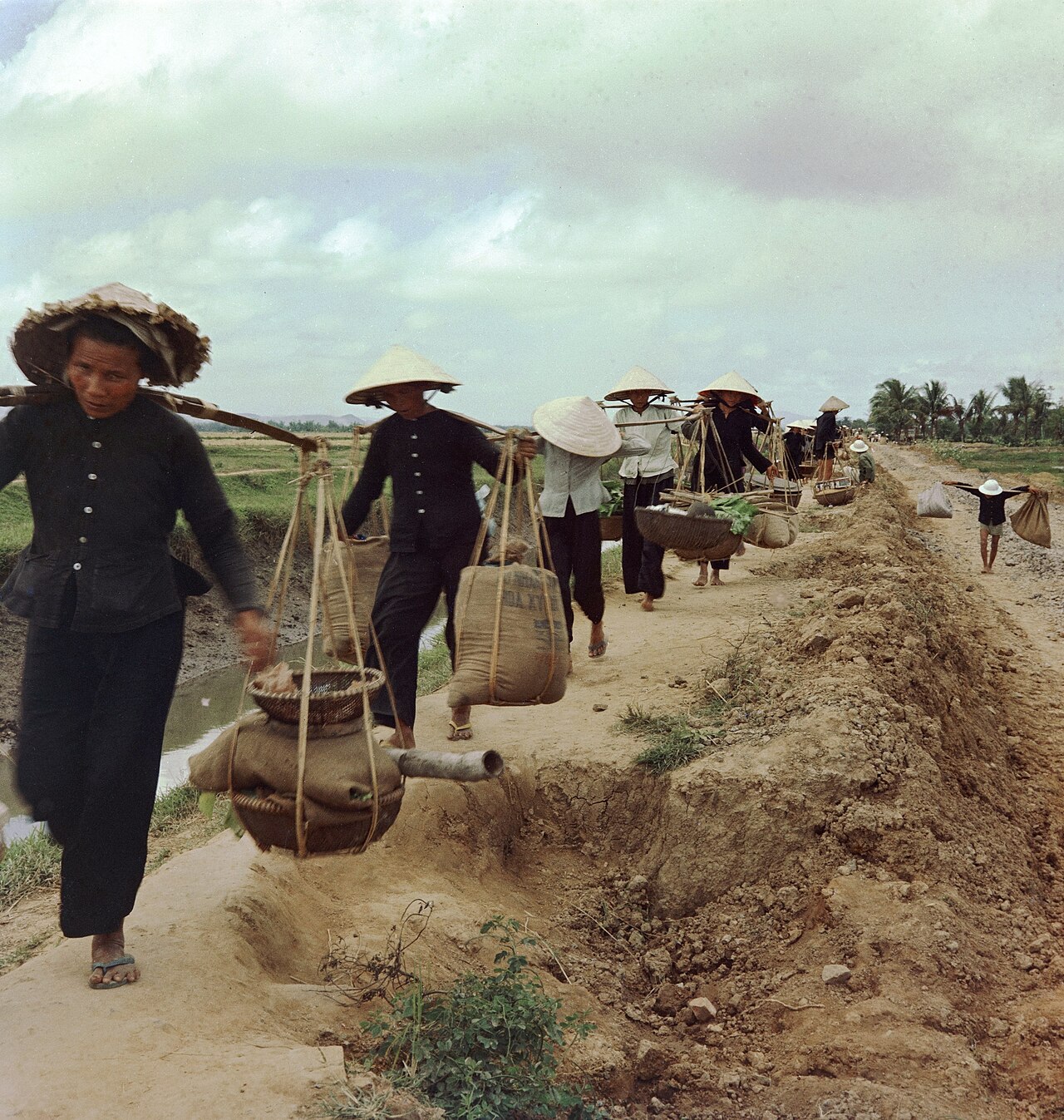
To counter the Việt Cộng insurgency, Diệm and his advisers implemented measures such as the Strategic Hamlet Program, intended to isolate guerrillas from rural populations. Land and social programs were limited in effectiveness. Political dissent was met with police action and detention, fueling popular discontent in some regions and among religious communities.
Buddhist crisis and overthrow
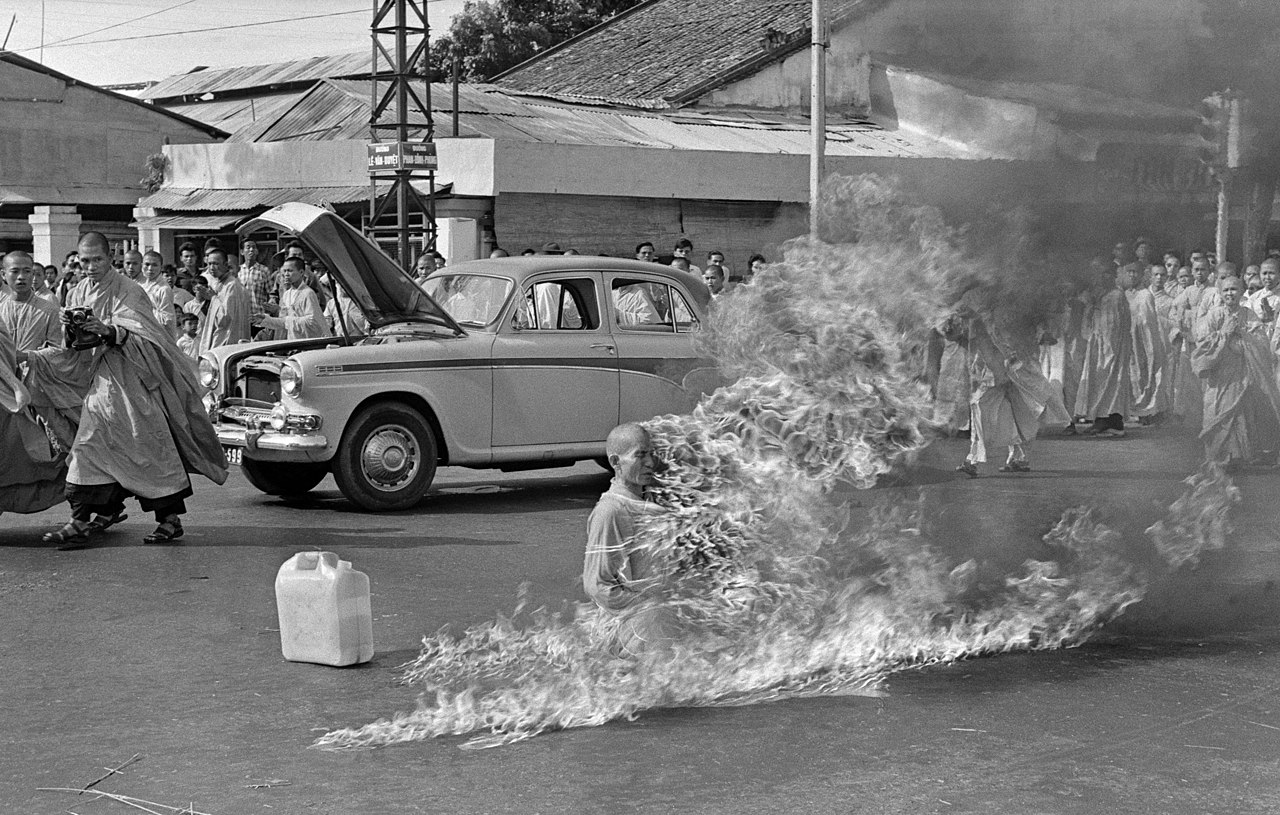
Tensions between the Catholic-dominated government and the Buddhist majority escalated in 1963 into what is widely called the Buddhist crisis. Widespread protests, some dramatic acts of self-sacrifice by monks, and increasing violence against demonstrators created a political emergency. Relations with Washington deteriorated; by November 1963, elements of the South Vietnamese military staged a coup. Diệm and his brother were captured and killed during that coup, ending his eight-year rule.
Legacy and significance
Diệm’s tenure is studied as a pivotal moment in the Cold War struggle in Southeast Asia. Supporters argue he provided a bulwark against communist takeover; critics point to sectarian bias, nepotism, and repression that alienated large segments of the population and weakened the South Vietnamese state. His removal deepened political instability, contributing to a period of military rule and further U.S. involvement in Vietnam.
Key facts
- Born: 1901; Died: 1963 during a military coup.
- President of the Republic of Vietnam (South Vietnam) from 1955 to 1963.
- Notable issues: Catholic favoritism, anti-communism, Strategic Hamlet Program, Buddhist crisis.
Author
AlegsaOnline.com Ngo Dinh Diem (Ngô Đình Diệm), first President of South Vietnam Leandro Alegsa
URL: https://en.alegsaonline.com/art/127541