
Psychopathology: study of mental disorders, methods, history and applications
Psychopathology examines the nature, causes, presentation and classification of mental disorders, combining clinical description, assessment methods, history and applications in diagnosis, treatment and research.
Overview
Psychopathology is the scientific study of mental disorders, their symptoms, development, and effects on thinking, emotion and behaviour. It spans clinical description, explanatory theories and practical assessment. The field informs diagnosis, treatment planning and research into causes and outcomes of psychological disturbance. For general information about clinical diagnoses see mental disorders.
Image gallery
2 Images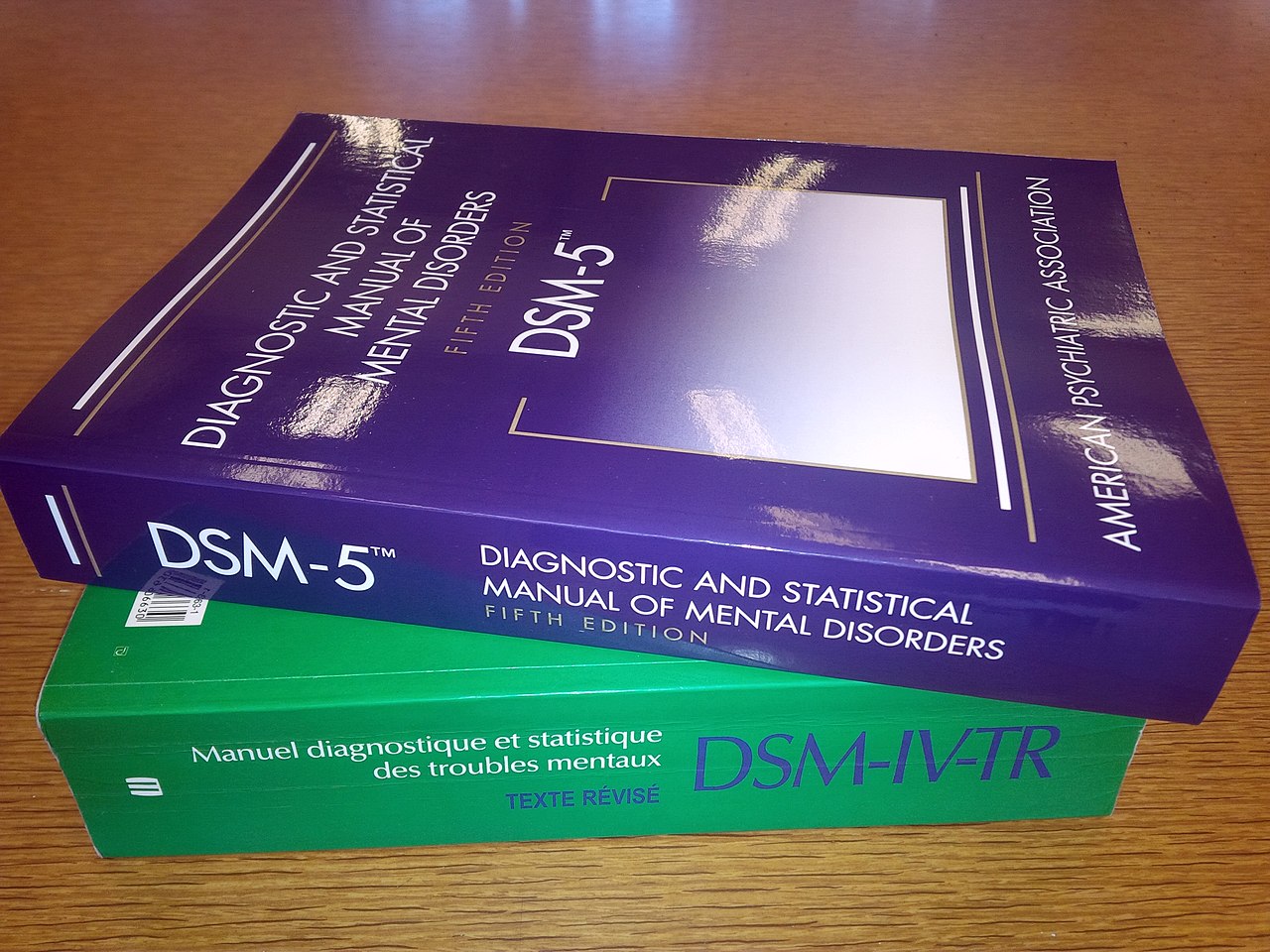

Core concepts and features
Psychopathology distinguishes observable signs from subjective symptoms, and considers onset, course and severity. Common categories include mood disorders, anxiety disorders, psychotic disorders, personality disorders and cognitive disorders. Assessment often integrates clinical interviews, standardized rating scales, behavioural observation and, where relevant, biological measures such as neuroimaging or psychophysiology.
History and development
Modern psychopathology draws on many intellectual traditions. Its systematic, phenomenological approach was shaped in the early 20th century by thinkers such as Karl Jaspers, whose 1913 work is regarded as foundational for descriptive psychopathology. Other contributors include clinicians and researchers who developed diagnostic classification systems and competing models from biological, psychological and social perspectives.
Methods and practice
- Clinical interview and mental status examination
- Structured diagnostic interviews and checklists
- Psychological testing and behavioural assessment
- Biological and neurocognitive measures in research
Applications and significance
Psychopathology underpins psychiatric diagnosis, guides psychotherapy and pharmacological treatment, and supports epidemiological and etiological research. It is important in forensic evaluation, disability assessment and public mental health planning. Awareness of cultural context and the risk of stigma is central to responsible assessment and communication.
Distinctions and notable facts
Psychopathology is related to, but distinct from, abnormal psychology and clinical psychiatry: it emphasizes systematic description and explanation of mental disorder phenomena. The field continually reconciles subjective clinical accounts with objective research findings and evolving diagnostic frameworks. For historical and theoretical perspectives see writings by figures such as Karl Jaspers.
Related articles
Author
AlegsaOnline.com Psychopathology: study of mental disorders, methods, history and applications Leandro Alegsa
URL: https://en.alegsaonline.com/art/79869