
Province of Pavia: geography, history, economy and cultural highlights
Overview of the Province of Pavia in Lombardy, Italy: geography, towns, history, economy, notable sites such as the University of Pavia, Certosa and the Oltrepò Pavese wine area.
The Province of Pavia lies in the southern part of the Lombardy region of northern Italy. It surrounds the city of Pavia, the provincial capital, and stretches from the broad Po Valley southward into the lower Apennine foothills. The area combines fertile plains, important rivers and hilly vineyards, and it plays a distinctive role within Lombardy's agricultural and cultural landscape. For a regional perspective see Lombardy and broader context in Italy.
Image gallery
10 Images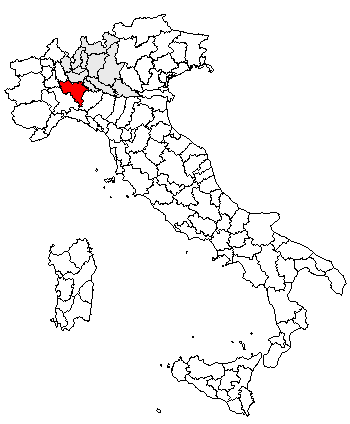


Geography and landscape
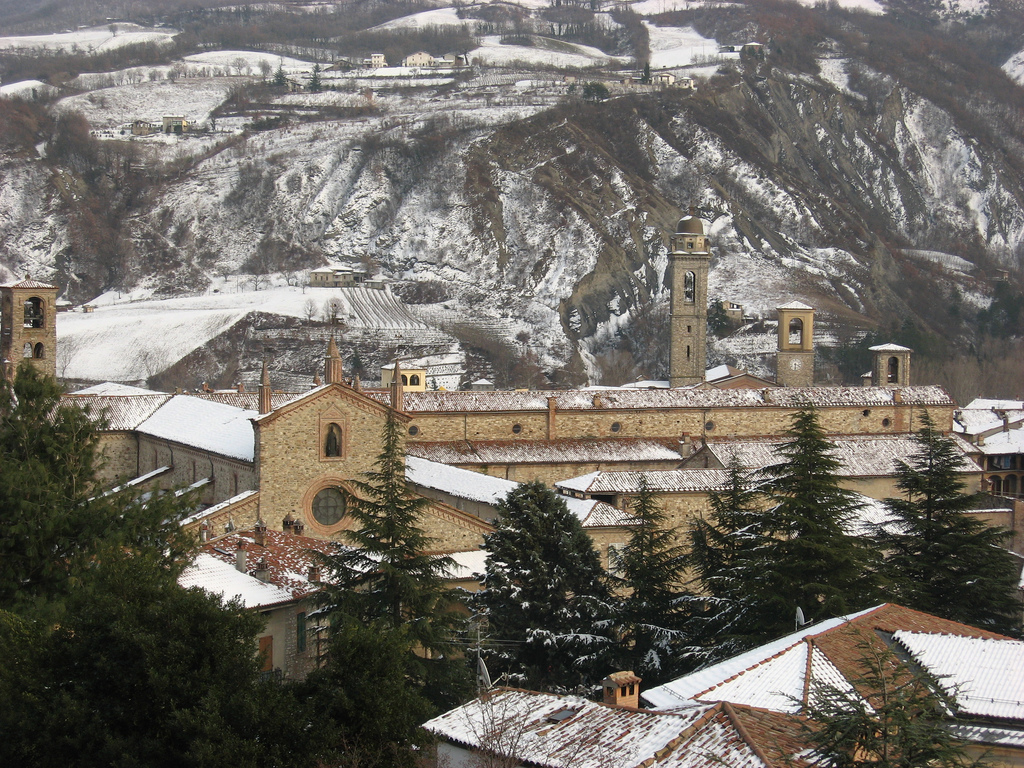
The province is crossed by major waterways, notably the Ticino and the Po rivers, whose floodplain supports intensive cultivation. The northern and central parts are low-lying and largely agricultural, while the southern zone, known as the Oltrepò Pavese, consists of rolling hills that rise toward the Apennines and are famous for vineyards. Protected natural areas and river parks conserve wetland habitats and riverine woodlands.
History and cultural legacy
Pavia city has deep historic roots: it was an important Roman settlement and later became a political center in the early Middle Ages. It served as a Lombard capital and retains medieval and Renaissance architecture. Intellectual life has been shaped by the University of Pavia, a long-established seat of higher learning that attracts students and researchers from Italy and beyond. Religious houses and monasteries, including the notable Certosa, reflect the province's artistic heritage.
Economy, agriculture and wine
Agriculture remains prominent: the flatlands are given over to cereal production and rice cultivation in local districts, while fruit and market gardening are common near towns. The Oltrepò Pavese hills are among Lombardy's principal wine-producing areas, with a reputation for red and sparkling wines. Industry and services are concentrated around urban centers, and a local food culture draws on rice dishes, cured meats and regional wines.
Transport, administration and main towns
Well connected by road and rail to Milan and other northern cities, the province serves as both a commuter belt and a crossroads for regional trade. Administratively it comprises many comuni (municipalities) with Pavia as the capital. Other notable towns include:
- Pavia – the historic capital with bridges, churches and university buildings
- Vigevano – known for its Renaissance piazza and castle
- Voghera – a commercial and transport centre in the south
- Mortara and Stradella – centers linked to rice plains and wine country
Tourism and notable sites
Visitors come for architectural landmarks such as monastic complexes and medieval bridges, the university's historic precincts, and wine routes across the Oltrepò. Outdoor recreation along river parks and gentle hill trails complements cultural tourism. Key attractions frequently mentioned by guidebooks include the Certosa of Pavia, the Ponte Coperto in Pavia, and the rolling vineyards that produce many of Lombardy's local wines.
Related articles
Author
AlegsaOnline.com Province of Pavia: geography, history, economy and cultural highlights Leandro Alegsa
URL: https://en.alegsaonline.com/art/79672