
Province of Foggia (Apulia, Italy)
Province in northern Apulia, southern Italy, noted for the Gargano promontory, the Tavoliere plain, agriculture, historic towns and coastal tourism.
Overview
The Province of Foggia is an administrative area in southern Italy, located in the northern part of the region commonly known as Apulia. Its capital is the city of Foggia, which gives the province its name. The territory combines coastal stretches along the Adriatic Sea with broad interior plains and low mountain ranges, creating a variety of landscapes, economies and cultural traditions.
Image gallery
4 Images


Geography and natural features
Foggia includes several distinct geographic zones. The Gargano promontory is a wooded, rocky peninsula and national park on the coast, prized for beaches, cliffs and biodiversity. The Tavoliere delle Puglie is a wide agricultural plain famed for grains and horticulture. To the west are the Daunian mountains (Monti Dauni), with rolling hills and pastoral land.
History and development
The area has ancient roots, with pre-Roman and medieval settlements shaping its towns and countryside. Over centuries the province was influenced by various powers and developed as an agricultural heartland. Urban centers like the city of Foggia and coastal ports played roles in regional trade, while inland villages preserved local crafts and rural customs.
Economy, agriculture and culture
Agriculture has long been central: wheat, olives, vineyards and vegetable cultivation are widespread, and pastoral farming remains important. Fishing and maritime activities support some coastal communities. Tourism, particularly pilgrimage and nature tourism to sites such as the Gargano and religious shrines, contributes to the local economy. Cultural life blends folk traditions, cuisine, religious festivals and local markets.
Notable towns and points of interest
- Foggia — the provincial capital, a regional service and transport center.
- Manfredonia and Vieste — coastal towns known for harbors and seaside tourism.
- San Giovanni Rotondo — a major pilgrimage destination with modern religious significance.
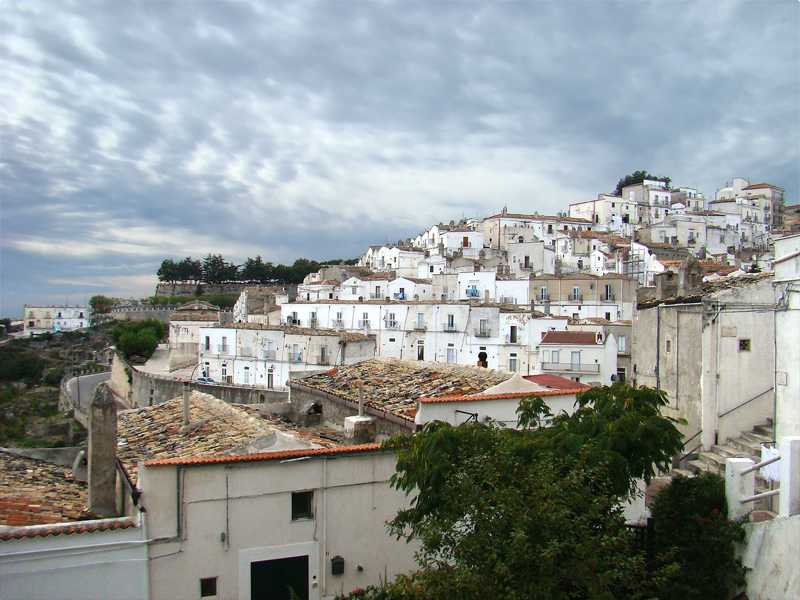
- Monti Dauni and rural villages — examples of inland landscapes and traditional life.
Distinctive facts
The province stands out for combining a large fertile plain with protected coastal wilderness. Its contrasts — between intensive agriculture on the Tavoliere and the wild shores of the Gargano — shape local identity. Visitors and scholars interested in southern Italian rural economies, religious pilgrimage or Adriatic landscapes find Foggia a region of particular interest within Apulia.
Related articles
Author
AlegsaOnline.com Province of Foggia (Apulia, Italy) Leandro Alegsa
URL: https://en.alegsaonline.com/art/79623