
Prouvais — a rural commune in the Aisne department of northern France
Prouvais is a small rural commune in the Aisne department of northern France, historically part of Picardy and now within Hauts-de-France. The article outlines its geography, governance, history and local features.
Overview
Prouvais is a French commune located in the Aisne department in the north of France. Historically it belonged to the Picardie (Picardy) region and today lies within the administrative region of Hauts-de-France. As with many French communes, Prouvais functions as the lowest level of local government and typically contains a village centre surrounded by agricultural land and hamlets.
Image gallery
2 Images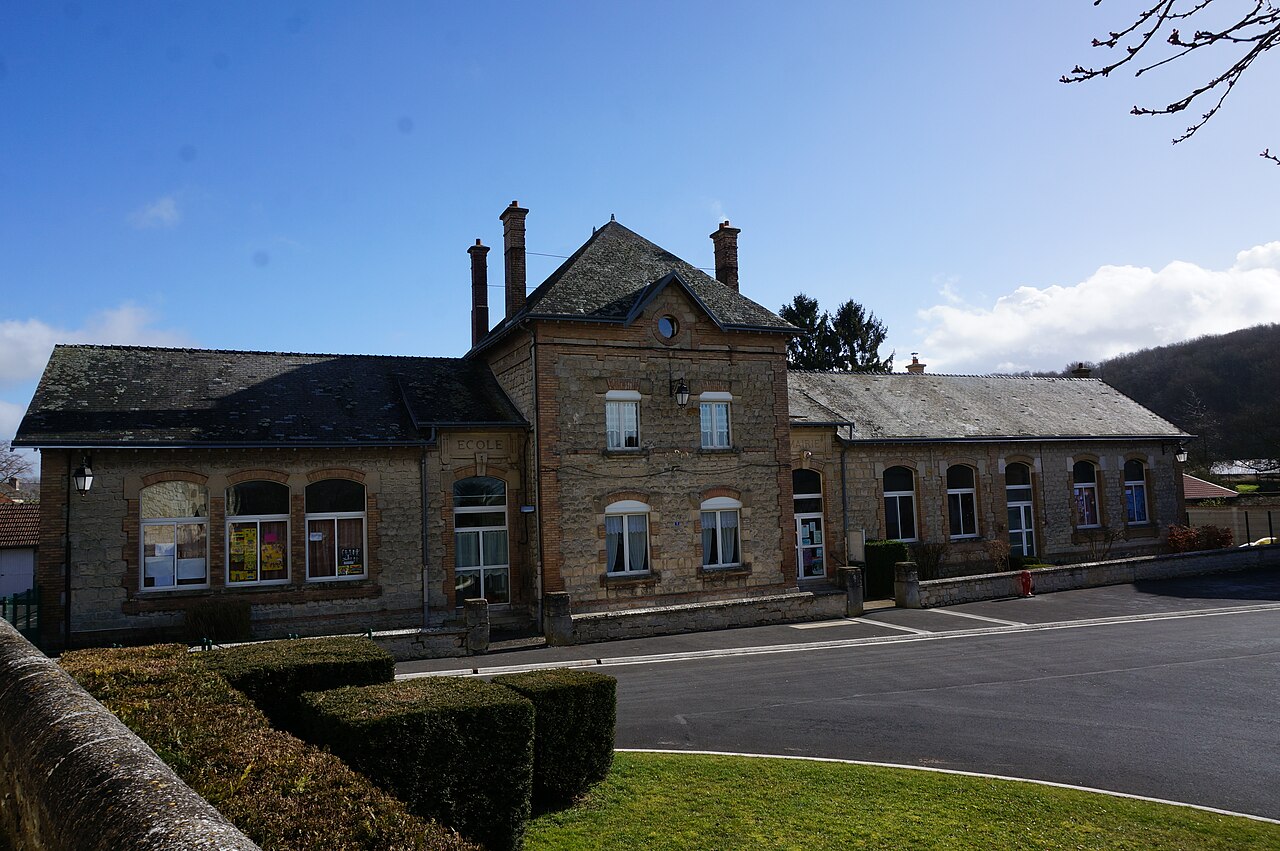

Geography and administration
The commune sits in the northern French countryside characterized by farmland, hedgerows and small woodlands. It is administered under the national system of communes and departments: the commune itself manages local affairs while the department (Aisne) provides wider services. For more information on local administration see the commune entry at Prouvais official or informational page and the Aisne department page at Aisne department. The historical region of Picardy is described at Picardie, while regional resources are available through the Hauts-de-France portal at Hauts-de-France.
Characteristics
- Rural settlement pattern with a village core and surrounding farmland.
- Local governance led by a municipal council and mayor under French law.
- Community amenities typically include a town hall, a parish church or chapel, and communal services shared with nearby communes.
History and development
Prouvais shares the broad historical narrative of northern French villages: agricultural roots, adaptation through rural reforms, and the impact of national events. While specific archival details vary by commune, villages in the Aisne area often retain traces of long-term habitation, local traditions and periodic rebuilding after conflicts that affected the region. For administrative or historical resources consult regional references such as departmental archives and guides.
Local life, economy and points of interest
The local economy is generally oriented toward agriculture, small-scale trades and services that support residents. Community life centers on municipal events, rural festivals and shared facilities with neighbouring communes. Points of interest are usually modest: traditional village architecture, a church, war memorials and the surrounding countryside that attracts walkers and those interested in rural heritage. Practical information and visitor guidance may be found through regional tourism or municipal resources linked above.
Related articles
Author
AlegsaOnline.com Prouvais — a rural commune in the Aisne department of northern France Leandro Alegsa
URL: https://en.alegsaonline.com/art/79556