
Princess of Wales (title held by the wife of the heir apparent)
Royal courtesy title in the United Kingdom traditionally held by the wife of the Prince of Wales; covers its role, history, styling, notable holders and distinctions.
The Princess of Wales is a traditional British royal title most commonly granted to the wife of the Prince of Wales, the heir apparent to the throne. The designation has existed since the late 13th century and carries mainly ceremonial and social significance rather than independent legal power. The title is widely associated with public representation of the monarchy, patronage of charities and a visible role in national events. For background on the Welsh language form sometimes used, see Welsh name.
Image gallery
10 Images


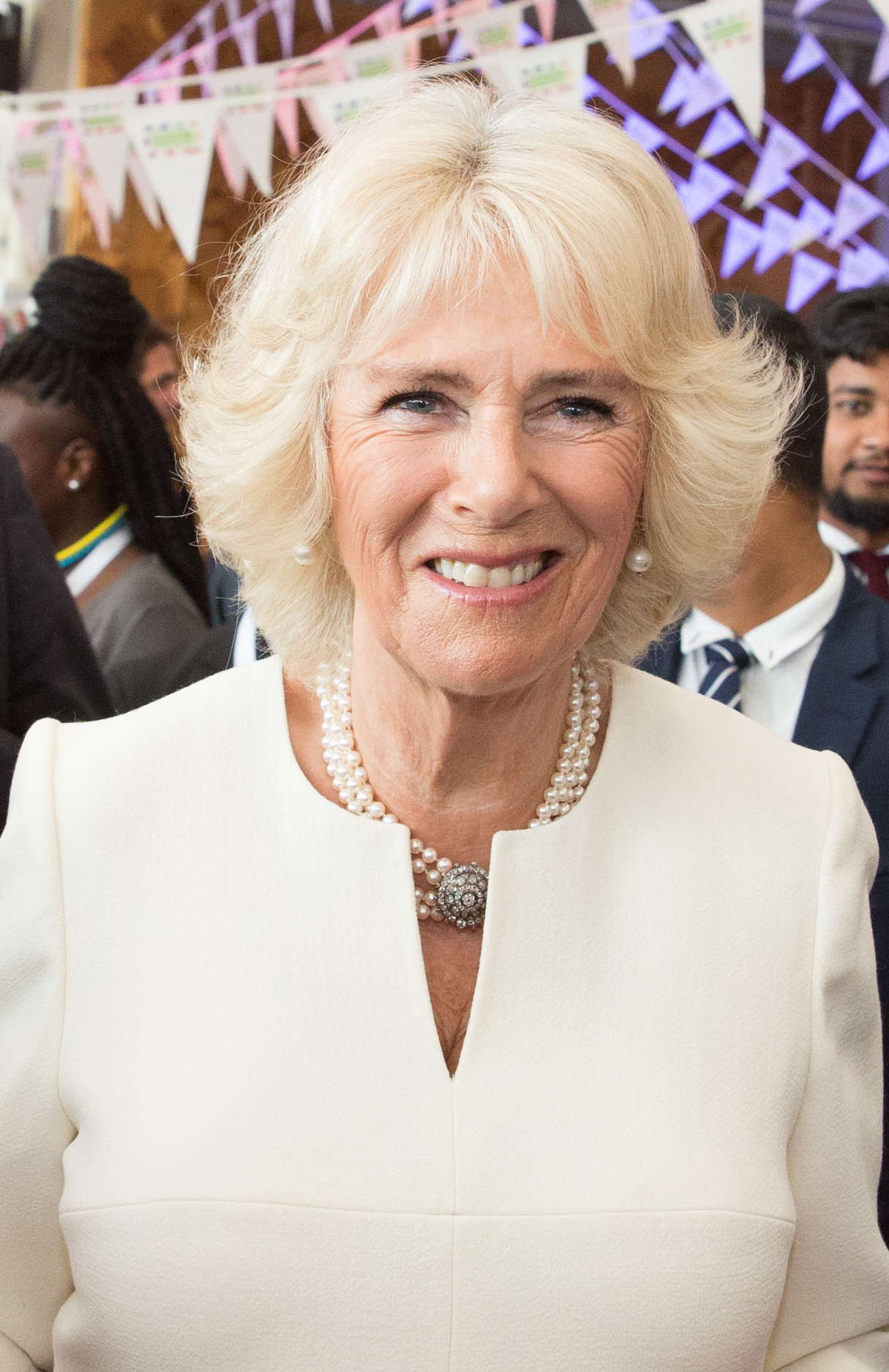

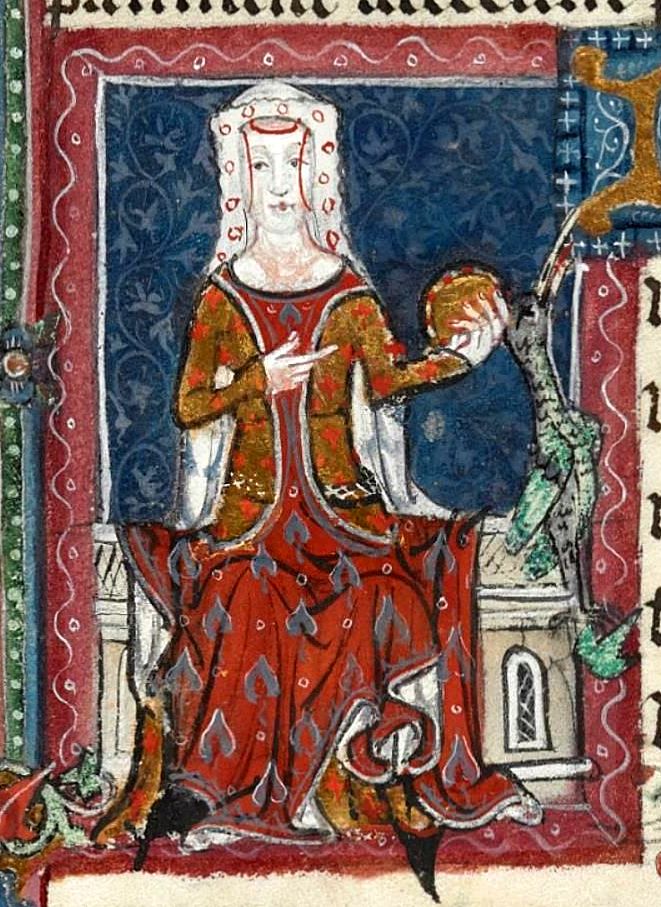
Role and style
As a courtesy title, Princess of Wales is ordinarily used by the spouse of the Prince of Wales while he remains heir apparent. Holders are typically styled Her Royal Highness The Princess of Wales and use the title in formal engagements and official documents. The title is not a peerage in the way dukedoms or earldoms are; it denotes rank and precedence within the royal family rather than legislative privilege. For a general explanation of royal titles and their use, consult royal title guidance and material about the United Kingdom monarchy.
History and development
The creation of a distinct title for the heir to the English and later British throne dates to the medieval period. It became customary to confer the principality and the style of Prince of Wales on the monarch's eldest son or designated heir, and, by extension, his wife would be known as Princess of Wales. Over centuries the title accumulated symbolic links to Welsh identity and to the heir's public role, though it has been adapted to changing conventions of monarchy. See historical outlines at Prince of Wales.
Notable holders and modern practice
Famous recent holders include the late Diana, Princess of Wales, whose public profile reshaped expectations for the role, and the present holder, Catherine, Princess of Wales, the spouse of William, Prince of Wales. Some women who were legally entitled to the style did not use it publicly: for example, Camilla was entitled to be called Princess of Wales during her husband's earlier title-holding but adopted the style Duchess of Cornwall until later changes in royal usage. For brief biographies and contemporary details, see entries for historic princes, Catherine and William.
Characteristics, limitations and distinctions
- The title is normally conferred by creation of the Prince of Wales and is thus a courtesy applied to his spouse rather than a substantive peerage.
- There have been relatively few Princesses of Wales in history compared with the number of male heirs, partly because some heirs married after accession or died unmarried; historically the list of ten notable holders is often cited in summaries of the office.
- The female equivalent for an heir apparent is different: a female heir would not become Princess of Wales in the same automatic way, and the husband of a reigning princess does not automatically take the title Prince of Wales.
- Holders typically undertake patronages, overseas visits and charitable work; their public role can vary widely depending on personal choice and the decisions of the reigning monarch.
For contextual reading about changes in title usage and modern precedent, follow reference notes on royal styles and recent practice at royal styles and public reporting at contemporary coverage. The Princess of Wales remains one of the better-known courtesy titles in the British monarchy, combining historical tradition with a highly visible public role.
Author
AlegsaOnline.com Princess of Wales (title held by the wife of the heir apparent) Leandro Alegsa
URL: https://en.alegsaonline.com/art/79208